
Why we should seriously consider raising the digital age of consent from 13 to 16 - Katie White
In recent months, I’ve received an avalanche of letters and emails about smartphones and social media in schools. Families and schools in my constituency, Leeds North West, are doing their very best, but many tell me they feel overwhelmed and that they can’t tackle this alone.
At nearly every school visit, I hear the same concerns: social media fallouts spilling into the classroom, addictive apps eating into sleep, and children exposed to harmful content that no filter seems to catch. One teacher described phones as a constant presence - out of sight during lessons, but always in pupils’ minds.
According to NHS England, one in five children aged 8 to 16 had a probable mental health disorder in 2023. Among 17 to 19-year-olds, it’s more than one in four. Phones aren’t the only cause, but the link between social media and anxiety is becoming harder to ignore.
Every parent of teenagers knows the scene: their child's glazed eyes endlessly scrolling, the notifications at 3am. Parents are trying their best, but they’re often outpaced by increasingly addictive technology. Many of us recognise this behaviour in ourselves, we’re not immune either. But children's brains are still developing, making them even more vulnerable.
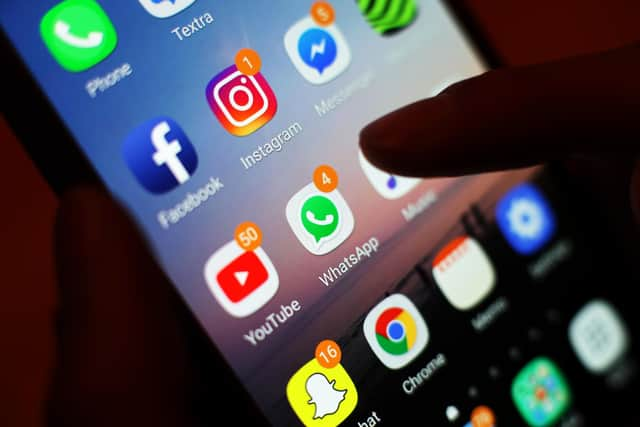

Some local parents told me their children developed anxiety after hours of viewing seemingly ‘positive’ content. Others showed me adverts for anti-ageing skincare targeted at ten-year-olds. Teachers say they see more children starting school with delayed motor skills, reduced focus, and underdeveloped communication. The Education Committee recently reported a 52 per cent increase in children’s screen time between 2020 and 2022 and found that nearly 25 per cent of young people use their smartphones in ways consistent with behavioural addiction.
But there is cause for optimism. Schools across Leeds North West are stepping up, and Benton Park is a great example. They introduced a phone-free policy during the school day, and the impact was immediate: students became more social, joined more clubs, and started 'playing out' again. I'm now speaking to schools across the constituency about developing a voluntary code to support more phone-free school days.
Still, they can’t solve this alone.
Crucially, this isn’t about blaming parents, teachers or children. I recently met the creative team behind Netflix’s Adolescence in Parliament, and we agreed that no one is really at fault. Technology has moved fast and society hasn’t kept up.
One of the writers, who had worked as a teaching assistant, said he deliberately avoided finger-pointing with the series. The show’s strength lies in its honest portrayal of parents doing their best and still feeling powerless. Many viewers saw themselves in those characters. Adolescence went to number one on Netflix in 90 countries, proof this concern is shared everywhere.
That’s why I was proud to support Josh MacAlister MP’s Safer Phones Bill. It shone a national spotlight on this issue. Now we need to build on that.
The government has asked Sir Chris Whitty to review the evidence. I welcome that, but we must act. We need better guidance for schools and parents, and we should seriously consider raising the digital age of consent from 13 to 16. That’s the minimum age someone can legally give consent for the processing of their personal data online.
Our children only get one childhood. It’s up to all of us to make sure it’s safe, happy, and allowed to be a little more offline.
Katie White OBE is the Labour MP for Leeds North West.