
Why we shouldn’t forget the value of good old fashioned home-cooked British food - Sarah Todd
Exhausted from doing the big Christmas shop for tomorrow’s festivities, a late night ‘drive-thru’ visit was made to a popular fast-food franchise. No chips, sorry fries, no milkshake or fizzy drink. Just a plain old beef burger.

Now our children are grown up, it's not somewhere your correspondent has frequented for a long time. However, this particular company’s policies on using only British or Irish beef and homegrown potatoes means she is not at all snooty about it.
What was a shock was the price. Handing over a ten pound note - the girl taking the cash as if it were radioactive because she was so used to customers card tapping - at the very least a crisp fiver was expected in change. No, just a few measly coins were pushed back in this diner’s direction.
“Gosh, that expensive,” yours truly commented. Again, this got the girl behind the window into a tizz. Nobody questions anything these days.

Back home, The Daughter (nearly 25) looked skywards as her mother recounted her horror.
“That’s just how much they are,” she said.
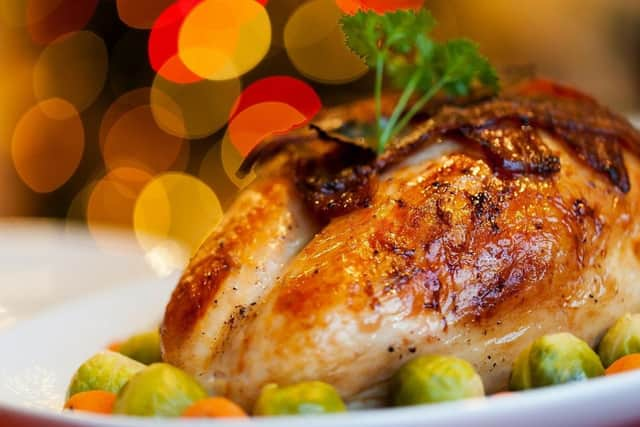
As the shopping was unpacked two top quality British-farmed ribeye steaks - the pair for just ten pounds rather than their standalone £7.50 - were passed over to pop into the fridge. There was also a whole chicken (granted not noticeably big but there is something unseemly about the modern trend of rearing them to supersized status) for less than five pounds.
The point this moaning mother was trying to make is that we accept having our leg lifted for convenience’s sake at our peril. Yes, every now and again, there is nothing to beat a fast-food treat. But as the nation sits down tomorrow to eat home cooked food is there really anything to beat it?
Marketing has tricked families into thinking they need to eat fancy food. That whatever their mothers and grandmothers used to serve up from the hostess trolley isn’t good enough. Television chefs get rich trying to sauté sprouts or whatever this year’s festive fad is. The British public needs to jump off this particular gravy train.
Butchers and greengrocers are regularly used, along with occasionally farm shops. But we mustn’t march away from supermarkets as that is where the bulk of British-produced milk, vegetables and meat are sold. Not every son or daughter of the soil has a niche contract with a farm shop or pop-up stall on a trendy market. As an aside, these are often won by a move-to-the-country minority using their city slicker media skills.
Instead of sneering at supermarket bought food, those with influence should be campaigning to make sure producers get properly paid and join the call for fair pricing and labelling. For far too long shoppers have been conned into thinking they are buying British by proficient packaging. Even this eagle-eyed trolley pusher has been caught out by chicken from Thailand, venison burgers (in mitigation wrapped in tartan colours) from Poland and carrots from France.
Christmas Day’s bullet-hard Brussels sprouts and the inevitable dish of something not remembered until the remains are retrieved from the back of the oven on Boxing Day are about so much more. In an increasingly fractured society, coming together to eat is so symbolic.
Over the last few weeks a farmer called Ben Aveling, who is well known to the younger generation because of his social media posts, launched a ‘Back the Sunday Roast' campaign.
He showed a maturity beyond his years when he observed: “Families around Britain are losing something precious. Sunday dinners used to bring us all together - grandparents, parents, kids, neighbours - around one table, sharing proper British food and real conversation.
“But it's not just about the food - it's about rebuilding the Sunday tradition that made British families stronger. Join the Sunday roast revival and let's bring back proper family time, real food and the community spirit that built our nation.”
We will be one down around the table tomorrow as The Son is away in Australia driving a combine. He thinks it will be burgers on the barbecue for Christmas lunch. To know he will be cooking and eating a meal with company, happy in his work and a roof over his head, is all his mother can ask for. Meanwhile, back on these shores, thousands will spend this Christmas out on the street, living an isolated and homeless existence. Charity should begin at home.
In the meantime, merry Christmas. No politically correct “happy holidays” from these column inches.