
Why Yorkshire universities are opening new campuses in London - Tom Lawson
The University of Hull recently opened its doors to a cohort of students on a new campus – in London. Two years after first offering Hull degrees in the capital, we are growing our presence there in response to exceptional demand.
Our ‘campus in the sky’ overlooks Stratford’s Queen Elizabeth Olympic Park, bordering the City’s international financial and professional services hub. With enhanced learning facilities and improved social spaces, we can offer more industry-relevant degrees to students seeking careers in global firms.
Why would a Yorkshire University expand in London, why not invest in Hull? This move helps us to do both.
Last month we opened the £48m Wound Innovation Institute, a major research centre combining world leading discovery science, clinical expertise and industry collaboration to deliver life-changing innovation in the treatment of chronic wounds. We also opened state-of-the-art laboratory facilities to support new civil engineering programmes, delivering critical skills and infrastructure for a more sustainable and resilient Humber region. Major investment supported by our success in delivering highly sought after, transformative degrees where demand is strongest. Put simply, growth in London allows investment that otherwise may not be possible in Hull.

For many international students London is the draw. London-based study promises proximity to blue-chip businesses, tech giants and high growth innovators, making the capital a gateway to global opportunities. A City CV and a career-accelerating Hull degree offers potential progression to leadership roles in every major economy.
We’re not alone. Growing numbers of regional universities have established Remote Metropolitan Branch Campuses (RMBC’s) in the capital. Sheffield Hallam is set to open a campus in Brent Cross and Huddersfield opened its new postgraduate-focused Stratford campus last year.
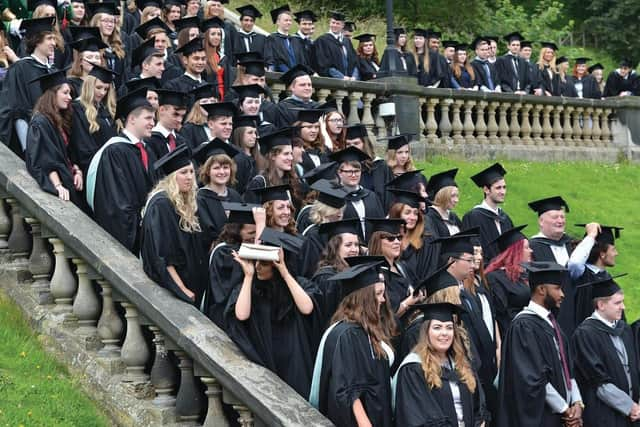
Over two short years we have secured a very strong position in a competitive market. Within 18 months of opening, we enrolled over 1,700 students onto Masters’ programmes, rapidly outgrowing our existing facilities. By July, 1,000 of those will have graduated, already achieving academic excellence - resulting in growth for the University’s London Campus.
Exceptional demand speaks to the industry-focused programmes we offer, the quality of our teaching and the supportive learning experience we provide. And it's not just in London. Since 2006 we have been working with partners in Hong Kong, Egypt and now China too.
Beyond academic excellence, strong industry links and high-quality student support, our partners recognise the values that inform inclusive, empowering and progressive programmes that promote opportunity and support successful, resilient communities.
We live in a rapidly changing world. The pace of technological development places a premium on knowledge and skills everywhere. Earlier this year the Government launched its International Education Strategy, promoting the value of Transnational Education (TNE).
TNE broadens access to excellent education without forcing relocation, helping to retain talent in local economies and building the skills base that employers need to compete in a low-carbon, high-tech world. Sustainable growth depends on education that is accessible, internationally connected and anchored in real employment outcomes. That is the model Hull has been refining for over two decades, and more.
Talent is found everywhere but opportunities are unevenly distributed. Our mission as a university is to create opportunities for growth regionally and globally.
In taking a piece of Yorkshire to the capital, our London Campus opening is a further significant step in our internationalisation strategy.
Professor Tom Lawson is the vice-chancellor at the University of Hull.