
Will Yorkshire pump the brakes on autonomous vehicles? - John Kushnick
Next spring, Uber will trial robo taxis in London after partnering with AI firm Wayve – whose self-driving vehicles have already been tested in the city under human supervision. The pilot will be the first of its kind for Uber in the UK and comes as the government pushes to accelerate the adoption of autonomous vehicles (AVs) aiming for a 2027 rollout of driverless cars.
While the Department for Transport says the industry could create 38,000 jobs and add £42bn to the UK economy by 2035, the case for driverless cars has stalled amongst the British public. This is especially true in Yorkshire and Humber where sentiment towards driverless cars is more hesitant than the UK average.
Our research at National Accident Helpline highlights that there remains a sense of nervousness from the public – with the majority respondents saying that safety concerns would prevent them from purchasing a self-driving vehicle.
39 per cent of respondents in the UK said they wouldn’t consider purchasing a self-driving car and in Yorkshire, this increases to an immense half 50 per cent.
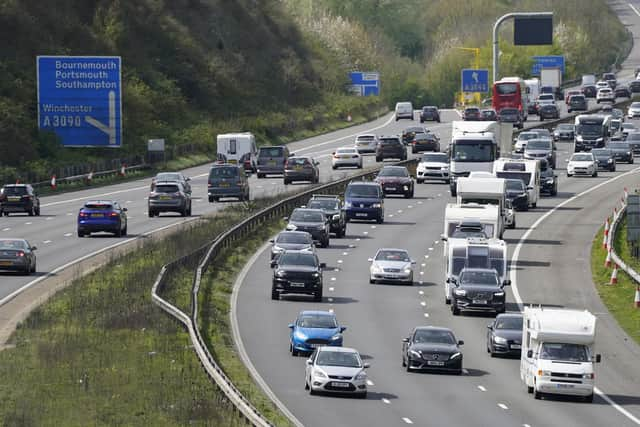

In Yorkshire, 46 per cent are extremely concerned about personal injury resulting from self-driving cars versus the UK average of 41 per cent. And while 35 per cent of respondents disagree current laws are adequate to address self-driving technology, this figure rises to 40 per cent in Yorkshire.
While there are clearly hesitations surrounding the technology behind driverless cars, one trend which translates across all of the UK is confusion and questions around liability and regulation.
It’s an age old question when an accident occurs – who is at fault? This becomes more complex when the other person involved isn’t human. 15 per cent of respondents in Yorkshire believe the car manufacturer would be at fault and equally, 15 per cent believe the blame lies with the software developer.
With autonomous vehicles, it’s likely that manufacturers will bear more responsibility and the benefit is that these cars will record everything, making it easier to establish fault. That could be a real gamechanger for the claims process moving forward.
And what will this mean for insurance, driving tests and the Highway Code? Car insurance premiums have already come under fire this year amid rising costs.
While insurance premiums are calculated by assessing risk, nearly half, 47 per cent, of Brits believe that owners of self-driving vehicles should pay higher insurance premiums. However, in Yorkshire, respondents took the most measured view in the country – with 30 per cent saying that owners of both self-driving cars and manual cars should pay the same.
Ultimately, car insurance isn’t a luxury, it’s an essential and we need to ensure drivers are equipped with a fairer deal – while being able to embrace new technology.
A few factors behind why the public in Yorkshire are more hesitant towards driverless cars than Londoners is that London has more controlled traffic environments, extensive public transport systems, and experience with automated systems like the DLR. Yorkshire and Northern England often have more rural roads, varied driving conditions, and less exposure to automated transport technologies.
27 per cent of respondents in Yorkshire said they would be most likely to drive a self-driving car on motorways and only 10 per cent would choose to do so on country roads so respondents may feel that there isn’t a need for driverless technology in their area.
Additionally, cities like London have lower car ownership owing to reliance on public transport systems. Areas like Yorkshire with strong car ownership culture and pride in driving skills might be more resistant to giving up control to automated systems.
It’s imperative the government focus on how autonomous vehicles can practically be rolled out and adopted across the UK, and not just metropolitan cities like London.
John Kushnick is the legal operations director at National Accident Helpline.