
Winter can bring significant financial stresses so people need to plan ahead - Vikki Brownridge
For many, winter can mark a period of excitement and renewal. With the prospect of the festive season, the new academic year, and a fresh start, it can be a natural reset point. But winter can also bring significant financial stresses - increased energy costs and usage, affording Christmas, and the age-old fear of a New Year debt ‘hangover’ come January.
Heating our home, charging our devices and running a warm shower are all things we do almost unconsciously, but for two in five StepChange clients, energy debt has built up so significantly since the pandemic that these once unconscious tasks are becoming a choice. To add to that picture, our average client debt for energy now stands at almost £2,500 across all energy types, and Ofgem’s total energy debt estimate for households across the UK stands at over £4bn.
What’s more, last year StepChange polling found that over one in four adults, nearly 14.5 million people, expected to struggle to afford Christmas and most sad was that 3 per cent of people, 1.5 million, told us they would not celebrate Christmas at all due to the cost.
More generally, the Money and Pensions Service (MAPS) revealed recently that half the population is struggling financially – falling behind on bills, not saving and are unable to withstand a loss of income – while one fifth are borrowing to pay for essentials.

It’s for these varied but equally worrying reasons that this autumn, as the largest provider of debt advice and solutions in Britain, we are encouraging clients, readers, and people to get ahead of winter and make plans early to weather these potential oncoming financial storms.
The first thing anyone should do when ‘resetting’ their finances is to assess your budget. This involves comparing your income with your outgoings, looking at where you spend money, where savings can be made, and how you can either pay down your debts or put money aside for a rainy day, holiday, or big expense.
For many, this process helps you understand how to best manage your finances. For some, it could be a prompt to seek expert advice from a free debt advice charity like StepChange to work out your route back to financial health.
When you have assessed your budget, it’s also worth seeing whether you are entitled to more help than you realise. StepChange’s benefits calculator helps identify whether you are entitled to any benefits to help manage day to day expenditure. Then there’s more practical things you can do to try and reduce your expenditure in the winter period.
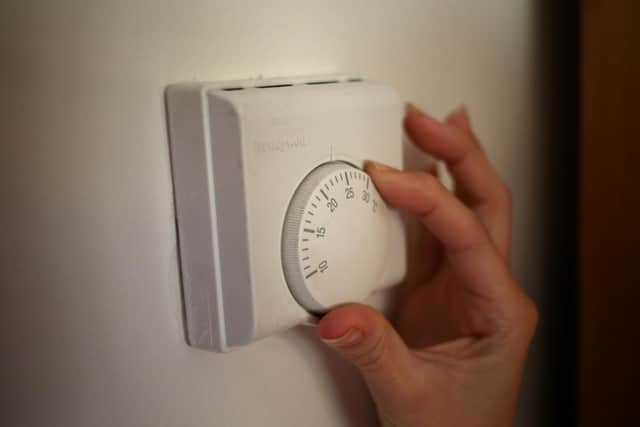
Check your energy tariff and where possible fix your rate now to ensure a lower overall monthly cost. More generally, lower your thermostat by one degree, block any draughts and turn all appliances off after use.
Christmas can creep up on us and can end up being very costly. It’s not just presents for family members, but the ‘big’ Christmas shop, travel to see family and decorating your home.
So, to avoid the risk of overstretching yourself, set yourself a clear budget for the whole period, write a list of gifts, and spread spending over weeks rather than cramming spending into December, one of the toughest months.
By getting ahead of winter, you give yourself the best chance to avoid a new year debt hangover and the stresses of spinning plates to afford the festive period.
Vikki Brownridge is chief executive of StepChange Debt Charity, based in Leeds.