
World Hearing Day: Acceptance is the first step to tackling hearing loss - Andy Armitage
As an audiologist, my work begins with listening - not just to hearing concerns, but to people’s lives and the impact hearing challenges have for them. On World Hearing Day this March, it feels especially important to reflect on what hearing loss truly means, how it is perceived, and how we can create a society that listens better to everyone.
Hearing loss is one of the most common disabilities worldwide, yet it is often invisible. Approximately 1.5 billion people, or nearly 20 per cent of the global population, live with some form of hearing loss, with about 430 million of these cases classified as ‘disabling’. By 2050, this number is projected to rise to over 2.5 billion people (one in four), with over 700 million requiring rehabilitation for disabling hearing loss.
Many of the patients I meet do not see themselves as ‘disabled’ at first. They may describe missing parts of conversations, feeling exhausted after meetings, or withdrawing from social situations they once enjoyed. Over time, these challenges can affect confidence, relationships, mental health and work life. What strikes me most is how often people blame themselves, rather than the environments that fail to support them.
World Hearing Day is not just about awareness; it is about changing perspectives. Hearing challenges are not solely a medical condition but are shaped by barriers in society. For people with hearing loss, those barriers can include background noise, lack of captioning, poor lighting that makes lip-reading difficult, or assumptions that everyone communicates in the same way. Small adjustments can make an enormous difference, yet they are still too often overlooked.

All of this can lead to people feeling isolated and alone, when they don’t need to be. People retreat from social activity and avoid situations that could make them embarrassed.
In my clinic in Harrogate, I see firsthand how access to the right support can be life changing. Hearing aids, assistive listening devices and communication strategies are vital tools, but equally important is understanding and acceptance. When family members learn how to communicate more clearly, when workplaces embrace reasonable adjustments, or when public spaces become more accessible, people with hearing loss are empowered to participate fully - not just cope.
One of the most rewarding parts of being an audiologist is watching that shift happen. I have seen patients rediscover music, reconnect with loved ones, and regain confidence at work. I have even helped someone who was terminally ill, improve their hearing to appreciate the remaining time they had with their family. But I have also seen how stigma and misunderstanding can delay people seeking help for years. Many still worry that hearing aids make them look old or incapable. World Hearing Day reminds us that hearing loss is not something to hide - it is part of human diversity.
This day is also a chance to recognise that hearing loss does not look the same for everyone. Some people are born deaf, some lose hearing gradually, others suddenly. Some use sign language as their first language, others rely on technology, there is auditory training, and many use a combination of approaches. There is no single ‘right’ way to hear or communicate, but acceptance that you have a hearing difficulty is the place to begin.
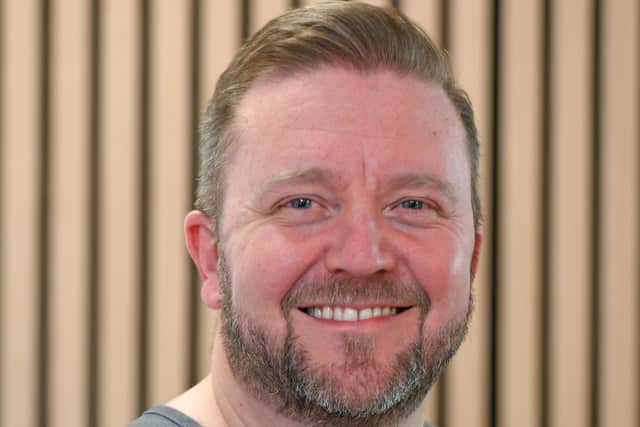
Andy Armitage is a director at The Yorkshire Hearing Clinic.