
Yorkshire has nothing to fear from facial recognition technology - Andrew Vine
Big Brother isn’t watching you. He’s protecting you. This is the only sensible response to those grumbling that the widespread introduction of facial recognition technology allowing police to identify criminals is going to plunge us all into an Orwellian surveillance nightmare in which our every move is known to the authorities.

No, it won’t. To claim that this is a tool to spy on the general public is hysterical, conspiracy-theory nonsense. So is any notion that we’re gradually turning into a North Korea-style police state where the population is terrorised into obedience by being incessantly monitored.
The police aren’t interested in following the movements of people going about their business. They’re far too busy for that and, besides, are rightly proud that British policing is done with the public’s consent.
Their only purpose in using the technology is to get criminals off the streets, into the courts and locked up, and the public will be only too happy to consent to that.
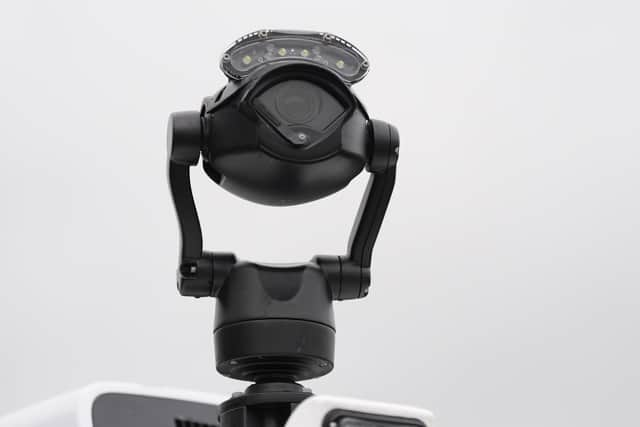

The proposed national roll-out of facial recognition after a series of successful trials is going to make the police’s job easier and all of us safer.
That outweighs any tired old civil liberties arguments about cameras eroding our freedoms.
For the vast majority of us, the civil liberty that matters most of all is to be able to walk the streets safely, at any time of the day or night, and to live free of the fear of crime, whether it be having our mobile phone stolen or home broken into.
A nationwide system that allows the police to identify and locate suspects in a crowded city centre within seconds and move swiftly to arrest them brings the freedom from the threat of crime closer.
Proof of that is apparent from the areas in which facial recognition has been trialled, including London, where it has been directly responsible for 1,300 arrests, including rapists and violent offenders, over the past two years.
It is not fanciful to suggest that dozens, maybe scores, of people have been spared the trauma of becoming victims of crime as a consequence of those arrests. Replicating that across the country would be a major boost to law and order.
Ministers are right when they say the technology is the greatest step forward in detecting crime since the introduction of DNA screening, and the sooner it is deployed in every part of the country the better, though it seems likely that will be at least two years away following the consultation launched by the government last week.
The overwhelmingly law-abiding population of Yorkshire and the rest of Britain have nothing to fear from police having a powerful new tool to fight crime and everything to gain.
And it’s absurd for vocal pressure groups such as Liberty and Big Brother Watch to complain about a loss of privacy or that we’re becoming a surveillance state when we’ve been surrounded by CCTV cameras for years without the slightest impact being felt on our freedom.
We’ve got them on our doorbells to check who’s coming up the drive, and on the dashboards of our cars. If you ride a bike, chances are you’ll wear a camera on your helmet.
We don’t give a second thought to using supermarket self-service checkouts monitored by video, or petrol stations and car parks where cameras record our number plates. And anybody who has travelled overseas this year will be familiar with the facial recognition now being used for passport checks.
Being filmed is a fact of life, and nobody would quibble with the usefulness of footage from the forests of cameras already trained on society to police in tracking down criminals after offences have been committed.
A great leap forward in using the new technology will be to prevent at least some of them from happening in the first place by catching repeat offenders, as well as clearing up more crime at a time when some forms of it, such as shoplifting, have reached epidemic proportions.
Combined with the abolition of jury trials for some offences, which should push defendants through the courts much more quickly, facial recognition holds out the hope that after years of being on the back foot as crime has risen, the police have a much better chance of putting criminals where they ought to be – in a state of fear of being caught.
The deterrent effect of that cannot be underestimated. Cameras that can pick out a suspect as they walk along a crowded street will help to eliminate the hiding places criminals can find in busy towns and cities. They will also free police time, enabling officers to cover more ground.
This isn’t about Big Brother watching you. It’s about putting him on the side of victims and the law-abiding who are sick of criminals getting away with it.