
Yorkshire’s exporters face a highly unpredictable trading environment - Jayne Hussey
The war in Iran has created a volatile and fast-changing situation, with markets and oil prices following suit. Market fluctuations, disruptions to global freight networks, stranded cargo, and global and economic uncertainty, have created a highly unpredictable trading environment for many regional importers and exporters.
Experts are predicting that, if the conflict continues much longer, the impact on supply chains – both shipping and air transit – will be greater than the Covid-19 pandemic.
With major carriers suspending routes, emergency war-risk and conflict surcharges being imposed, ships being redesignated mid-transit, and cargo being offloaded at significant cost to customers, the ripple effect of the war is being felt far from the Middle East.
A recent report from Heathrow Airport described exporting as the ‘backbone’ of the Yorkshire and Humber economy, with more than £20 billion worth of goods being exported each year, driven by over 8,000 regional exporters that need rapid access to worldwide markets. Global freight networks are critical.
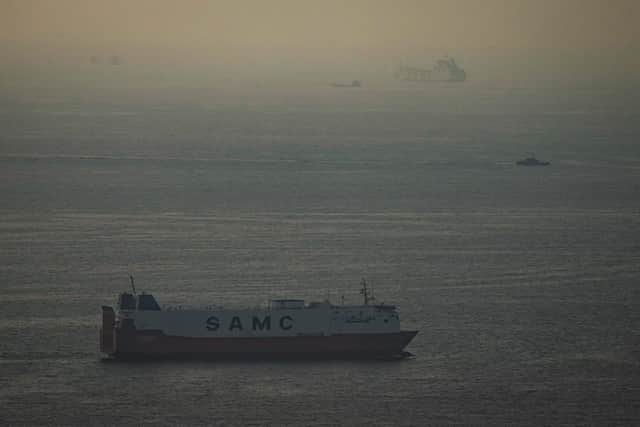

Therefore, the closure of major shipping routes, and the sharp reduction of air cargo capacity, is likely to have a profound effect on how businesses receive inbound materials and distribute their goods across the world. This is particularly so for Yorkshire manufacturers, with Asia and Oceania accounting for 13 per cent of goods exports, according to the latest regional manufacturing outlook from BDO and Make UK.
For those businesses selling Yorkshire-made products to global markets, the war in Iran has created a supply chain challenge like no other. But, when faced with exceptional circumstances, what provisions need to be put in place to help weather the storm?
The key is understanding and assessing your supply chain. By enhancing resilience, and focusing on business continuity, you can seek to protect against future disruption, particularly those elements of your supply chain that are vital revenue drivers and critical to the performance and success of your business. For example, are you reliant on a single supplier, or a single raw material?
Assessing vulnerabilities in your entire supply chain, will enable you to put alternative provisions in place, such as finding alternative suppliers to diversify your risk. Assessing current stock lines, and those held across your supply chain, is also an important step, helping to maintain order levels and ‘business as usual’, with the option of ‘onshoring’ your supply chain also a consideration. Equally, understanding shipping and air freight routes that your goods/raw materials take is crucial. Understanding the extent to which you are able to manage increased costs, for example, through renegotiating prices should also be a priority focus.
From a legal perspective, what are your suppliers’ contractual obligations to you? What are their delivery channels? And what are the risks they are exposed to? This information is vital when considering the knock-on effects to your own supply chain.
The same can be said for your own contractual obligations and whether any renegotiations are required. Ask yourself: who bears the risk of disruption? Is a breach of contract likely? And what reasonable mitigation steps have been taken.
For example, what scope is there for you to increase prices to reflect increases in cost?
What’s more, as the Iran war continues to unfold, government intervention may change an already shifting landscape. It’s important to remain up-to-speed with any changes to export controls, trade sanctions and border closure, to understand the impact on your goods and materials.
In the long-term, flexibility and forward planning are vital in times of a crisis.
Whether that’s redesigning products, focusing on new markets, or planning for different demand scenarios with suppliers, in a climate of growing uncertainty and continued geo-political tensions, understanding the multiple layers of your supply chain and key inputs into your business, will be hugely valuable in helping to limit disruption as much as possible and shortening recovery times.
Jayne Hussey is a commercial partner at Mills & Reeve