
Yorkshire's legal sector needs to do much more to tackle a lack of social mobility within it - Nadia Hemmings
Despite its role in upholding justice and equality, law itself remains a sector, characterised by low social mobility. Recent data from the Solicitors Regulation Authority paints a stark picture.
While there has been a slight increase in lawyers from intermediate and lower socioeconomic backgrounds, rising from 29 per cent in 2021 to 31 per cent, the figures reveal how far we still have to go. A striking 57 per cent of lawyers still come from professional backgrounds, and 21 per cent attended independent schools, nearly three times the national average of 7.5 per cent.
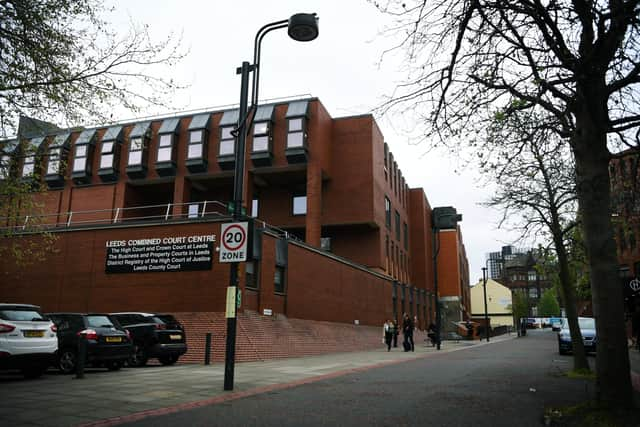
Over 200 law firms operate in Leeds and 15 per cent of UK law graduates are Leeds based, cementing the region’s status as a legal powerhouse. Therefore, breaking down the barriers that prevent talented individuals from accessing a profession that should be open to all is paramount.
When the legal sector fails to reflect the people it serves, we all lose out.

In the first instance, we need better education about social mobility itself and understanding the barriers people face.
Change is possible but it requires collaboration across multiple fronts. Education providers, employers, industry experts, and government all have a role to play.
At Clarion, we've seen firsthand what focused effort can accomplish. Last week, we rocketed from 126th to fourth place in the UK Social Mobility Employer Index 2025 - one of the most significant improvements in the Index's history.
Our achievement started by truly understanding our workforce. A firmwide survey revealed that around 80 per cent of our colleagues were state educated and nearly half are first-generation graduates. Crucially, 70 per cent of our partners were the first in their family to attend university - living proof that progression to senior levels is achievable for those without traditional backgrounds. Yet the data also highlighted where representation needs to improve, providing us with a clear roadmap for continued progress.
Understanding these numbers transformed our approach. We introduced social mobility-focused work experience programmes, giving students from underrepresented backgrounds meaningful insights into legal careers, often for the first time and launched an internal social mobility focus group. This has helped significantly to shape our policies and increase engagement among colleagues who've faced similar barriers.
We've reformed our graduate recruitment and apprenticeship processes to ensure potential is recognised beyond academic background, welcoming six talented new apprentices last month alone.
However, sustainable change requires more than just internal initiatives. Through our partnership with Dixons Trinity Academy in Leeds, we're engaging directly with our local community, promoting higher education and challenging the barriers that prevent talented young people from considering law as a career.
We've also embraced collaboration, joining the inaugural Browne Jacobson Social Mobility Incubator and sharing our learnings with other regional firms. Pro bono work and targeted recruitment programmes all offer valuable access points to the sector, but isolated efforts are not enough. Real progress demands collective action across the profession.
Talent is everywhere but opportunity is not.
The industry has made strides in improving social mobility, but there’s still more progress to be made. By working with our peers, partners in education, and the wider business community, we can create lasting opportunities for the next generation and build a legal workforce that is reflective, as well as inclusive.
Nadia Hemmings is talent manager at Clarion.