
Young people in the North are being hit twice as hard due to regional inequalities - Ryan Swift
The kids aren’t alright. Young people today have grown up in extremely challenging circumstances, enduring austerity, Brexit, economic stagnation, a pandemic and a cost-of-living crisis. Intergenerational wealth inequality is stark, and it is becoming increasingly unlikely for many young people that they will be better off than their parents.
Young people in the North are being hit twice as hard as a result of entrenched regional inequalities. Our latest State of the North report highlights these significant divides.
In the North we see higher rates of child poverty and lower levels of opportunity, lower levels of school funding and worse school outcomes, fewer job opportunities, significant divides in cultural provision and investment and with access to high quality green spaces. Young northerners are feeling the effects of regional inequalities.
Facing these prospects, it’s no wonder that many young people are struggling to have faith in politics. Who can blame them? Less than half of 18–24-year-olds are satisfied with democracy and the ability of politicians to deliver for them.

Among young northerners we find that pessimism about the ability of politics to deliver is exacerbated by regional inequality and the sense that not only are young people’s interests overlooked but their places are too.
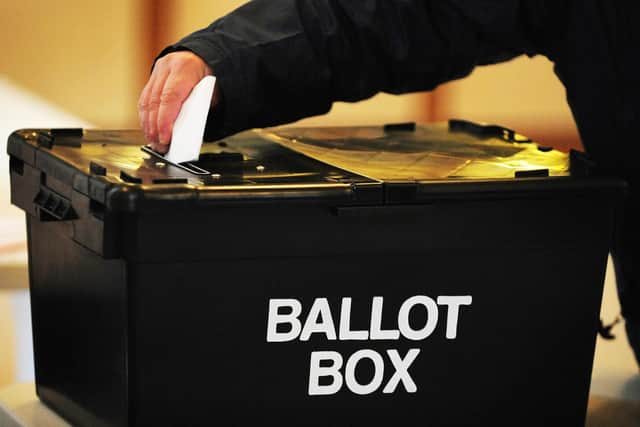
This is resulting in political apathy. The general election last year saw lowest turnout since universal suffrage began and it is estimated that just 37 per cent of 18–24-year-old cast a ballot. This is creating a dangerous cycle where young people are ignored by politicians because they don’t vote, and don’t vote because they’re ignored.
There is the additional danger that youth political apathy could be seized upon by the radical right. There is a growing concern about the attitudes and behaviours of some young people as highlighted by dramas like Adolescence and the potential pull of radical right-wing parties like Reform to disillusioned young people.
While youth support for radical right parties remains relatively low in the UK compared with many other countries in Europe, politicians should not be complacent. Westminster must face up to the fact that if they don’t speak to young people, then the radical right will.
The stakes are high and the government cannot remain asleep at the wheel, as they could lose a whole generation to hopelessness, or worse. There is an urgent need to enact reforms so that young people are listened to and valued in our politics and decision-making works in their interests.
Starting with plans to deliver on its manifesto commitment to give 16- and 17-year-olds the vote alongside better political education in schools, the government can begin to shift the dial on intergenerational political inequality.
But that should be just the beginning. Politicians need to go much further, by actively listening to young people and ensuring the ideas that they’re offering actually work for and appeal to them.
This applies at the local level too. Working with government, mayors and other local leaders should strengthen local youth democracy, including through the creation of a new Youth Council of the North and redouble their efforts to actively engage with and listen to young people in their areas.
Giving young people a stronger voice in our politics is vital to improving youth outcomes and safeguarding and strengthening our democracy for the long term.
Ryan Swift is a research fellow at the IPPR North think tank.