
EVs are more efficient than petrol cars, even if they have to fall back on fossil fuels - Yorkshire Post Letters

From: Chris Snow, Stoke Gabriel, Totnes.
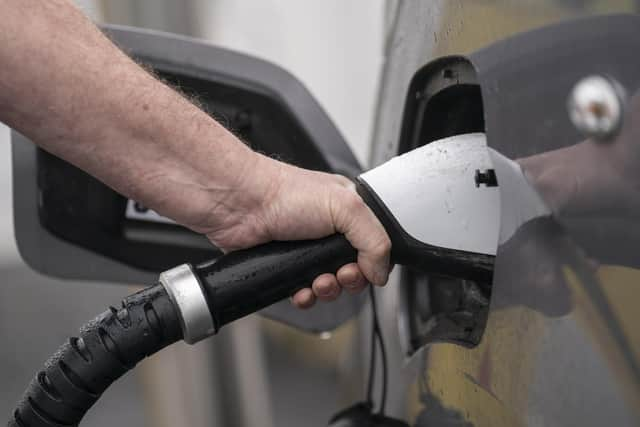
Contrary to what Clark Cross may think (Letters, June 2), I am of course aware that some of the electricity used to power my EV comes from fossil fuels. But because EVs are so much more efficient than petrol cars – EVs convert about 85–90 per cent of their electrical energy into movement, combustion engines manage only around 25 per cent – even if all the electricity is generated by gas, EVs are still more efficient and less polluting than a petrol car.
This is even true if the electricity is generated by the most polluting fuel, namely coal.
As Mr Cross says himself, EVs can be powered by electricity from a wide range of sources: solar, wind, hydro, nuclear, even gas and coal. However the electricity is generated, the end result is the same – greater energy efficiency and less pollution than internal combustion engine (ICE) vehicles. By contrast, ICE cars run on a single fuel source which, as we have seen recently, is at the mercy of geopolitical pinch points such as the Strait of Hormuz.

The human and economic costs of our reliance on fossil-fuel transit are staggering. According to a report published by the Royal College of Surgeons, around 30,000 deaths per year in the UK are estimated to be attributed to air pollution, with an economic cost of £27bn due to healthcare costs, productivity losses, and reduced quality of life. When wider impacts such as dementia are accounted for, that economic cost may be as high as £50bn.
An example of the cost savings of improved air quality has been seen in Bradford, which introduced a Clean Air Zone in 2022. According to a study by the University of York, it has since generated an estimated £180m in benefits, including a measurable decrease in visits to GP surgeries and hospital A&E departments.