
Food security is not as simple as hiking the subsidies for our beef, dairy and arable farmers - Yorkshire Post Letters

From: Maddie Evans, Shalford.
Anyone who thinks that using or not using 1 per cent of the UK’s land area for solar panels is the deciding factor in UK food security is missing a big point. Yes, we import more food than in the 1970s, but those figures hide a lot of detail and it’s not really about land area.
We grow enough beef and lamb, but we export high value steak and import lower value beef for fast food. We grow enough potatoes. We also grow a lot of feed for raising meat and dairy.
The reason we have high food imports is complicated, but a key factor is our 21st century diet and particularly our dependence on tropical and out of season foods. We eat far more prawns and imported specialties, and more grapes, avocados and fresh green beans in winter than we did in the 1970s.
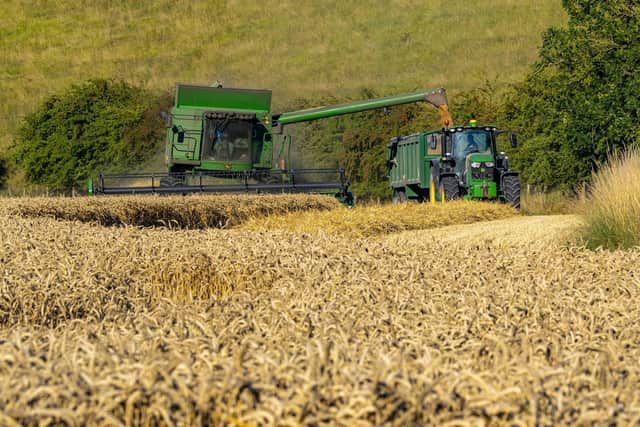

This is why UK food security is not as simple as hiking the subsidies for our beef, dairy and arable farmers, whatever they say. Reducing food imports requires more than that. It means a bit less (not none) meat and dairy, and a bit more vegetable protein from chickpeas and soya.
It also means diverting some taxpayer support from arable and livestock farmers to the horticultural sector. Because it will require a huge expansion of horticulture to grow food for people rather than cows.
Horticulture went out of fashion because it is hard and risky. Crops fail often, labour costs are high and even if your produce makes it to the shops, the customers don’t always buy it before it spoils. Modern horticulture means square kilometres of polytunnels and greenhouses, as seen in the Netherlands, which have a bigger visual impact than any solar farms (though there are solutions that combine the two to save space).
Extending the season will require heat networks and lighting. It means a bigger workforce, many of whom need to move for seasonal work, including foreign workers. Finally, food prices will rise and fall across the seasons, so we will need to return to canned and frozen versions or pay an even bigger premium and eat fewer fresh strawberries at Christmas.
At the end of June the government published its Farming Roadmap 2050. The world is changing and we and farming cannot stand still. Faced with a changing climate and global crop failures, the business-as-usual options are just not as good.
Increasing subsidies to meat and dairy and arable production might help us balance imports and exports, but it won’t stop us importing vast amounts of the food we want to eat. And if more global harvests fail and we do nothing, it raises the possibility that we have to revert to wartime rationing where children grow up without ever seeing bananas or oranges.
Or do you fancy the medieval diet where the majority eat beans and cabbages and meat is reserved for Christmas and the rich? In that scenario, you and I are definitely not the rich!
Food security will mean all of us adjusting our diets to eat more seasonal vegetables, and less exotic produce, (if we can’t grow enough here). We will have to replant our lost orchards, expand the field crops of cabbages and carrots, grow more peas and lentils for protein.
It also means agreeing to build more greenhouses and polytunnels in the countryside around towns, preferably using waste heat from power stations, industry and data centres.