
Jury trials are fundamental to our democracy - Yorkshire Post Letters

From: Nigel Boddy, Greencroft Close, Darlington.
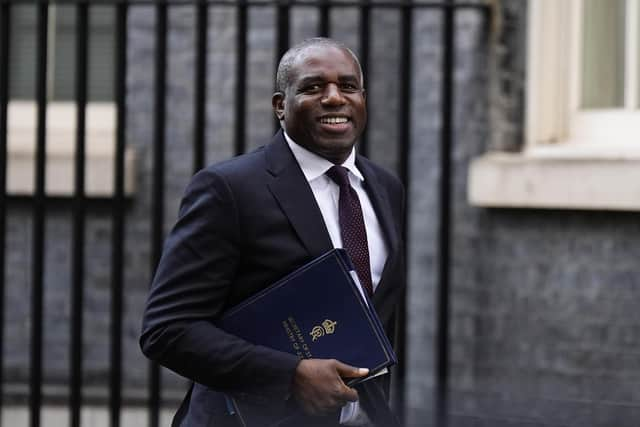
A leaked Ministry of Justice memo revealed plans to change our criminal justice system. David Lammy wants to end jury trials for almost all serious crimes, leaving only the most extreme offences for juries and pushing thousands of cases into judge-only courts.
Trial by jury has been the jewel in the crown of our justice system for more than 800 years. In 2020, Lammy himself said jury trials are fundamental to our democracy, and that trials without them are a bad idea. He was right then.
Yes, the courts are in crisis. Nearly 80,000 cases are stuck in the backlog, and victims and witnesses are being forced to wait years for justice, whilst living alongside those they are accusing. That crisis was created by the former Conservative Government’s complacency and chronic underfunding.

This cannot be used as an excuse to end the right to a fair trial by jury. There may be a case for ensuring that the jury are not visible to the public from the public gallery. The back log is caused not by a lack of juries, but by a lack of judges in the crown court anyway.
Also the prison crisis has to be addressed first to provide prison places for all those convicted. The GOV UK website said we needed 20,000 new prison places. The last government was only going to build 4,000. This new government wants to build 14,000 new prison places, still 6,000 short. It costs at a minimum £47,000 a year to keep someone in one of these newly privatised prisons. Lammy should be addressing this very high cost to the tax payers and be bringing down the huge costs of each prison place in the first instance, before he does anything else.
These ridiculous costs smack of corruption in some of the highest reaches of Whitehall and central government. It cannot be right that former MPs and civil servants are often shareholders in private companies with contracts in our justice system.
They must not be allowed to go to work for them as consultants after leaving office or public service. This is especially true for those who negotiated those contracts with the private sector.