
Why can’t we have classical music while swimming at leisure centres - Yorkshire Post Letters

From: Liz Smailes, Skipton.
For the past year I have been engaged in what can only be described as a remarkable battle with bureaucracy.
My request? Not a new swimming pool. Not a multimillion-pound capital project. Not even a reduction in membership fees.
I simply asked whether a local leisure centre could change the radio station to play classical music for one hour during a quieter lunchtime lane swimming session.

The rationale seemed straightforward enough. Numerous studies have demonstrated the benefits of classical music in reducing stress, promoting relaxation and supporting wellbeing.
Swimming itself is often recommended as a mindful activity. Put the two together and you have a potentially valuable wellbeing initiative at no additional cost to the taxpayer.
Yet 12 months later, after countless emails, management reviews, complaint procedures, licensing discussions and contradictory explanations, the answer remains elusive.
Along the way I have been told the radio station could not be changed because staff might forget. I was told music could not be played for health and safety reasons, despite music being played elsewhere in the facility. More recently, licensing has become the explanation.
The real issue is not whether classical music is better than pop music. Reasonable people can disagree about musical taste. The issue is why public services find it so difficult to experiment with simple ideas that could improve the customer experience and support wellbeing.
We hear much about promoting mental health, encouraging physical activity and creating healthier communities. Yet when a proposal arises that incurs no additional expense and could be trialled for a single hour, the system appears unable even to test it.
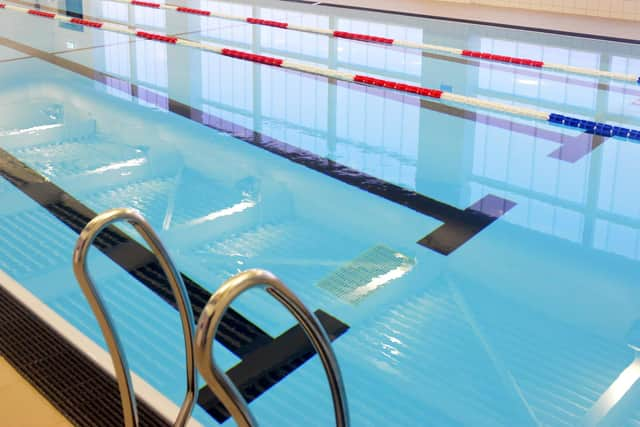
Perhaps the greatest mystery is that lane swimming itself is already a structured activity. The pool is divided into designated lanes labelled slow, medium, fast and faster. Participants attend for fitness, training, rehabilitation and wellbeing. If music is recognised as having a functional role within an organised aqua aerobics session, why can it not be considered as part of a structured wellbeing swim? The distinction appears to be one of administration rather than outcome.
After a year of correspondence, I am less interested in the music itself than in what the episode says about public sector decision-making. The council agrees that wellbeing matters. The council agrees that swimming promotes wellbeing. The council agrees that music can be used to support organised activities in the pool hall. Yet somehow a one-hour trial of a wellbeing-focused swim remains impossible.
Perhaps the question is no longer whether classical music should be played at the pool. The question is why public bodies so often become experts at explaining why something cannot be done, while never quite finding the opportunity to discover whether it might actually work.