
Why true economic growth should mirror the natural world - Yorkshire Post Letters

From: Rosalind Dean, Sheffield.
For too long, we have been told that economic growth requires an infinite upward trajectory of production and consumption. This is a fairy tale that ignores the physical limits of our planet.
True growth should mirror the natural world: a cycle of replenishment where today’s resources are managed to ensure there is enough for the generations that follow.
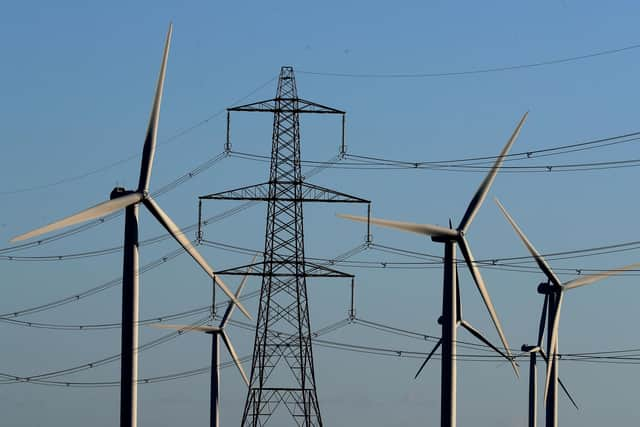
It is now undeniable that a transition to sustainable development is possible. Over the last decade, the costs of solar, wind, and battery technologies have plummeted by approximately 70 per cent. We no longer need to rely on the ‘dirty’ fossil fuel-based energy that has polluted our air and water for centuries. In fact, developing nations now have the opportunity to leapfrog these outdated systems entirely, moving straight to clean, decentralized power.

Beyond energy, we are seeing a massive shift in resource efficiency. Between 2000 and 2017, resource productivity in the G20 countries grew by 40 per cent. That means we can do more with less by insulating homes, avoiding food waste, and recycling materials like steel and cement.
When we integrate these efficiencies into our cities - prioritizing walking, cycling, and public transport - we don’t just reduce emissions; we improve our quality of life and create new economic opportunities.
The human cost of inaction is equally clear. Air pollution from fossil fuels is a global health crisis that drains productivity and increases mortality rates. Conversely, the ‘positive spiral’ created by clean investment safeguards our future while improving immediate well-being. With 85 per cent of people acknowledging that human-driven climate change is a reality and 70 per cent supporting active intervention, the public mandate for this shift is overwhelming.
The cost of delay is far higher than the cost of action. By shifting our investment toward renewable, circular growth, we can build a resilient economy that values health and sustainability over the myth of perpetual consumption.