
On the buses: bus revolution has been a long time coming
Part and parcel of living in the best county of them all – Yorkshire – is a stoic acceptance of the fact that in order to exist in splendid isolation, there will be challenges.


Those fortunate enough to have chosen rural parts of our sprawling county in which to set down roots, though, are often motorists who know that independence and mobility are but a key-turn in an ignition away.
Yet there are more than a few people who cannot rely upon a car or motorcycle to get them from a to b; from students to pensioners, old and young; huge swaithes of the population rely on public transport in order access a full and meaningful life.
Which is why the news of new measures being introduced, that give local leaders and transport authorities the powers to run bus services for people before profit, is not just a welcome development but an essential one.
According to official Department for Transport data, buses today travel some 300 million miles fewer on the roads, annually, than they did back in 2010 – a mind-bogglingly high number hiding beneath which are abandoned communities and stranded individuals.
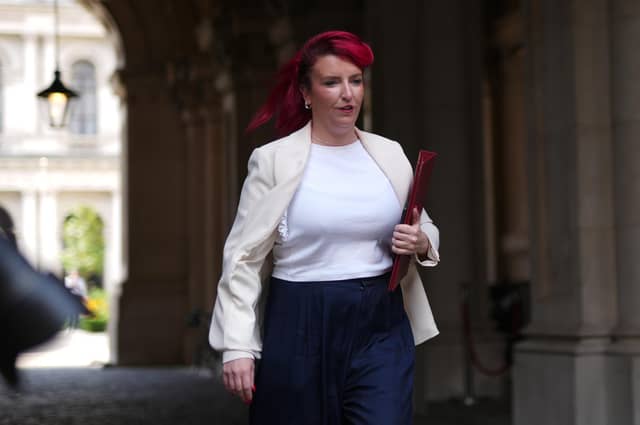
Transport Secretary, Louise Haigh, as a Sheffielder herself, knows all-too-well the importance of reliable, affordable bus services, particularly when they are intelligently and efficiently plugged-in to rapid mass transit networks such as trams and trains. Mr Haigh’s self-styled ‘bus revolution’ – if delivered well – is therefore a platform on which to build faster, farther-reaching, more deeply connected transport networks that bind and build communities.