
People in problem debt are three-times more likely to consider suicide, Martin Lewis research finds
People in problem debt are three times more likely to consider suicide than those without a debt problem, research has found.

A report from the Money and Mental Health Policy Institute found that 4 per cent of those who are debt free think about taking their own life each year.
However, this rises to one in eight - 13 per cent - among people who have been behind on bills or credit payments over the same period.
MMHP says that “it’s important to recognise that suicide is a complex phenomenon”, before adding: “There are usually a range of social factors, life events and other circumstances that drive someone to think about suicide.”
But the campaign group said it believes money problems and debt are often “overlooked” when it comes to people taking their own life.
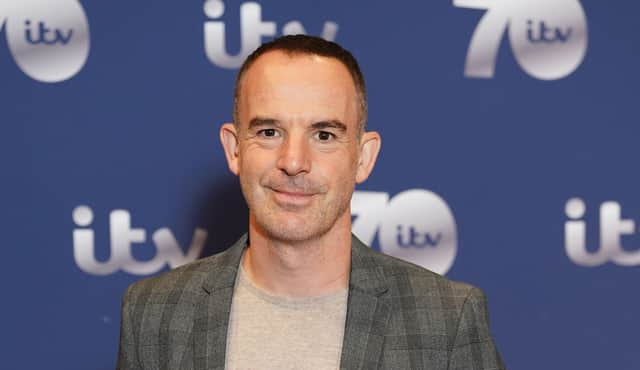
MMHP was founded by Martin Lewis, who added: “Money and mental health problems can be a marriage made in hell. We’re here to change that.”

The impact of debt fears was highlighted by the tragic case of mum-of-nine Jodey Whiting who a coroner found killed herself as her mental health deteriorated after her benefits were incorrectly stopped.
Extracts from notes the 42-year-old left for family members were read at the second inquest into her death, in which she said she could not pay her bills and had no food.
An Independent Case Examiner (ICE) report into the decision to remove Ms Whiting’s benefits found that a number of mistakes had been made, that her payments should not have been withdrawn and it recommended that the Department for Work and Pensions pay £10,000 to her family.
At a second inquest, last year, coroner Clare Bailey recorded a conclusion that Ms Whiting’s death in 2017 in Stockton-on-Tees was suicide “in the context of a deteriorating mental state, precipitated by the withdrawal of state benefits”.
Bridget Dolan KC, coroner’s counsel, said: “She wrote about not being able to pay her bills and having no food.
“In some she wrote about feeling breathless and having back pain and trying to pay her bills and being in debt.”
Another note stated: “I have had enough.”
StepChange, the Leeds-based debt advice charity, says that the use of bailiffs in debt enforcement has a mental or physical impact on 90 per cent of their clients.
Luke Charters, the York Outer MP who has been campaigning for tougher bailiff regulation, told The Yorkshire Post: “Some 500,000 people a year think about taking their own lives because of problem debt.
“It is one of the leading causes of suicide in this country, about how problem debt is racked up.
“It’s been referenced in coroner reports, and actually I think compassion dictates we need problem debt relief schemes.”
Mr Charters cited one run by Ofgem, the energy regulator, and called for a similar one on council tax, which is often where bailiffs are used most frequently by local authorities.
When life is difficult, Samaritans are here – day or night, 365 days a year. You can call them for free on 116 123.