
Behind the scenes of a vote that divided the nation - Brexit: A Very British Civil War documentary sees David Cameron, Boris Johnson, Nigel Farage and other key players give account of run up to EU referendum ten years on'
A new documentary tells the inside story of a vote that divided a nation, 10 years on from the EU referendum. Laura Reid speaks to Max Stern and Norma Percy about Brexit: A Very British Civil War.

“I never thought that making a television series about Brexit would be praised for being a hoot,” says director Max Stern. Yet that's how the two-part BBC documentary Brexit: A Very British Civil War was described in a review in The Guardian.
“Yes, it’s a documentary on a sobering topic,” the reviewer wrote. “But when you’ve got an endless stream of blockbuster names spouting irresistible gossip – plus Nigel Farage being a total panto dame – you can’t help but have a ball.”
How the audience might react to the show, however, occupied little of the thinking for Stern and series producer Norma Percy, a veteran for this type of film-making, which retells momentous events from the recent past.
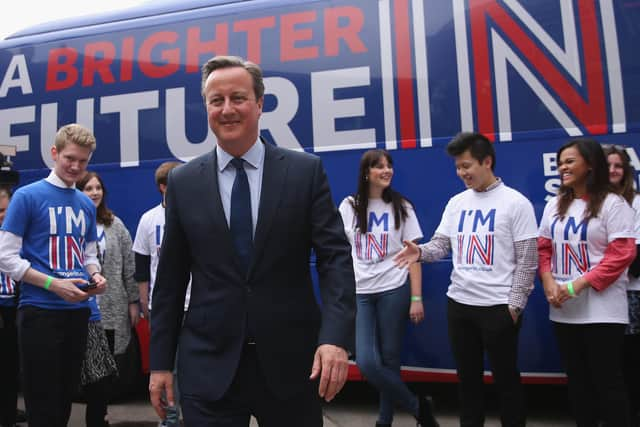

They set out simply to give an account of what happened behind the scenes in the run up to the EU referendum ten years ago this month, sharing the thinking behind big political decisions that were taken during the campaign process.
“We wanted to talk to the people who were involved at the crucial moments and find out from their perspective, in their words, from their lived experience, how leave won and how remain lost,” Stern says.
The talking-head style documentary begins with the 2015 general election, when the Conservatives won an unexpected majority and Prime Minister David Cameron returned to 10 Downing Street under pressure to hold a referendum on the UK’s membership of the European Union.
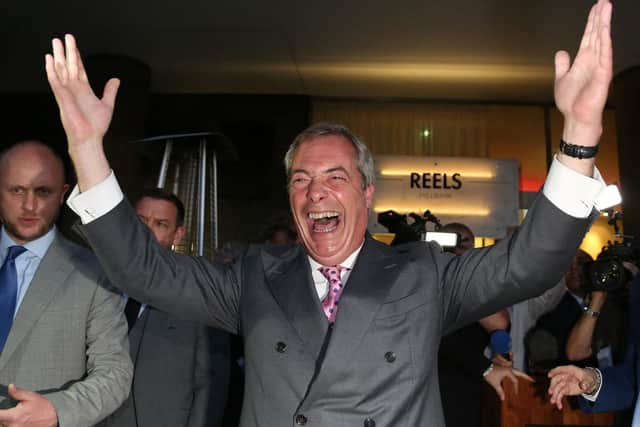
Figures including Mr Cameron, Boris Johnson, Nigel Farage, Jeremy Corbyn, Michael Gove and Gordon Brown give their recollections of the events that unfolded over the months that followed, alongside other MPs and special advisers. Missing however is Dominic Cummings, the director of Vote Leave, who reportedly did not respond to requests to be interviewed.
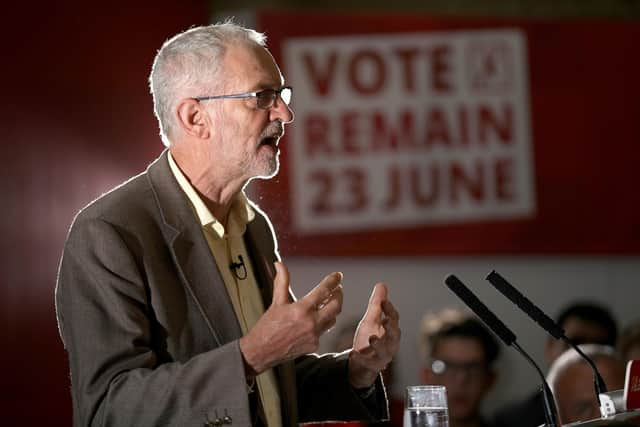
“I've made quite a few documentaries, political documentaries before,” reflects Stern, who recently gave a talk about the series with Percy at Sheffield Doc Fest. “I've interviewed many top politicians, presidents, and prime ministers. I've interviewed many of the people we interviewed for this series before.
“And the thing that struck me during the interviews was how open, emotional, and engaged the interviewees were. I think the fact that it was 10 years ago helped with that. I expected them to maybe be a little bit more defensive in their views.
“But it was really interesting how open the likes of Boris Johnson and David Cameron were…I was really surprised that they were all so open about conversations that were so behind closed doors - during tennis matches at the US ambassador's residence and Christmas at Chequers, for example.”
A decade, believes Percy, was “just about the right amount of time” to have passed since the Brexit vote to get those involved properly talking. “That’s the best time to get people to tell the story, is when it’s over,” she says. “People tend to be ready to reminisce.”
She approached making the documentary in the same way as she has done with other renowned work including End of Empire; Putin, Russia and The West; Inside Europe: Ten Years of Turmoil; and Trump Takes on the World.
Percy explains: “First we have to discover what the moments of decision are, then we have to decide who was there when the decisions were made. Then we have to persuade those people to talk to us - first off the record so we can get the story and see how the pieces of the jigsaw fit together, and then on film.”
The documentary, which ends with Mr Johnson’s words: “We didn’t have a plan for what to do next”, tells the inside story of a vote that divided the nation, revisiting a year that changed the course of British history.
That period, says Percy, had the hallmarks of a Shakespearean tragedy. High status protagonists, complex human emotions, conflict and a downfall - for Mr Cameron at least, who resigned after the referendum result emerged.
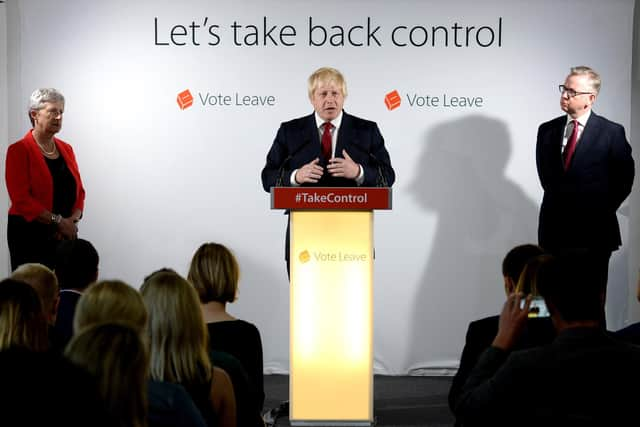
Percy and Stern uncover the meetings and conversations that took place away from public consciousness, unravelling the rivalries and betrayals that tore apart both campaigns.
Viewers gain insight into how Mr Cameron tried to persuade Mr Johnson to back the remain side of the debate, for example. The documentary explores how he instead came to the decision to throw his support behind Vote Leave, with Mr Johnson telling the camera that “Everybody says I did this in order to be PM. (But) I would have become Prime Minister anyway”.
Stern reflects: “I was surprised when he blurted out that it was nothing to do with his political ambitions - as that goes against the conventional wisdom. But I was also particularly interested to learn about the influence that his then-wife had on his decision-making.
“It's very unusual in documentaries Norma makes that you interview anyone who isn't a top civil servant or someone elected to high office. Actually, to hear from Boris Johnson’s then-wife about the intellectual reasons and discussion she was having with him, I think went a fair way in changing the narrative about - believe it or not - why he took that decision.”
The documentary also focuses on the actions of the then leader of the UK Independence Party (UKIP), Mr Farage, who was “first off the mark” in preparing for the Brexit vote.
“Farage and his team identified very early on that the key to winning this referendum was to target working-class voters in the Labour heartland,” says Stern. “Since 2016, what's been known as the red wall has been a tipping point in terms of British electoral politics. And I think it's really interesting that Farage and his team were the ones to identify that.
“One of the other things that I came away thinking, particularly after the interview with Jeremy Corbyn, is that he gets a lot of stick for not being full throttle ‘remain’ enthusiastic…but I wonder with Farage making the inroads that he was making in those working class areas that felt left behind, would he really have persuaded those voters by going full throttle ‘we've got to remain in the EU’?
“Maybe his argument about workers rights and need for reform, as nuanced as it was and as difficult to understand, was a bit more on the pulse than people thought.”
There’s one particular question that Stern has repeatedly been asked since making the show - did anyone express regret? “We never ask people that in the way that these are made, but I certainly didn’t get that sense,” he says.
The vote was, of course, a consequential decision, the ramifications of which are still felt ten years on. It’s why, Stern believes, the documentary is important “for the sake of history”.
“It's the only time really that all but one of the key players have sat and given their account on the record.”
“To actually be able to see the big players and hear those words coming out of their mouths, I think is really important,” he reflects. “And it allows the viewer to decide themselves based on what's in the series whether or not they think these people were serious, whether or not they think they cared, and what their motivations were.”
Brexit: A Very British Civil War is available to watch on BBC iPlayer.