
Bombed-out cinema that's the last surviving reminder of the Hull Blitz could re-open as a memorial
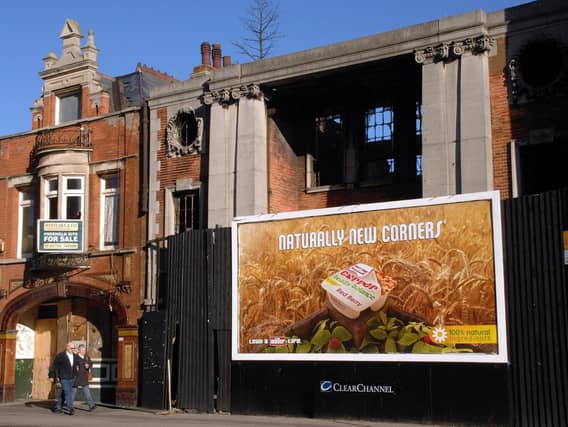

A Blitzed cinema that is the last remaining civilian bombed site in the north of England could finally re-open as a memorial next year.
An audience was enjoying the Charlie Chaplin movie The Great Dictator in the National Picture Theatre on Beverley Road, Hull, when an air raid began on March 17 1941.
An air-borne mine landed right on top of the rear of the building destroying the screen and reducing most of it to rubble. But around 150 people sheltering in the foyer remarkably survived unscathed.
For more than 20 years campaigners have been fighting to save the ruins as a monument to the ordinary civilians who served on the Home Front.

Now hopes are rising that with the help of Hull Council, and a successful National Heritage Lottery Funding bid, it will finally reopen next Autumn for activities, school visits and re-enactments - and even film shows at the site.
Contractors will arrive on site on Monday to begin remedial work.
Hilary Byers, from the National Civilian WWII Memorial Trust, said: “There’s a real sense of achievement. We have talked for so many years about what ought to happen and we are now really making it happen
“We need to give credit to the very hard work done by the council’s major projects team. I don’t know if we could have managed it without them.”

She added: "It is the last remaining civilian bombed site in the north of England and in the country as a whole it's the only one that really links ordinary citizens with what happened to people in the Blitz.
"People went to the cinema in the war to watch newsreels and enjoy the cartoons.
"A sign would have come up on the screen saying there was a airraid alert and by that stage people were quite used to it and they moved into the foyer, under the balcony, which was reinforced concrete. They were safer there than going into the street.
"If they'd gone out into Fountain Road they'd have probably been blown into smithereens.
"They had an extremely lucky escape.
"We hope to put on activities, reenactments, talks and film shows. A lot will depend on whether we can construct a shelter."
A £289,000 bid to the National Heritage Lottery Fund will be submitted in August and if successful work will begin next Spring, with the council contributing £188,000.
Councillor Daren Hale, Portfolio Holder for economic investment, regeneration and planning, land and property said:“The building is incredibly important to Hull so it is imperative this work goes ahead to protect the remains.
“It is listed nationally and is the last surviving civilian bomb-damaged building from the Second World War.
“We are working hard to ensure the bid to the National Lottery Heritage Fund is as comprehensive as possible and already have overwhelming support from residents.”
During the Second World War Hull was the most heavily bombed British city outside London.
Then Home Secretary Herbert Morrison wrote in his memoirs: “In my experience the town that suffered most was Kingston-upon-Hull.”