
Candlelighters at 50: 'Children's cancer charity is scaffolding that holds families up in darkest times'
Candlelighters children’s cancer charity has been supporting families in Yorkshire for 50 years. Laura Reid finds out about its impact and how it has evolved since its founding in 1976.


When Keith Hardcastle’s then three-year-old son Harry was diagnosed with an aggressive cancer back in 2006, the family were told the little boy had only two weeks to live.
“It was a very tough time. Your whole world just falls apart around you,” says York-based Keith. “You can’t do anything, you’re totally helpless and relying on everyone else. One morning in hospital, a lady from Candelighters woke me up with a cup of tea and said ‘he’s alright, he’s made it through the night’. And those little things really help you through.”
Keith is chair of the board of trustees of Candlelighters, a Yorkshire children’s cancer charity, which this year is celebrating its 50th anniversary. He began fundraising for the organisation in 2007, joining the trustee board two years later, before becoming chair in 2020.
When Harry was diagnosed with non-Hodgkin’s lymphoma, Keith and his family were helped by Candlelighters, which provides emotional, practical and financial support for those affected by childhood cancer, as well as investing in vital research.
Harry defied the odds. He underwent two years worth of treatment and is now aged 22 and enjoying life at university. But the impact of his cancer diagnosis is still felt by the whole family. For Harry, it’s meant lasting physical issues as a result of intensive treatment as a young boy and both he and his sister have received psychological support to help them cope with the mental turmoil of what the family went through.
“The cancer treatments can really interfere with everything,” Keith notes. “It does affect children for the rest of their lives really. We’re testament to that as a family. This is a great opportunity for me to give back and make sure the charity is there for anybody else going through this because it is the most horrendous thing.”
Childhood cancer care has changed beyond recognition since Candlelighters was founded in 1976. Back then, treatments were limited, support was scarce and families often felt isolated. There were no specialist childhood cancer units and care was delivered to children on general wards alongside adults, leaving their weakened immune systems exposed to the risk of infection.
In Leeds, a small team of hospital workers who cared for children with cancer at Seacroft hospital began to make the case for a dedicated outpatient unit and waiting room. They turned to parents to help them raise £90,000 so they could bring the vision to life. As people came together to fundraise, many met others like them for the first time and a community started to grow.
What began as the Leukaemia Fund for Seacroft soon became Candlelighters charity, inspired by a similar parent-led group in the US whose name captured two powerful images – one of a parent keeping vigil over a sick child by candlelight, and another of a flame of hope kept burning until a cure can be found. Over the decades, supporters of the charity have helped fund better care, specialist roles, life-changing research, and family support.
In 1992, for example, the charity fully funded the set-up of the Candlelighters Children’s Cancer Research lab at St James’ Hospital, focusing on neuroblastoma and Ewing sarcoma. Sally Amos was involved in the fundraising campaign, having become a trustee for the charity in the years after her daughter Vanessa was diagnosed with bone cancer in 1984 at the age of 14.
“I wanted to raise some money to say thank you for the wonderful treatment she had,” recalls Harrogate-based Sally, who later went on to become charity secretary for nearly 20 years. “These days, because the charity is raising a lot more money (than it was back then), they’re able to provide a lot more, which is wonderful because it’s so difficult and stressful having a child treated for cancer.”
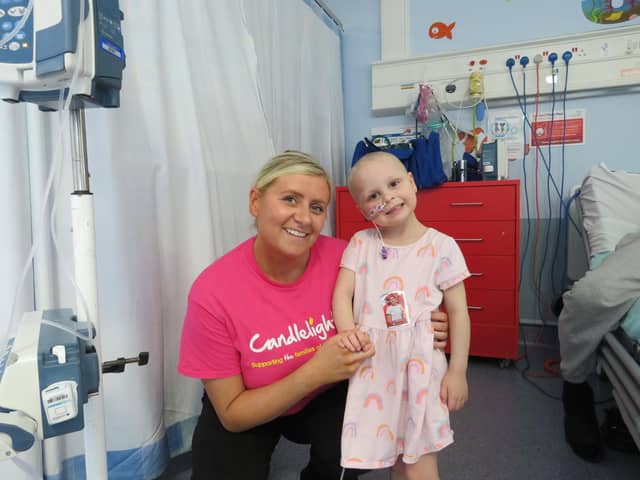
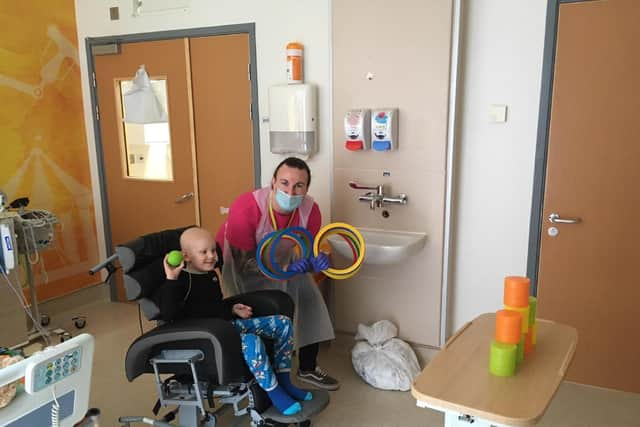
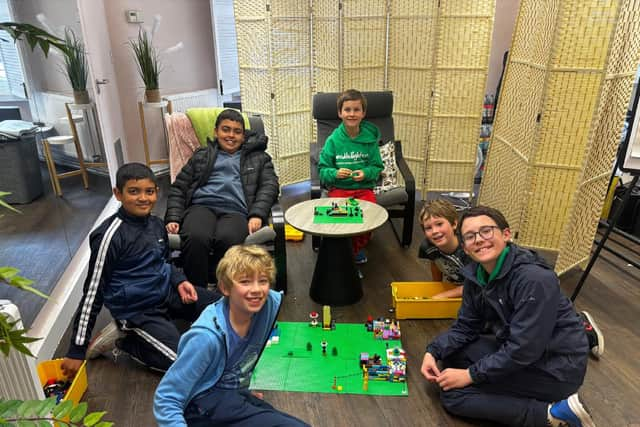
The charity offers emotional support to help ease isolation and anxiety for children and families, providing services such as talking therapy, wellbeing sessions and a space to connect with others at its The Square support centre. It also focuses on support to address practical challenges like lengthy hospital stays, caring for siblings and travelling for treatment, including by providing accommodation at Candlelighters Cottage - and it gives financial grants to help parents who may find themselves needing to give up work to care for their child.
It provides support workers based on the wards at Leeds Children’s Hospital and in the community, offering everything from a listening ear to essential items like food vouchers and laundry services, and the charity also funds holidays and events that allow families to create memories away from the hospital environment.
Candlelighters’ other major focus is on research and it has invested more than £11 million into cancer research in the last 25 years. In 2014, the charity launched a fellowship at the University of Leeds to enable clinicians to undertake a PhD and increase the amount of study being done on children’s cancer. Three years ago, it also launched the Candlelighters Supportive Care Research Centre in collaboration with the University of York—the world’s first dedicated centre focused on improving the quality of life for children with cancer and their experience of living through illness and beyond.
The impact of cancer treatments on children’s bodies can be severe and supportive care can help prevent or reduce side effects, explains Candlelighters’ CEO Emily Wragg. The £1 million partnership has been focusing on areas including using red light therapy to prevent severe mouth ulcers which can leave young people unable to eat or swallow, exploring ways to reduce persistent sickness and nausea, and looking at which young people can safely return home from hospital during treatment.
Emily, who has been with the charity for ten years, says: “There’s so many different things to look at around the side effects that treatments can cause and that’s really where the focus of the centre is - and the psychological impact as well for the child and the whole family. The centre fits perfectly in terms of research, as our frontline delivery is about being that holistic support mechanism for the child and the whole family.”
One parent describes the charity as being the scaffolding that holds you up through a cancer journey. “When a child’s diagnosed, the whole family’s life genuinely is turned upside down,” Emily says. “Candlelighters is there from day one and we’re there to make things a little bit more bearable through that journey every step of the way...
“The impact of cancer doesn’t suddenly stop when a child finishes treatment. They can be on treatment for two or three years surrounded by medical professionals and then all of a sudden might finish treatment, go home and life is very different...Our role really is to empower families to create that new normal but to know that they’re not isolated and on their own.”
Those behind Candlelighters hope it can continue its work for many more years to come. As the charity marks its 50th anniversary, people are being encouraged to take part in a whole range of 50-themed challenges, from climbing 50 hills to doing 50 football tricks in the garden, to help raise funds to support it into the future.
“I can’t put into words how humbling it is to see the impact of what we do and how privileged I feel leading us in the 50th year of the charity,” says Keith. “We’re in our 50th year in a very strong position but as ever, there’s a lot of pressure on us, our costs have risen and we can’t always do everything we really want to do. That’s hard, but we are fit and ready to take on what is coming in the next decade.”
- To find out more and support the charity, visit candlelighters.org.uk