
ClockWork Films: The Leeds-based production company that launched in lockdown
Laura Reid speaks to Heenan Bhatti, the founder of ClockWork Films about starting up during the pandemic and surviving a turbulent time in TV.

Some might have questioned Heenan Bhatti’s decision to launch a television production company whilst the world was in the grips of the Covid pandemic. In response to the national lockdown measures in early 2020, production within the UK ceased to a significant extent, with businesses in the industry suffering major losses and TV programmes being delayed or abandoned. Somehow, Bhatti wasn’t fazed.
“I guess when you look at it in the cold light of day, it was an unusual decision (to set up at that time), let’s say, a lonely decision in many ways,” he reflects now. “But it felt like okay, let’s do it. You’ve got to do it sometime, whether that’s in lockdown or not. You have to take the plunge.”
Bhatti had been in the industry for quite some time, swapping print journalism for the small screen early in his career and then working his way up in the freelance world from researcher to executive producer.

By the time he launched ClockWork Films in 2020, he’d worked on prime time shows for a range of broadcasters including A Very British Wedding for the BBC and Derren Brown Investigates for Channel 4. In 2018, the latter had announced plans to base its new National Headquarters in Leeds.
“So it did feel like quite a good time to start a production company here,” says Bhatti. He’d just come to the end of a previous project with the BBC and soon afterwards secured ClockWork’s first commission - a mini series for Channel 4 called Ramadan in Lockdown.
“Originally I thought [ClockWork] was going to be more of an ideas company, where I’d work on ideas perhaps with other people and take those to other companies to make,” Bhatti explains. “But in the end we started being a fully functioning production company from the get-go.
“When we set up in lockdown, nobody could meet. We couldn’t go and film people so we got Muslims around the country to film their own experiences of Ramadan in lockdown on their phones and send them to us.
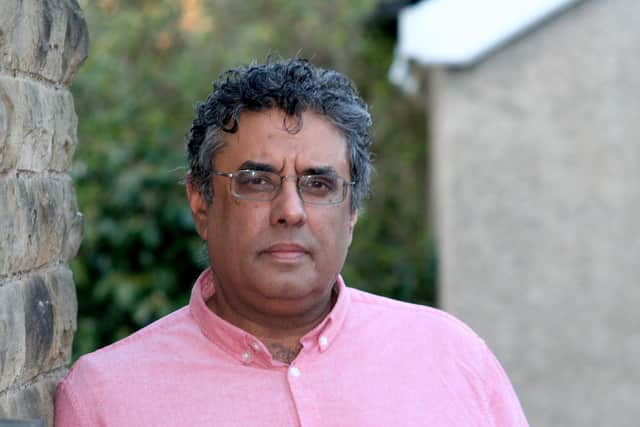
“We cut some very good films out of them. I was really proud of them. They’re very energetic and surprising in tone. They really did paint a snapshot of Britain and Ramadan Muslims during that time.”
Those early days saw Bhatti and his team work remotely - a model which the company still follows today. It has no physical base, only a virtual office and though it works largely with staff based in Yorkshire and the North, Bhatti does hire from all over the country.
Leeds, he says, is a “vibrant and independently-minded” city. He moved to the area with a work project two decades ago, having grown up in London. “If you compare the region now to what it was when Yorkshire Television disintegrated, it’s chalk and cheese,” he says.
“That was the big beast and I think Yorkshire after that really shrunk (in terms of television production) - just a number of independent companies and it felt quite small.
“Since that time it has grown and grown. It’s become quite a player has Yorkshire as a region in television. Look at the independent companies doing brilliantly, look at the output here, whether it’s Yorkshire-centric (content) or whether it’s Yorkshire companies making (other) television programmes, on both levels it has increased sizeably…
“The fact that Channel 4 came to Leeds is a statement too - it’s added to the culture and visibility of Leeds on the television landscape.”
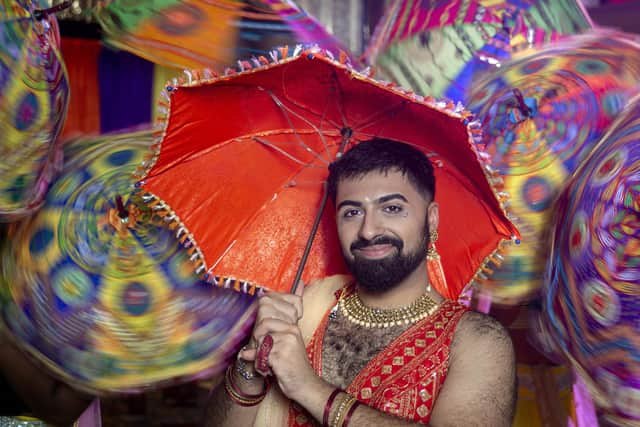
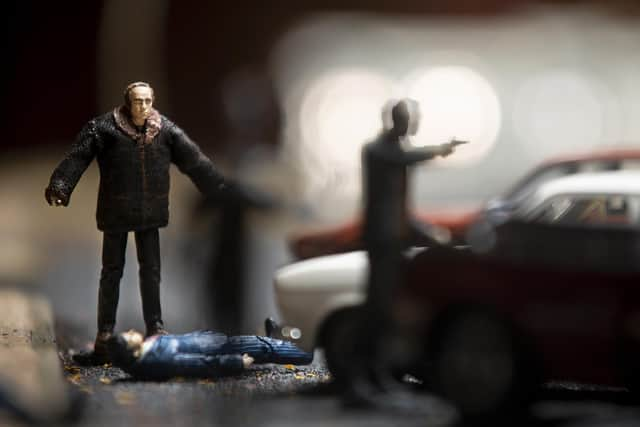
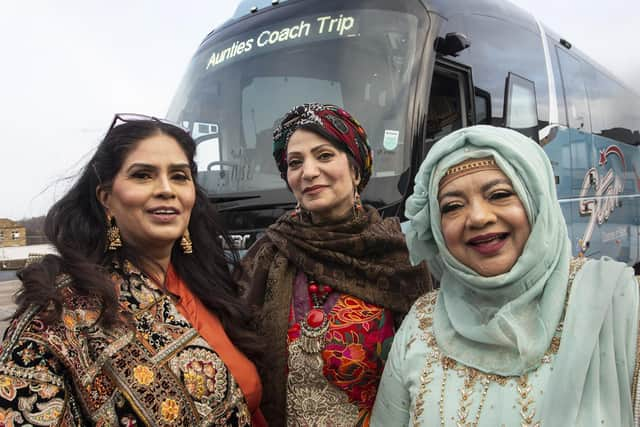
Within that landscape, ClockWork produces content across all factual genres and has been behind documentaries such as Princess Anne: The Plot To Kidnap A Royal, The Yorkshire Ripper’s New Victims, Bend It Like Bollywood and The Bradford Aunties, as well as short films for Stand Up To Cancer and The One Show.
“We like to say something about the world in our work, putting people and stories at the heart of what we do,” says Bhatti.
“Also we’re quite passionate filmmakers. So we’re interested in the form as well as the content. We like our films to have a certain style…We put a lot into not only the content and the editorial but also the form, the production values.”
The company also takes pride in training and mentorship, supporting individuals on their career journeys in television.
“You always want to be growing with every job you do and I feel at ClockWork they are into developing you,” says Hannah Blackwell, a producer and director who worked on Bend It Like Bollywood for the BBC. “It’s very nurturing.”
Farah Qayum worked as an executive producer on the same show, which explores the intersectionality of life for people who identify as members of the LGBTQ+ and South Asian communities.
It’s one of a number of projects she’s done with ClockWork, including being there at its inception with Ramadan in Lockdown. “That was an exciting time to be producing something different when a lot of people stopped working,” she says.
Originally from Bradford, Quayum is now based primarily in London. She considered moving back to the region a few years ago but says since then there has been a “massive contraction” in the traditional television industry as a whole “because of the increased programmes from streamers… plus the expansion of content creators”. TV programming now feels “high end” or “low budget”, she says, with a reduction in the middle market, and regional production companies in particular are likely feeling the pinch, she believes.
“Fewer, bolder, better” are the buzzwords coming from commissioners, Qayum says. But she’s optimistic Yorkshire has a place within that.
“People love Yorkshire and people love Yorkshire content.. We’ve got great writers, great creators, great characters, great stories and a rich history. I feel like people will always want that as an audience.”
Television is still in a state of flux, Bhatti notes, with the audiences on the main terrestrial channels shrinking, budgets being squeezed and people turning to online streaming.
“I think there is still a place for the traditional model where we pitch and try to get projects commissioned by broadcasters,” he says.
“But we should also be thinking and we are thinking how to live and grow in this new digital world, whether that’s bringing different funding models to the table, looking at YouTube and thinking about how we can do that, or looking more at going to streamers and international broadcasters.”
“At ClockWork we’ve been sensible,” he continues. “We’ve not overstretched and we’ve survived quite a turbulent time in television when a lot of companies have gone bust.
“I’m very proud and for a small indie I think it’s an achievement…I’m really proud of the programmes we’ve made. I think we’ve made some really stunning pieces of work that I hope people watch and appreciate. They’ve won awards and people have loved them. Ultimately that’s the prize for me.”
Visit www.clockworkfilms.co.uk