
“I'm a professional forager for The Tommy Banks Group - here's what I'm picking this September”
Autumn is the season of harvest festivals and hedgerow fruits.

For Yorkshire residents getting excited about cooking new dishes, September is a prime time to delve into the world of foraging.
Richard “Dickie” Jack, 37, is the Head of Farm Production, Foraging & Preserving at The Tommy Banks Group. Alongside garden produce, he has spent years gathering wild ingredients across the Yorkshire countryside — from wild garlic to sloe berries.
“I'd always had an interest in growing stuff,” says Dickie, who has worked as a chef since he was “15 or 16 years old.”
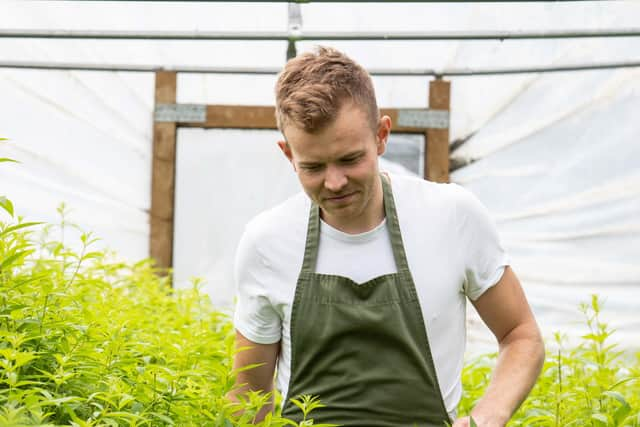

Starting as an assistant gardener at The Black Swan, he began helping the kitchens with preserving produce in 2019. From there, his responsibilities grew, and he currently manages a foraging team of three.
The Tommy Banks Group has a portfolio of restaurants in North Yorkshire, including the Michelin-starred Black Swan, which adopt a farm-to-fork philosophy.
“We start early between 6am and 7am,” says Dickie, who oversees the foraging, harvesting, and preserving of produce. He also liaises with the chefs and beverage team — in seasonal restaurants, menus are constantly redesigned based on what ingredients are available.
“At The Black Swan, we’re usually changing a dish every two to three weeks,” he explains. “But it might not be a complete change, it might just be replacing kohlrabi with courgettes or tomatoes with carrots.”
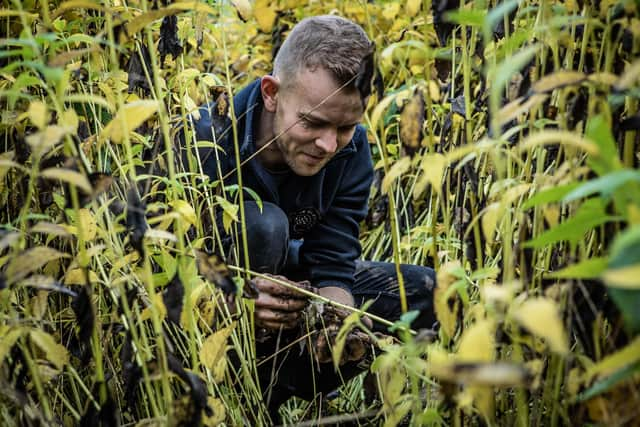
For some produce, the clock is ticking. “With brambles, I think people think of them as a September or almost October fruit,” says Dickie, “but really August is their season in this area.”
At the moment, his foraging team is particularly busy with elderberries. “We pick a lot of elderflower in June, but then the berries are something that all the chefs love as a preserved product,” he says.
“We're just moving past 25kg of pickled elderberries this week,” he says. “You have to find them, forage them, bring them back, and then we'll actually pick every single individual berry off a branch.”
“It’s a huge amount of work, but very, very satisfying to do once it's all completed.”
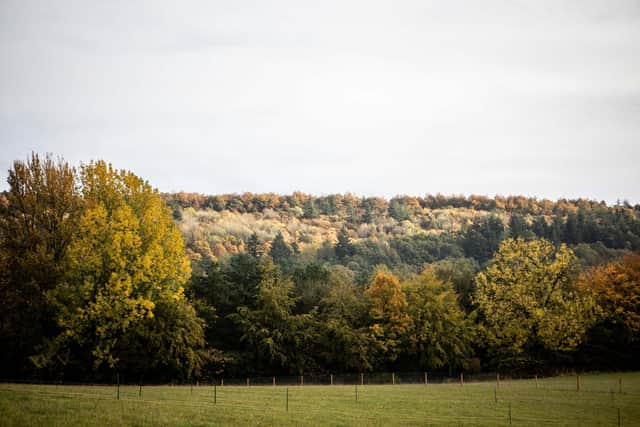
For beginners looking to gather their own “wild” food, Dickie has some sage advice: “With foraging, identification is important because there are numerous toxic lookalikes.”
“When you've been doing it for a long time, the difference is quite striking,” he explains, “but it's really important just to know what you're actually picking.”
That said, according to Dickie, autumn is a good time to start.
“This season is probably the best one because you can easily identify things like sloes and make sloe gin,” he says. He also recommends foraging to make bramble or crab apple whiskey.
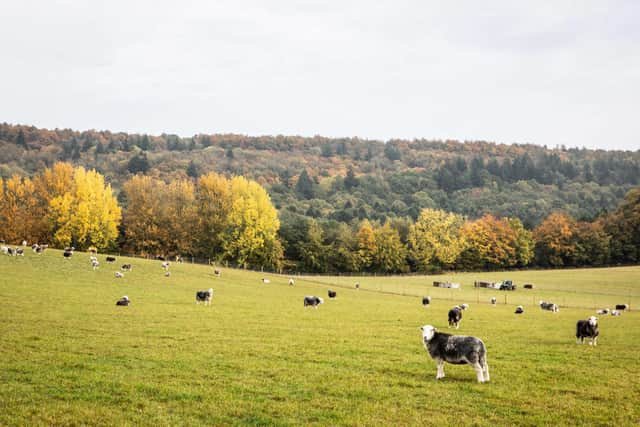
“One thing that we like to do is take all of the fruit that's been steeped in alcohol (like sloes and crab apples) and then just simmer those up into a stock,” says Dickie. “Add sugar and pectin and set that into a jelly.”
“You've got a boozy fruit jelly that you can have with cheese or like a chicken parfait.”