
'Marriage reform could boost employment, support Yorkshire economy and give couples more choice'
Stuart Morris made his career in technology and internet security. But after a breakdown and suicide attempt in 2013, his attention shifted to rites of passage – and how they could transform a family’s experience of the highs and lows of life.

Formerly involved in the church, he delivered his first funeral 31 years ago, and conducting rites of passage became a side quest alongside his day job.
But after moving away from Christianity, Stuart trained as a celebrant and made weddings and funerals the new primary focus of his life.
The 58-year-old, from Malham, North Yorkshire, founded and runs The International College of Professional Celebrants, launched in 2018.
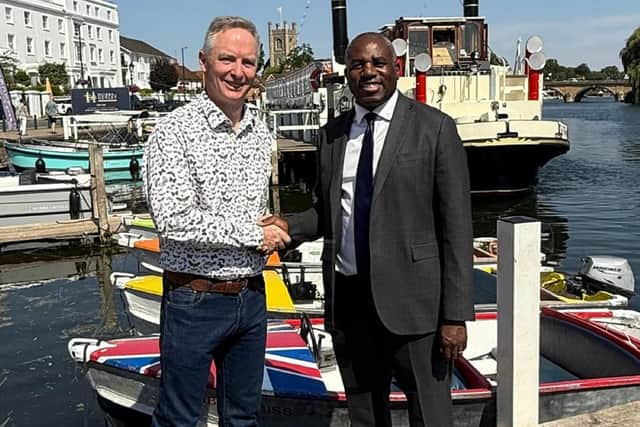

“I recognised there was a massive void in the education offered and it was then that my entrepreneur-self kicked in,” he says. His firm teaches everything a celebrant needs to celebrate any milestone.
Last month, Stuart joined the former Deputy Prime Minister David Lammy in London as the Government announced its intention to reform wedding laws and launched a consultation period on the proposals.
The changes to rules in England and Wales could help cut the costs of weddings and mean two ceremonies are no longer required to cover different faiths, the Government said. The current system means some couples have two ceremonies – one where they feel their beliefs are best reflected and another making their marriage legal.
Currently venues are licensed for weddings but the plans propose changing that to the celebrant, allowing couples to marry in any location.
Under the consultation, running to September 24, forests, beaches, castles, canal boats and cruise ships could become places to legally marry.
Stuart, who was invited to be involved in the launch following years working directly with the Ministry of Justice, including as part of the Wedding Celebrancy Commission, says the reform would be a “democratisation of marriage”.
“In England and Wales (at the moment), only registrars and ministers of certain recognised religions can legally conduct a wedding, leaving couples with little choice over who marries them, how personal the ceremony is, or even whether they meet their registrar before the day.
"Every couple deserves a ceremony that actually reflects who they are, not a script written for someone else.”
As well as giving couples more control over their big days, Stuart believes it could help them to save money and could also have a positive impact on employment and the local economy (with more venues able to host marriages).
"If we see an increase in the number of people getting married, which is definitely what’s going to happen, then we will see an increase in employment,” he says, adding: “Because Yorkshire has such variation in its settings, people marrying here can have whatever they want and that’s a benefit, that choice.”