
Secret stories of Fewston churchyard revealed after studying graves

A HIDDEN history has been revealed with stories of those who are buried in a graveyard.
When Washburn Heritage Centre was built in the grounds of St Michael and St Lawrence Church, in Fewston, near Harrogate, in 2009, graves had to be moved.
The excavation of the graves revealed 154 individuals, called the Fewston Assemblage. The size, location, and age of the Assemblage meant that it had “global significance” to archaeologists.
Now, with new grant funding agreed, a five-month programme of events begins to explore the stories behind the people buried and later re-interred there.

There are the diaries of John Dickinson, known as Timble Man, and the workers who emigrated to the US.
Then there are harrowing findings about starved pauper apprentices, with children sent to work in the mills of the Washburn Valley from London or further afield.
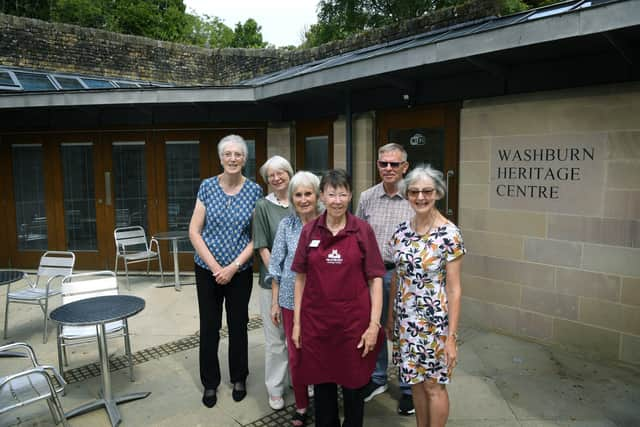
The Washburn Heritage Centre, with the Universities of York and Durham, shines a light on their lives in a programme of walks, talks and events as part of the Churchyard Secrets Shared project.
Sally Robinson, project leader, said it has been like building a "jigsaw puzzle", crafting a framework with facts before filling in the middle. "We've made some remarkable discoveries," she said.
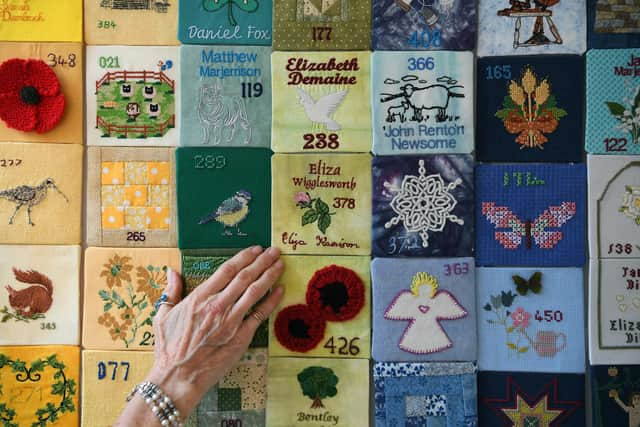
"All the way through we've tried to work with integrity, so that the descendents are confident about what we were doing with their ancestors."
With digital interpretation and learning resources for schools, Churchyard Secrets Revealed has been awarded £70,445 by The National Lottery Heritage Fund.
There are talks on the story of the churchyard's excavation, an exploration of artefacts, and an investigation into what the remains can tell us about the nutrition of the pauper apprentices.
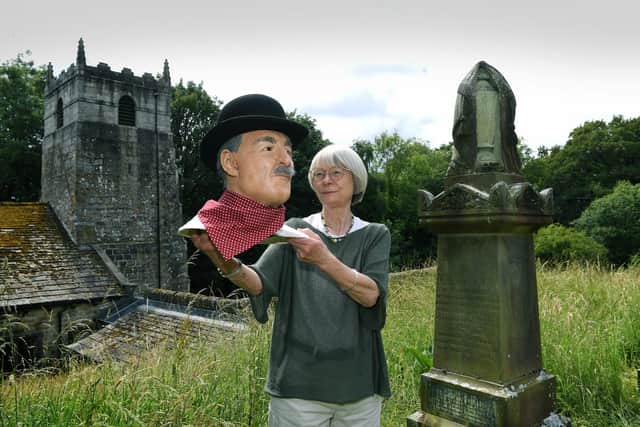
Some of the characters are brought back to life, with facial depictions and voices from Liverpool John Moores's Face Lab, and simulations of the spread of the Black Death.
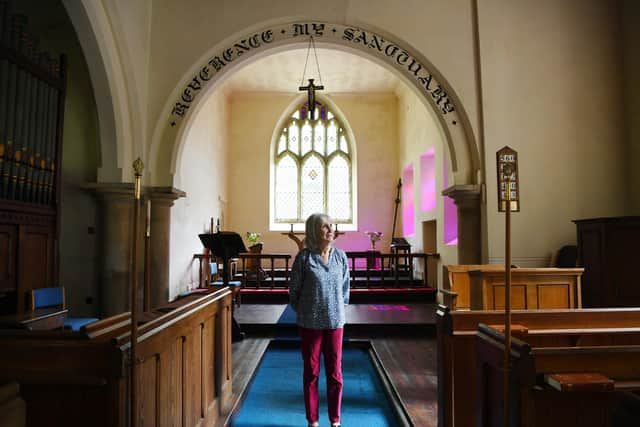
There is also a pub supper with songs from the Washburn Valley, heritage open days, a market and a play, voiced by some of the families' descendents, as well as poetry and printing workshops, book groups, and a creative writing workshop inspired by the headstones, as well as walks from the old cemetery to the new.
This is the third grant, with earlier ones funding the centre and extensive scientific and family history research.
The latest project will show how people lived and how they travelled through the Washburn Valley.
Mikki French, researcher and member of the project team, said: "It's a bit like being a detective – it's amazing what we've found. It does make you want to find out more.
"We might think it's very 'insular' in these valleys – it's not," she added. "It's a fallacy that people didn't move far because they did. They would travel hundreds of miles, and mostly in pursuit of work. It's amazing, and so interesting. Now it's bringing people in from a wider audience."
For the full programme visit washburnvalley.org