
Piwi: Christine Austin looks at the grape worth sampling
How many wine grapes can you name? If you have read this column for any length of time you are probably well-acquainted with many of the varieties regularly used to make wine.
Grapes such as Chardonnay, Pinot Grigio, Riesling and Sauvignon Blanc immediately spring to mind, and given a few minutes to think about it, a few more can probably be added to the list. It is the same with red grapes. Cabernet Franc, Cabernet Sauvignon, Grenache, Malbec, Syrah and Zinfandel are all favourites. In all, you should be able to navigate your tastebuds around two dozen grape varieties without a problem. But there are around 10,000 grape varieties that we know and about 4,000 of those are regularly used for making wine in some part of the world.
And yet that is not enough. Scientists are constantly crossing varieties to make new ones that have particular characteristics, and in these days of climate change it is important that new varieties don’t just taste good. They also have to be able to withstand heat waves, drought and hopefully the various diseases that afflict large areas of single cultivar plantings.
Piwi is a term regularly being used to describe this new set of grape varieties. It stands for Pilzwiderstandsfähig which translates as fungus resistant and the important thing to remember about these new varieties is that they have arrived through the classic horticultural method of crossing two plants with different characters and seeing how those properties show up in the new plant. There has been no genetic modification to make these new varieties. The key component in many of these new vines is the American wild vine, Vitis Labrusca. This is much more resistant to fungal diseases than the classic European wine, Vitis Vinifera, and generally it forms looser bunches of grapes, which again helps prevent fungus growing on the bunches. Because Vitis Vinifera and Vitis Labrusca are different species of vines, the result of this crossing is called a hybrid.

Fungus-resistant grape varieties are good, because they don’t need so many sprayings as they ripen. Even organic grapes are sprayed regularly with permitted, natural ingredients. Reducing the number of sprayings has a knock-on effect of reducing the number of times the grower has to drive his tractor up and down the rows. That saves fuel and emissions but also means that the soil isn’t compacted by a tractor, which is much better for growing the vines. It is a win-win for viticulture and for sustainability.
The main problem with these new Piwi varieties is that they are unfamiliar to consumers and it takes a long time for new names to be accepted in wine. That is why some Piwi varieties are often tested by adding small amounts to bigger blends of well-known varieties.
The surprising thing about Piwi varieties is that are older than they appear to be. A lot of research was done 40 years ago, developing new varieties, but at the time there was little use for them. Now, climate change and the need for sustainable methods has made them more important. Many English grape growers are firm fans, because in our mainly maritime climate it is easier to grow fungus resistant grapes. Varieties such as Solaris, Seyval Blanc, Rondo and Regent are well established and are making good quality wine. Even so, the major producers of top-notch English Sparkling Wine are consistently sticking to the well-tried classic combination of Chardonnay, Pinot Noir and Meunier.
In the south of France, I have tasted dozens of new grape varieties which have been developed to withstand the challenges of climate change. Many of them only had numbers, not names, and at the time had not yet been approved for commercial distribution, but they all made good wines with intriguing characters and flavours.
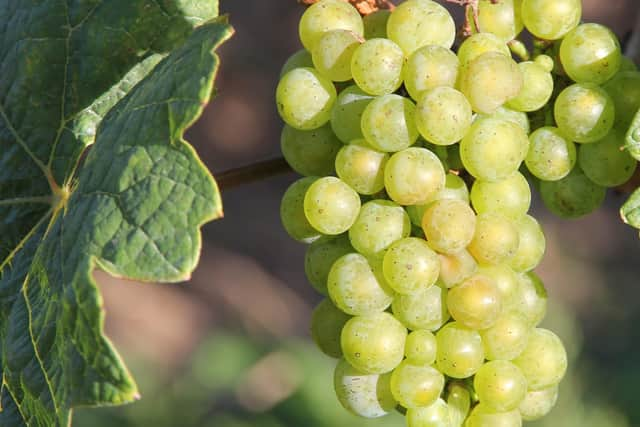
If you want to try approved, commercial wines made with Piwi vines then head for these examples.
Floreal 2025, Vin de France, Tesco £8.25: This was introduced into the Tesco range a couple of years ago and its flavours have been improving ever since. The first release was light and fresh, but was weak in flavour, however subsequent vintages have seen more fruit and character. This latest release is a fresh-tasting dry white wine with a light, perfumed aroma, ripe citrus notes with hints of passionfruit and melon. It is a delicious aperitif wine, and it goes well with salads and grilled fish.
The Floreal variety is a hybrid developed from two other hybrids, Villaris and Muscadinia rotundifolia, each one contributing specific flavours to the final wine. This is hardly a new variety since Villaris was developed in the 1980’s.
Paul Mas Sauvignon Blanc Souvignier Gris, France 2025, Tesco £10 Jean-Claude Mas has blended his bright, zesty Sauvignon Blanc with 45% of Souvignier Gris to make a softer, rounder, peachier dry wine that has the character of both varieties. Souvignier Gris is an offspring of Cabernet Sauvignon and Bronner which is itself was specifically developed in the mid 1970’s to resist powdery mildew.
Blueprint English Dry White 2025, Waitrose £10.25: There is just a 4.5% splash of Solaris in this wine which is essentially a blend of Ortega, Bacchus and other grapes, but it seems to lift the aromas and freshness. This is an outstanding wine made by John Worontschak who works with Denbies and other UK estates as well as many producers in Australia and in Eastern Europe. The inclusion of Piwi grapes may have helped the producer achieve important sustainability targets.
No.1 Coteaux d’Aix en Provence Rosé 2025, France, Waitrose £15: I liked this wine the first time I tasted it, mainly for its 51% Grenache which provides bags of elegant, red fruit flavours. Going back to check the other components, I noticed that it has13% of Cabernet Blanc in the mix along with Cinsault and Syrah. Cabernet Blanc is a Piwi grape developed 30 years ago using Cabernet Sauvignon and Regent, which is itself a Piwi variety. This own-label wine is made by Mirabeau, which was one of the first estates in France to achieve Regenerative Organic Certified status. This means that they take just as much care of the environment as they do of their wines. Perhaps this is why they are trialling Piwi vines.