
Analysis: the many missteps that brought down Sir Keir Starmer
Along with Sir Keir Starmer’s apparent lack of direction and nous for communication and politics, there were a number of easily avoided own goals.

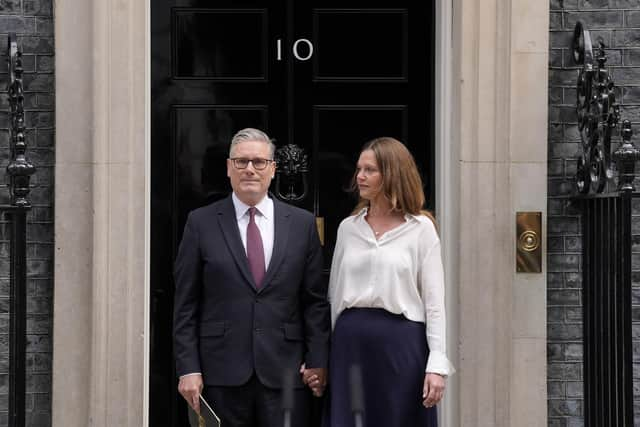
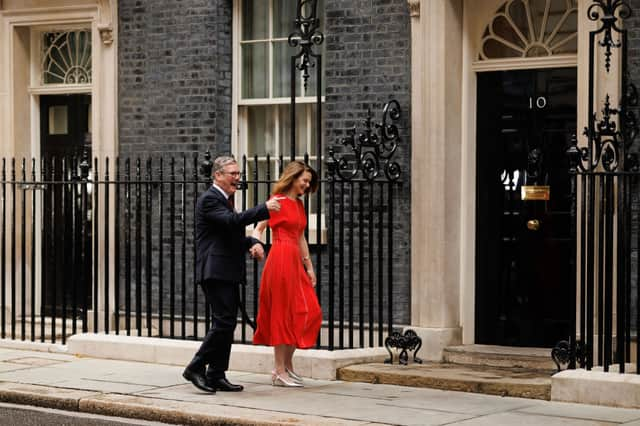
It was a hot summer’s day as I watched Sir Keir Starmer walk along Downing Street to jubilant cheers having just secured a landslide victory for Labour in the general election.
People talked of him holding the keys to No10 for a decade, after the Covid lockdown parties under Boris Johnson and the financial chaos of Liz Truss.
However, on a similarly sweltering day less than two years on, the lectern was back out and Sir Keir was announcing he would resign by the end of the summer.
Not long after securing a majority of 174 seats, he was set to become the shortest-serving Labour Prime Minister ever.
So how did we get to this point? Along with Sir Keir’s apparent lack of direction and nous for communication and politics, there were a number of easily avoided own goals.
One of the first was the decision to dramatically cut the winter fuel payment for pensioners.

This saw The Yorkshire Post receive a raft of letters from people who had voted Labour for the first time in 2024, but were already saying they never would again having felt betrayed.
This was the first of many U-turns which saw support from MPs begin to waiver, and it started a decline in Sir Keir’s popularity, from which it never recovered.
Another of these was the plans to cut welfare spending to pay for defence. This was met with rebellion by Labour MPs, and from then on it was clear that Sir Keir could not command the Parliamentary Labour Party (PLP).
This decision had a further knock-on effect. With the Government unable to find as much money as originally pledged to fund the Armed Forces, Defence Secretary John Healey quit in one of the final blows for the Prime Minister.
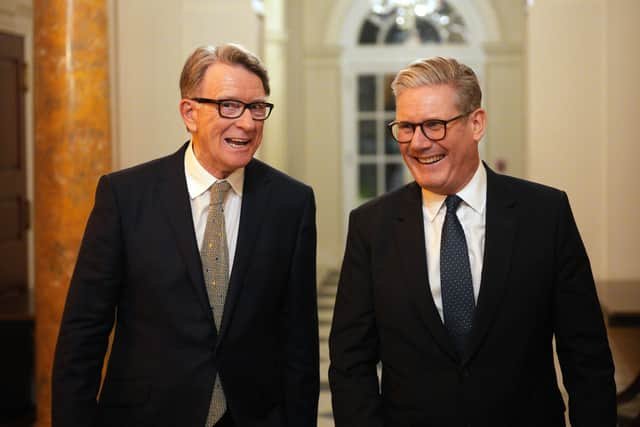
A long running saga was the decision to appoint Lord Peter Mandelson as US ambassador, one which I imagine was probably Sir Keir’s biggest regret.
He made this on the advice of his long-time confidant Morgan McSweeney, while knowing of Lord Mandelson’s previous relationship with Jeffrey Epstein.
Initially Sir Keir sought to defend his ambassador, but after the release of further messages showing the peer had remained in contact after Epstein’s first conviction in 2008, including a message from Lord Mandelson urging him to fight for early release, he was sacked.
It was the start of a slow-motion train crash, and one from which the Prime Minister never recovered.
If the Lord Mandelson scandal was the most salacious of Sir Keir’s time in power, in my opinion the original sin was of the election pledge not to increase income tax, national insurance or VAT.
If there was ever going to be an election that Labour was able to win without making these kinds of promises on tax, then it was 2024, with the Conservatives on their knees and Reform actually helping Sir Keir in the first past the post system.
Instead the pledge limited his ability to raise funds to help with the cost of living and bring about change, and led to meddling with marginal taxes, such as winter fuel inheritance tax on farmers and national insurance for businesses.
As these tax rises affect specific groups, it has looked like Labour was targeting farmers and pensioners.
The tipping point for many MPs was the May local elections. Labour was decimated across Yorkshire, losing every single majority - even in Leeds.
Sir Keir’s fate was sealed with Andy Burnham’s performance in the Makerfield by-election. In one of the most pro-Brexit seats in the country, he won 55 per cent of the vote, more than both Reform UK and Restore combined.
This apparent ability to take on Nigel Farage secured Mr Burnham as Sir Keir’s successor. Now the former Greater Manchester Mayor’s path to No10 appears secure.