
Barnsley: Early plans for 230 new homes in Wombwell approved
Barnsley Council’s planning regulatory board voted to grant outline planning permission for the development on 7.4 hectares of farmland south of Pit Lane, following a recommendation from planning officers.
The application, submitted by Crest Nicholson, was for access only, with details such as the layout, appearance, landscaping and scale of the homes to be decided at a later stage through a separate reserved matters application.
Access to the site will be taken from Pit Lane, which will be realigned to create a new priority junction into the development.
Although the site is designated as safeguarded land in the council’s local plan, officers said the authority is currently unable to demonstrate a five-year supply of housing land, meaning national planning policy weighs in favour of approving new housing schemes.
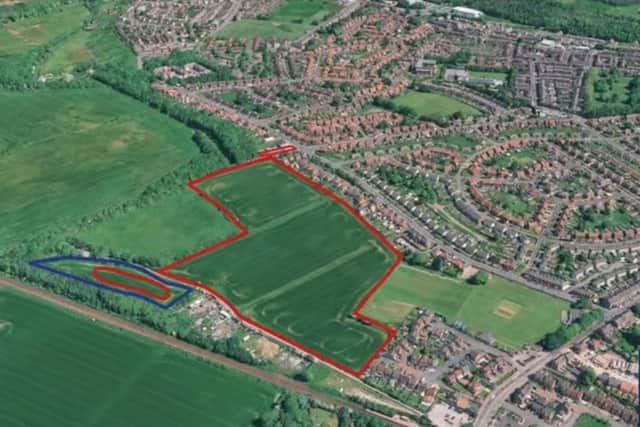

During consultation, 38 representations were received from members of the public, alongside formal objections from ward councillors.
Concerns raised included increased traffic, highway and pedestrian safety, flood risk, impacts on wildlife, pressure on schools and other infrastructure, and the loss of safeguarded land.
Planning officers said those impacts could be adequately addressed through planning conditions and a legal agreement, and that the development would not result in unacceptable harm.
Highways officers raised no objection to the scheme, subject to changes to the Pit Lane access, off-site junction improvements and a proposed reduction in the speed limit, which would require a separate legal process.
The development will be subject to a Section 106 agreement requiring 10 per cent affordable housing, public open space, almost £1m towards education provision, more than £170,000 for sustainable travel improvements, and funding for long-term biodiversity monitoring.
Officers concluded that while the proposal conflicts with local policy on safeguarded land, the benefits of delivering new homes carry significant weight and outweigh the identified harms.