
Budget 2026: rural drivers bearing brunt of skyrocketing fuel prices
John Healey is set to make tax-free mileage rates for nurses, care workers and self-employed people permanent.

Rural residents spend almost £500 more a year to fill up their car than those in towns and cities, the Countryside Alliance has found, as it urged John Healey to act on fuel costs in tomorrow’s Budget.
The Chancellor is set to give his first fiscal statement this week and is under pressure to tackle the cost of living crisis, amid tough global headwinds.
Inflation and government borrowing both rose ahead of the Budget, as Donald Trump’s war with Iran has kept prices high at the pump.
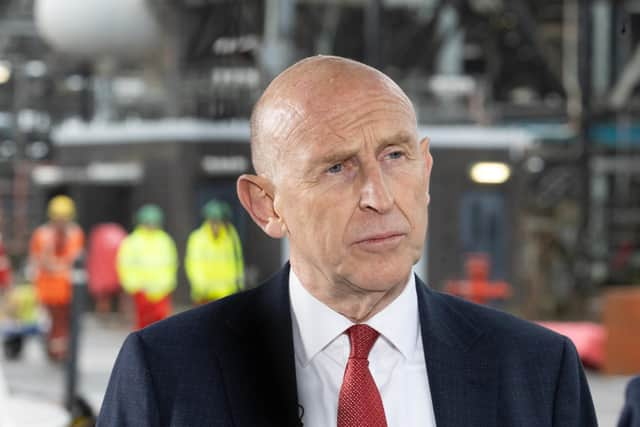
Mr Healey is set to make tax-free mileage rates for nurses, care workers and self-employed people permanent, as part of the Government’s “everyday fixes” policies.
He said: “Today's everyday fixes are just a small part of what we are doing to give families a bit of breathing space.”

However, the Countryside Alliance are calling on the Chancellor to go further, after research revealed that the average rural resident spends around £1,300 a year on petrol, compared with £835 for someone in a town or city.
Farmers, families and others in the countryside use their vehicles more and also pay more to fill up.
CA chief executive Tim Bonner said: “With diesel now above £2 a litre, simply holding the 5p cut will not be enough.
“The Chancellor should make it permanent and give drivers immediate relief with a temporary cut to VAT on fuel.
“If the Government wants growth in rural postcodes as well as urban ones, this Budget is the place to show it.”
Meanwhile, research by the Liberal Democrats has found that almost 100,000 people in Yorkshire and the Humber are set to be dragged into higher tax brackets if the thresholds are frozen as expected.
The party’s Treasury spokesperson Daisy Cooper said: “These figures expose the shocking scale of the stealth tax raid started by the Conservatives and continued by Labour.”
Critics call freezing the thresholds a “stealth tax” because as wages rise with inflation, more people are dragged into paying tax or a higher bracket.
The Office for Budget Responsibility previously calculated that this freeze, known as “fiscal drag”, will raise £44.6bn by 2028-29.
Some 50,000 people in Yorkshire and the Humber will start to pay income tax, while 40,000 people will be moved into a higher rate.
Mr Healey is expected to legislate that this will not include pensioners which are bumped into the income tax bracket as the state pension rises with the triple lock.