
Council votes to scrap ‘thirds’ election cycle in favour of four-yearly all-out polls
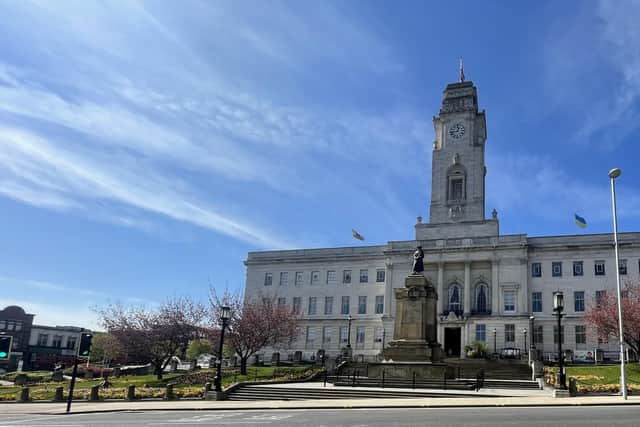
In a landmark decision at yesterday’s special full council meeting, Barnsley Metropolitan Borough Council voted to change its 50-year-old election cycle, moving away from elections by thirds to a whole council election system starting in May 2026.
The motion, proposed by the Labour majority, was passed with a vote of 47 in favour and 12 against. The change means that instead of holding elections in four out of every five years, Barnsley will now hold elections once every four years, with all councillors elected at the same time.
The switch follows a public consultation earlier this year, where 87 per cent of respondents supported the move to whole council elections, citing potential cost savings, greater political stability, and alignment with other councils’ election cycles.
The move to all-out elections can bring financial savings and offer political stability, but it also reduces how often voters can hold councillors to account. It means the entire political makeup of the council can change dramatically in one election, giving opposition parties a greater chance to make gains, but also allowing the ruling party to remain unchallenged for a full four-year term if re-elected.

Labour councillors argued it will save the council approximately £1.2 million over the next seven years by reducing election costs and provide a more stable political environment for long-term planning.
However, the proposal faced opposition from the Barnsley Liberal Democrats, who voted against the motion and called for a referendum to allow residents to decide on the change.
The Liberal Democrat group raised concerns that reducing the frequency of elections could weaken democratic accountability and make residents feel more detached from the council.
Councillor Hannah Kitching, leader of the group, told the meeting: “Democracy might be expensive, but do we put a price on allowing people to have their say?
“I believe that the best way to help people understand and get involved with local government, which can be quite opaque and confusing, is by regular voting in thirds.
“I don’t believe that people should have to wait four years to hold their council to account over decisions they don’t like.”
Councillor Kitching added that elections every four years may discourage young people to stand for council.
“When an enthusiastic young person comes to me and says…I want to stand for the council, I don’t want to tell that young person they have to wait three and a half years.”
However, council leader Sir Steve Houghton CBE said the decision was ‘significant’ for the authority, and despite taking him out of his comfort zone, he supported the proposal for the long-term stability for Barnsley residents.
“We’ve come to it for two principal reasons. The government has said it wishes to create stability across the local government sector. It aims to do that significantly through local government reorganisation.
“We may be vulnerable at some point in the future so we cannot be complacent.
“Whilst this proposal takes me personally out of a comfort zone I’ve known for many, many years, I am happy to come forward with what I believe to be in the best interests, not just of the council, but the people of Barnsley for the longer term.”
Amid concerns over reduced accountability, some councillors argued that the shift was necessary to protect the council from growing political instability and unpredictability at both local and national levels. Councillor James Higginbottom emphasised that the new system was not a threat to democracy, but a way to strengthen it in uncertain times.
Councillor James Higginbottom told the meeting: “Any argument that this is an attack….on people’s democratic rights I just cannot agree with. It’s just a different way of expressing that same democratic right.
“The organisational stability that the leader has covered, it will provide that, no doubt, particularly as we enter what are challenging political times for all parties, and an increasing degree of volatility, right across not only the political system in the UK, and Barnsley but right across the world.”
The council will now notify the Local Government Boundary Commission of the change, with the first whole council election scheduled for 7 May 2026.