
‘Sea change’: former Labour rebels indicate cautious support for Alan Milburn’s reforms
Previous attempts to cut the welfare bill have been derailed by opposition within Labour but Alan Milburn said the party as a whole must get behind the reforms.

Labour rebels who helped bring down Sir Keir Starmer have indicated to The Yorkshire Post that they are prepared to get on board with Alan Milburn’s radical reforms of youth employment support and benefits.
In a long-awaited report the former New Labour cabinet minister called for a shake-up of the benefits system to save £3.6bn a year, with funding instead going to measures to get 16 to 24-year-olds so-called neets into jobs or training.
While those youngsters who cannot work will receive more support, for some their benefits would be cut as Mr Milburn proposes turning universal credit and personal independence payments (Pip) into a youth allowance.
Conservative leader Kemi Badenoch said: “We don’t need costly government schemes to fix Labour’s own mistakes.
“We need to stop making it so expensive and risky to hire young people.”
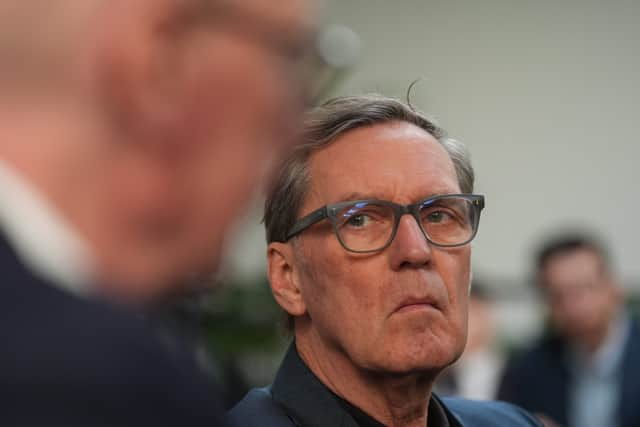

Previous attempts to cut the welfare bill have been derailed by opposition within Labour but Mr Milburn said the party as a whole must get behind the reforms.
The report proposes an “entirely new benefit system for young people”, with a youth allowance replacing the health element of universal credit (UC) and the personal independence payment (Pip) for 16 to 24-year-olds.
The system would give every young person a legal entitlement to a route into education, training or work, and a guarantee of support to get the health, employment and functional and practical help they need to get into and stay in work.
He insisted that Labour MPs “buy the argument” he is making.
Mr Milburn spoke to the Parliamentary Labour Party on Monday night, and West Yorkshire Tracy Brabin claimed he got a “standing ovation”.
He said his plan was a change from a “fiscal grab” with the idea “let’s cut some benefits” under Sir Keir which ended in humiliation for the then prime minister.

It was the start of dissatisfaction and anger from Labour MPs which led to Sir Keir being ousted and replaced by Andy Burnham.
However, several who rebelled against the previous welfare changes told this paper that Mr Milburn’s reforms were vastly different from those that were rejected last year.
Calder Valley MP Josh Fenton-Glynn, a vocal opponent of cuts to the budget proposed by Rachel Reeves, told The Yorkshire Post: “This is a very different proposition than what we were offered in summer 2025.
“It’s a serious attempt to support people into work. The devil is in the details but there is a lot to support.”
Dr Marie Tidball, the Labour MP for Penistone and Stocksbridge who previously rebelled over the changes to disability benefit, said: “I am pleased to hear there won’t be ‘crude cuts’ to benefits, and that reforms to fundamentally change our welfare system are instead focused on increasing the participation of young disabled people in society.”
She added: “As the government responds and works towards delivering Milburn’s recommendations, I want to make sure that all reforms have a positive impact on meaningfully closing the employment gap for young people.”
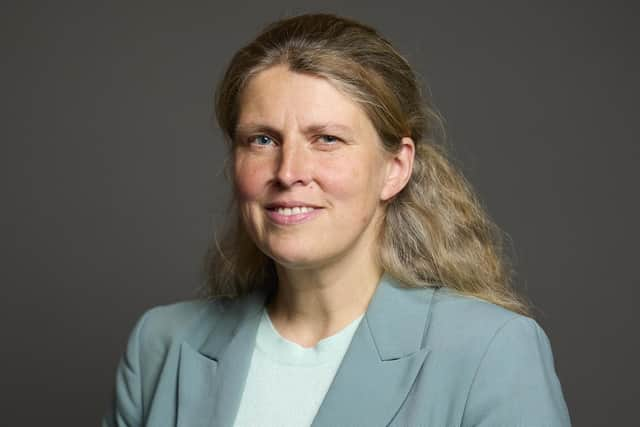
York Central’s Rachael Maskell, who was temporarily suspended by Labour for consistently rebelling, described it as a “sea change” for the previous proposals.
She said she was pleased with the focus on further and technical education, alongside support for young people suffering with mental health issues.
However, Ms Maskell said she wanted to see more detail around how the participation support would work.
Much of this responsibility will be handed to mayors, with Mr Milburn saying there will need to be “the mechanism to hold mayors to account for delivery”.

“If mayors succeed in getting their Neets rates down and youth employment up, they will be able to share in the savings rather than all flowing back to the Treasury.”
Ms Brabin, who was part of Mr Milburn’s expert panel, said “it makes sense” for mayors to deliver this.
“We know that nationally this is broken and not working, so this is a real reset moment and an opportunity to deliver it regionally,” she told this paper.
“It makes sense because mayors know their businesses, they know their young people, their educators and their colleges.
“To give us that opportunity to be in charge of their youth opportunity service, I think makes an enormous amount of sense.
“It's a real change that young people, who would normally go to the job center now will be able to get that access to the opportunity of a job, but also the support around it and the mental health support.”