
Yorkshire Water: mayors urge Andy Burnham to take control of under-fire firm through mutualisation
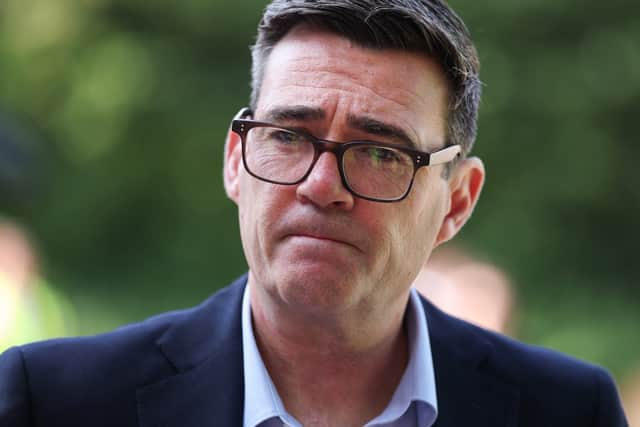
Andy Burnham has indicated that he is keen to nationalise water and energy companies, however this could mean taking on the firm’s huge £7.5bn debts.

Yorkshire’s three Labour mayors have urged Andy Burnham to bring Yorkshire Water under greater public control through mutualisation.
The new Prime Minister has indicated that he is keen to nationalise water and energy companies, however this could mean taking on the firm’s huge £7.5bn debts.
A new report from the Good Growth Foundation, a think tank close to the Labour government, has said that mutualisation would allow customers to have greater control of the company without the eye-watering costs.
This would see Yorkshire Water mirror some of the region’s other iconic brands which are set up as cooperatives, like Yorkshire Building Society and Yorkshire County Cricket Club.
Polling by GGF found that only 10 per cent of adults in Yorkshire and the Humber want water companies to remain owned by private shareholders.
However, concerns over how much this could cost are rife, with over half of the 348 respondents in the region would not sign off on a costly state buyout, while less than one in five say public ownership would be worth it “whatever the cost”.

GGF says that the answer is mutualisation, with a lower bar for the Special Administration Regime (SAR).
The think tank hopes that this will force water companies to improve standards, however if that fails they could be turned into a cooperative, with greater input from councils, mayors and trade unions.
Yorkshire’s three Labour mayors, who have worked closely with Mr Burnham for years, have backed the plan.
Tracy Brabin, Mayor of West Yorkshire, said: “The people of West Yorkshire have paid the price for Yorkshire Water’s failings for far too long, with repeated pollution failings and hiking bills repeatedly during a cost of living crisis.
“Greater public control of water companies is the only way to protect our communities and environment for future generations.
“The Good Growth Foundation has set out a radical set of proposals that would do just that. Now is the time for change.”

Oliver Coppard, mayor of South Yorkshire, said: "Water is an essential utility that simply should not be farmed out to the private sector - that’s a lesson we’ve learned the hard way.
“A cooperative model would put control back in the hands of people, help keep bills as low as possible, and allow us to finally intervene in the inexorable dumping of sewage in our rivers.”
David Skaith, the mayor of York and North Yorkshire, added: “The privatised Yorkshire Water has let down Yorkshire’s residents and is symptomatic of the way the water industry treats the people who pay their bills.
“It is time to turn off the tap to shareholders and start investing in the infrastructure needed to fix our water systems, while giving the people who rely on these services a far greater say in how these companies are run and held to account.”
Earlier this month, The Yorkshire Post revealed that the firm expecting to be downgraded to a one-star rating from the Environment Agency after being responsible for 200 pollution incidents last year – a 72 per cent increase.
At the same time, customers’ bills are going up to pay for an £8.3 billion investment programme to improve Yorkshire Water’s infrastructure by 2030.
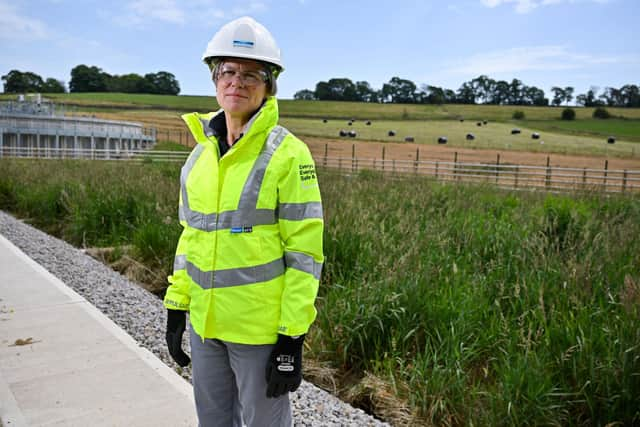
Despite this, chief executive Nicola Shaw is set to continue to receive controversial £660,000 offshore payments from the firm's parent company into the future.
Ms Shaw has insisted this is not a bonus, despite having not set hours or responsibilities for the role.
A Yorkshire Water spokesperson said: “We agree that water companies should be accountable to the regions they serve, and we have been working with Yorkshire’s mayors and council leaders over the last year to improve our reporting and enable more effective scrutiny of our performance.
“We are the only water and sewage company to publish six-monthly reports on our progress.
“Of course, there is more to do, and we want to work with the mayors and local leaders to develop a new stewardship model that will strengthen regional accountability and planning, alongside the package of regulatory reforms recommended by Sir John Cunliffe.
“Like the findings of the recent Cunliffe review into the water sector, we don’t believe changes in ownership models would solve the industry’s core challenges, all of which are being experienced by water companies that already have different ownership models to our own.
“The proposal outlined by the GGF has no credible answers to the central questions of where regions would find the money to buy water companies, nor how they would fund the many billions of pounds of investment needed to deliver better outcomes for customers and the environment over the years ahead.”