
Middle East conflict overshadows Rachel Reeves' 'stability' spring statement
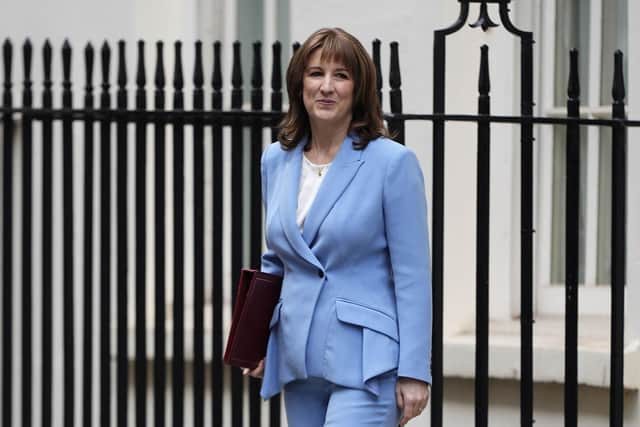
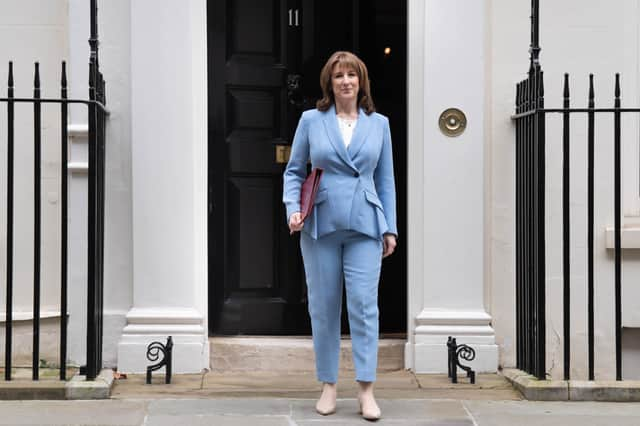
Chancellor Rachel Reeves has said she has the “right economic plan” for the UK to “protect families from the turbulence that we see beyond our borders”, with oil and gas prices spiking due to the conflict in the Middle East.

The Leeds West and Pudsey MP laid out her spring statement this afternoon, which was a response to the Office for Budget Responsibility’s outlook and did not include any fiscal policies or tax changes.
The OBR indicated that growth - measured by gross domestic product (GDP) - will increase by 1.1 per cent in 2026, a lower rate than initially forecast from the 1.4 per cent it estimated in November.
But the watchdog upgraded its forecasts for 2027 and 2028 from 1.5 per cent to 1.6 per cent. Ms Reeves said: “The new forecasts from the OBR confirm that our plan is the right one – inflation is down, borrowing is down, living standards are up and the economy is growing.”
The Chancellor said the changes in GDP forecast took account of a fall in net migration and said average growth across the next five years was “largely unchanged” despite this year’s downgrade.
“But I am not yet satisfied with these forecasts,” she said, acknowledging “the economy is not yet working for everyone”.

Unemployment is to peak later this year and then fall in every year of the forecast period, ending the period at 4.1 per cent – lower than it was at the start of the Parliament, the Chancellor said.
The OBR said the unemployment rate would hit 5.3 per cent this year, up from the 4.9 per cent forecast in November, with the rates in 2027 and 2028 also higher than expected in the autumn.
The watchdog said entrants into the labour force were “struggling to find work amid subdued hiring demand”.
Borrowing is to reduce by “nearly £18bn compared to the autumn”, and public sector net borrowing is expected to fall from 4.3 per cent this year to 3.6 per cent next year, then 2.9 per cent, 2.5 per cent and 1.8 per cent in 2029-30, Ms Reeves said.
Slower wage growth contributed to lower inflation forecasts, with the consumer prices index falling from 3.4 per cent in 2025 to 2.3 per cent this year and hitting the Bank of England’s 2 per cent target from 2027.
However, the OBR said doubt has now been cast on these figures following the conflict in the Middle East.
David Miles, of the watchdog’s budget responsibility committee, said: “I think what will happen to inflation is particularly uncertain in the past few days.
“There have been very large increases in gas prices and oil prices.
“Our central expectation had been that inflation would fall back towards the Bank of England’s 2 per cent target early this year and will be around that level at the end of the year. There must be more uncertainty around that right now.”
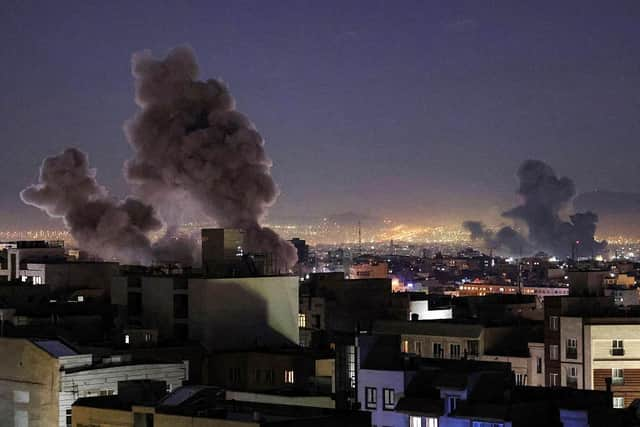
Ms Reeves said: “With the unfolding conflict in Iran and the Middle East, it is incumbent on me and on this Government to chart a course through that uncertainty, to secure our economy against shocks and protect families from the turbulence that we see beyond our borders.”
She said she was in “regular contact” with governor of the Bank of England Andrew Bailey and maritime sector leaders, and today she would meet with “North Sea industry leaders to discuss the implications that they face and work with them to manage this uncertain period”.
Prior to the Chancellor’s speech, oil prices rose while stock markets were sent tumbling by the ongoing conflict involving the US, Iran and Israel.
Brent crude rose by another 4 per cent on Tuesday to stand at a one-year high of nearly 81 US dollars a barrel, after Iran took action to block a crucial shipping route for crude tankers, while London’s FTSE 100 Index fell sharply lower, down more than 2 per cent in early trading.
Airline stocks continued to take a hammering because of flight disruption caused by the conflict, while banks were also lower on fears over a knock-on impact to the economy.
The OBR’s forecast was taken over a time period from mid-January to the start of February, so it did not incorporate the ongoing war, however it said the Middle East instability “could have very significant impacts on the global economy, particularly energy markets”.
The watchdog pointed to modelling it had previously done on the impact of an ongoing war in the region in 2024, which found that inflation could rise by six percentage points with a 75 per cent increase in oil and gas prices.
The End Fuel Poverty Coalition said that wholesale prices had already hit 2023 levels, however for the time being households are shielded by the price cap.
If oil and gas prices remain high in May, the price cap could be increased from July onwards.
Labour’s Leeds Central and Headingley MP Alex Sobel told The Yorkshire Post: “Low income and struggling households must not be forced to pay the price of war in the Middle East.
“Military action across the Middle East will push up prices as oil and gas installations are attacked and sea routes blocked.
“It's now vital that the planned increases in the minimum wage, including an equal rate for younger workers, are delivered within the original promised timetable.
“There must also be action to keep energy bills under control, particularly for those facing fuel poverty and small businesses who have felt too many cost pressures recently.”