
No plan to address looming UK water shortage, damning report finds
The UK has no co-ordinated national plan for addressing what stands to be a daily water shortage of a third of current usage by 2050, with several new multi-billion pound infrastructure projects needed to meet the shortfall, a damning new report has found.


The National Audit Office said a significant increase in investment is needed to remedy a daily shortage of five billion litres a day by the middle of the century - more than a third of the 14 billion litres a day currently used.
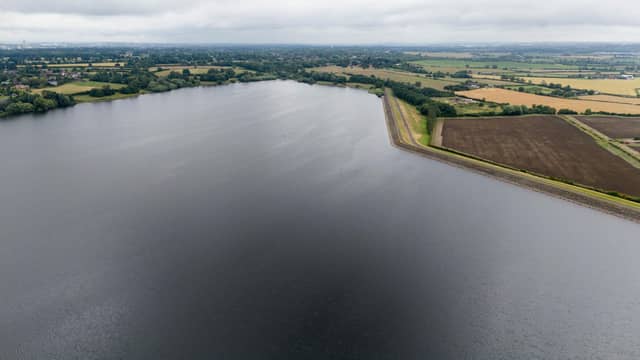
With no new reservoirs built in the three decades since the sector was privatised, nine are now needed, among 30 major projects.
This will cost £52 billion, on top of the £290 billion set to be spent keeping the current network running.
Further, it said at the current rate it would take 700 years to replace all of the mains network.
It said the required increase in investment comes at a time when the sector’s performance has eroded consumer trust to never-before-seen lows, meaning bills were likely to soar while satisfaction plummets.
The report comes on the same day as new laws come into effect, allowing prosecutors to jail polluting water company executives for up to two years.
The Water (Special Measures) Act 2025, means water executives who cover up or hide illegal sewage spills can now be locked up.
No prison sentences have been handed to water executives since privatisation, despite widespread illegal sewage discharges into rivers, lakes and seas.
On the issue of water infrastructure, the NAO found despite three separate regulators having some involvement - the Environment Agency (EA), OfWat and the Drinking Water Inspectorate - “none of the regulators have a duty to ensure there is a coherent national plan for the water sector.
“Despite increasing pressures on water supply and unprecedented investment in new infrastructure, there is no coherent national system where integrated decision making can take place.”
Additionally, while the EA has obligations to the water environment, there is no current obligation to weigh cost consideration, meaning value for money does not have to be taken into account.
On the matter of upgrading water mains, it highlighted that the rate of replacement of water mains over the whole network has been 0.14 per cent per year since 2019 which – if maintained – would mean the entire network would be replaced once every 700 years.
This is the slowest since privatisation - with the average rate over the time period being 0.83 per cent, with an implied asset life of 125 years.
The scale of the investment required to improve the problem is also laid bare.
It said: “Ofwat expects the sector to spend £47 billion on enhancements in the coming five years, part of expected infrastructure spending of £290 billion in the next 25 years.
“It also expects companies to spend a further £52 billion on large water supply projects. Therefore, the sector’s ability to attract funding from investors to finance this work will be critical to the sector’s success.”
Sir Geoffrey Clifton-Brown, chairman of the Committee of Public Accounts said: “Today’s NAO report lays bare the scale of the challenges facing the water sector – not least the real prospect of water shortfall without urgent action.
“The consequences of Government’s failure to regulate this sector properly are now landing squarely on bill payers who are being left to pick up the tab.
“After years of underinvestment, pollution incidents and water supply issues, it is no surprise that consumer trust is at an all-time low.”
SEE MORE PAGE 10