
Sheffield’s visitor economy generated record-breaking £2.01bn in 2025
Sheffield’s visitor economy reached new heights in 2025, generating a record-breaking £2.01bn – an 8.7 per cent increase on the previous year, according to Sheffield City Council.

The city welcomed 18.7 million visitors, up 7.3 per cent from 2024, with tourism now supporting 16,203 full-time equivalent jobs across the city.
The latest figures, compiled using the Scarborough Tourism Economic Activity Model (STEAM), show that day visitors continue to make up the majority of Sheffield’s tourism, accounting for 16.77 million visits and contributing almost £1.6bn to the local economy with an increase in the average spend per visitor.
Meanwhile, 1.89 million overnight visitors stayed in the city, generating £427m in economic impact and spending an average of 2.4 nights in local accommodation.
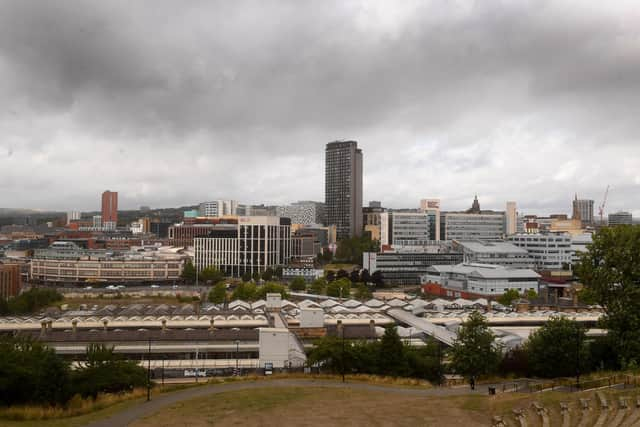

Councillor Ben Miskell, chair of the Economic Development, Skills and Culture Committee at Sheffield City Council, said: “Tourism continues to be a powerful driver of Sheffield’s economy, supporting thousands of jobs and bringing in over £2bn in 2025 alone.
“These figures reflect not just the strength of our visitor offer – from major events, conferences and cultural attractions to our stunning natural surroundings – but also the resilience and innovation of our local businesses who continue to welcome visitors in challenging times.
“As we look ahead, we’re committed to building on this momentum, ensuring that tourism continues to benefit communities across the city, plays a central role in Sheffield’s growth and provides opportunities for entry level jobs that are so important for the young people of our city.”
The data also shows that Sheffield’s visitor economy is a major contributor to the wider South Yorkshire picture. Tourism has brought more than £4bn into the region in total.
The accommodation sector also continues to evolve, with growth in non-serviced accommodation such as self-catering properties and short-term lets.
Overnight stays fell slightly by 4.3 per cent, reflecting wider national trends as visitors increasingly seek flexible and affordable travel options.
Spending patterns reveal that shopping remains the top expenditure category, followed by food and drink, transport, and accommodation which was on a par with the previous year.
Sarah McLeod, chair of the South Yorkshire Local Visitor Economy Partnership, said: “While hotel stays have eased slightly in line with national trends, demand remains strong and is increasingly reflected in growth across day visits and self-catering accommodation.
"These figures show a resilient, evolving visitor economy that is adapting to changing travel habits and is well placed for continued growth.”