
Support for used car market could have 'huge impact' on EV take-up, says Zenith

The head of consultancy and sustainability at fleet management firm Zenith has called for work to be done to make used electric cars more attractive to consumers.
Speaking at The Yorkshire Post Climate Change Summit, Zenith’s Alan Bastey said supporting the used car market could have a huge impact on how quickly UK consumers switch to electric vehicles.
He said: “For every new car that's sold, four used cars are sold, so if you want to get people driving electric cars, you've got to make it attractive on a used car.
“But at the moment, if you're a used buyer, why would you take the risk on that technology if it's going to be redundant in a few years? There isn't any incentive either in company cars or sorry sacrifice, because of the way it's structured intact. Support for the used second-hand market could have a huge, huge impact on adoption of electric cars.”
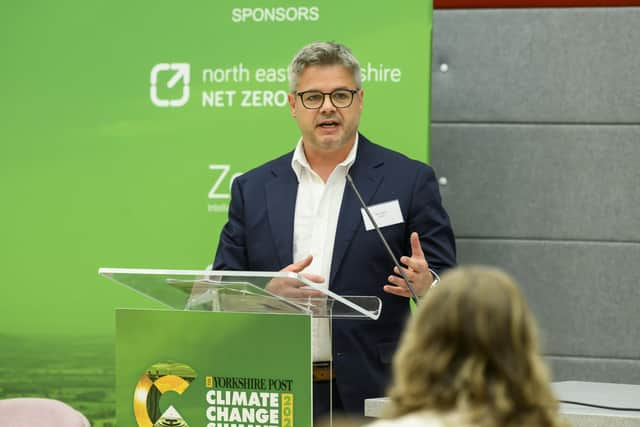

It came as Mr Bastey also called for wider support from Government on electric vehicle take-up.
He said: “Everyone in the room, we share ambition. We all share this ambition, but the policy gap remains. The support gap remains. The funding gap remains. Every business always asks for consistency, but what we actually want is practical support, and we need things to work and support the ambition. The sort of tinkering we see at the sides in the budget isn't enough.”
It comes as earlier this week, Prime Minister Andy Burnham insisted no decision had yet been made on changes to electric vehicle targets amid reports the Government is preparing to slash totals.
The Guardian reported that his de facto deputy Louise Haigh is expected to agree this week to cut a target for EV sales by about a quarter.
The Government launched a consultation in August on the zero emission vehicle (Zev) mandate amid concerns from carmakers about the impact of the order to phase out the sale of purely petrol or diesel cars and vans.
The current regime requires 80 per cent of car sales to be zero emission – usually electric-powered – by 2030, with hybrids allowed to make up the rest.
Under the options set out in the consultation the target could be cut to as low as 50 per cent.