
Almost 15,000 people die frome extreme heat and cold in Yorkshire, new figures reveal
While bitterly cold weather has historically led to higher numbers of deaths than extreme heat, the gap is narrowing.

A growing proportion of deaths are associated with days that see the hottest temperatures, new analysis suggests.
While bitterly cold weather has historically led to higher levels of mortality than conditions of extreme heat, the gap between the two is likely to have narrowed in recent years.
This trend is being driven by more frequent and persistent periods of very hot weather, which saw heat-related deaths peak in summer 2022, when temperatures in the UK reached 40C for the first time on record.
This year has seen record-breaking heat throughout July, although this was not included in the research.
An estimated 0.39 per cent of deaths in England across 2021-25 were associated with the hottest days of the year, according to findings published by the Office for National Statistics (ONS).
The rolling five-year average has been on an upwards path for much of the past decade, having stood at 0.10 per cent for 2011-15 and 0.31 per cent for 2016-20.
There continues to be a higher proportion of deaths linked with extreme cold weather, but the gap has narrowed.
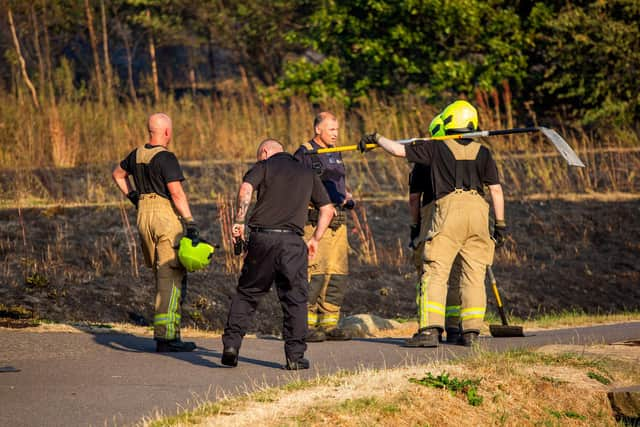

Across Yorkshire and the Humber, over the period from 1988 to 2025 that the ONS assessed, it estimated that almost 15,000 people died from extreme temperatures.
The statisticians think that 3,359 people in the region died from heat, while 11,361 people died due freezing temperatures.
However the proportion of deaths due to extreme temperatures was one of the lowest across England.
Friends of the Earth’s Mike Childs said: “This data is a stark reminder that cold weather remains a killer in the UK despite our warming climate.
“That’s because far too many homes are poorly insulated, meaning they’re expensive to heat – and prohibitively so for far too many.
“Many of these deaths can be avoided with action to upgrade the nation’s homes.
“That’s why the government must accelerate and increase spending on its Warm Homes programme, targeted in the areas that need it most.

“Homes without decent insulation are also more susceptible to over-heating when the mercury climbs.
“As the ONS has warned, we’re going to see the number of heat-related deaths increasing as the planet warms.
“We’re on course for the highest number ever following this year’s searing heatwaves.
“We’ve known for decades the fossil fuel industry is driving global heating.
“Far from giving the green light to more oil and gas extraction in the North Sea, the government should be making the companies getting rich amid mounting death and destruction pay for the measures we need to protect people from worsening climate extremes.
“Anything less would see the PM turning his back on the very people he's sworn to stand up for."
Earlier in the week, Andy Burnham told ITV News that he wanted to put more funding into climate resilience. He said: “I hate to put it this way, but after fires we may see more floods in the second-half of the year as we go into the autumn because that's the long term prediction.
“And again, are our fire and rescue services properly set up to do that? Well no, there's more we need to do. So I won't flinch from anything that is about the core resilience of the country.”