
Yellow health warning issued for Yorkshire as week-long cold snap set to hit

A yellow health warning has been issued for Yorkshire well into next year as a cold snap is set to hit the region.
Temperatures are expected to drop below 0 overnight for the next few nights, with the potential for snow in some areas over the coming days.
The warning has been issued by the UK Health Security Agency (UKHSA) and is in place from 8pm tonight (Dec 28) until midnight on January 5, 2026.
The yellow alert comes due to the UKHSA issuing a matrix score of nine for the region, meaning there is a very low likelihood of medium impact over the period.
However, the agency has said there is still the potential for significant impact across health and social care services due to the cold weather.
These include; a rise in deaths, particularly among those aged 65 and over or with health conditions; a likely increase in demand for health services; impacts on the workforce affecting delivery of services; challenges keeping indoor temperatures at the recommended 18°C leading to more risk to vulnerable people.
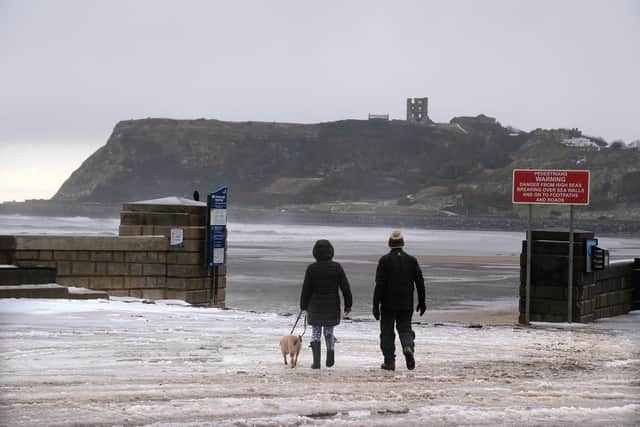

The Met Office forecast for the coming days suggests temperatures could drop to below freezing most nights, with lows of around -3C or -4C in some areas.
Even in the large urban areas such as Leeds and York, temperatures are set to drop to around -1C or -2C.
The long range forecast from the Met Office says: “An area of low pressure moves through the North Sea at first, which leads to rain and showers spreading south across the UK.
“Thereafter high pressure will likely be centred to the northwest with low pressure to the east, which allows a cold, showery, northerly flow develop for a time.
“For many this leads to a fairly settled period but there will be some wintry hazards including perhaps snow to low levels to north facing coastal areas at times.
“Showers will likely spread further inland at times and there may be some windier periods with more prolonged rain, however on the whole it will be drier than average.
“Temperatures will likely be below average for much of the period though it may turn near average or above average later.”