
What does it actually mean to be wealthy? – Sarah Coles
Are you doing anything nice this weekend? Personally, I’ll be doing DIY yet again, in a desperate attempt to save money on my ridiculous home renovation.
Ironically, I was in the middle of my eighth hour of this last weekend, and regretting all my choices, when the radio informed me that far from being someone who couldn’t stretch to a painter and decorator, I was in fact very wealthy. It turns out that the new kitchen island I was standing on to paint the ceiling meant that one in ten people in the country class me as rich.
Checking the wealth report in more detail I realised I’ve really racked up an impressive number of key status symbols. I have a stocks and shares ISA (a tick for investments); my husband owns t-shirts with ridiculously large logos on them (a tick for luxury goods); I still get on with him regardless (a tick for strong relationships); and I live in my own home (another tick). I’m basically the Queen.
Joking aside, I appreciate I’m very lucky. In my years as a single mum, I’d have looked at any of these luxuries as so far beyond my circumstances they may as well have been private jets (the top answer for what makes you rich). If someone had tried to engage me in a conversation about the meaning of wealth, they’d have been given short shrift. But if you’re on a relatively even keel financially, it can be incredibly useful to consider what wealth really is.
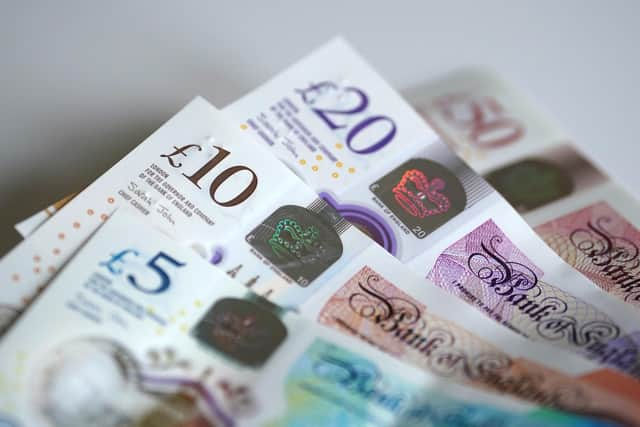

The answers people gave to this survey effectively answer the question of ‘what do you need to have in order to be wealthy?’ with ‘significantly more than I have right now.’ It’s why when asked to name the amount that people need to earn to be wealthy, it varied across the country in the same way that earnings do – so that people in the north east said £80,000 and those in the south east said £367,000. It’s also why nine in ten of those who make £100,000 or more a year deny being wealthy.
It means that if we assume wealth is about amassing earnings and status symbols, we’re on a hiding to nothing. Income inequality means there are always super-rich people. If you set the bar here, you’ll never feel like you’ve made it. Some of those with high incomes will fall victim to lifestyle creep, so their spending grows to swallow everything they earn, and they never feel they have enough left over. Others are working long hours for their high incomes and because they associate wealth with leisure and balance, they don’t feel rich. Others just can’t shake their money anxiety, so whatever they have, it’s not enough to be secure.
So a better definition of wealth may be whether we have enough money for the things that are important to us.
This starts with identifying what’s important. This might include specific status symbols, but for most people there will be other themes, like security, comfort, balance and experiences. It means rather than just earning and spending, the route to wealth lies in how we manage the money we have.
Security often lies in protecting ourselves and our families. We need an emergency savings safety net in place. While you’re working age this needs to cover 3-6 months’ worth of essential spending and in retirement it needs to cover 1-3 years’ worth. Then we need to hold cash for any planned expenses over the next five years – like home improvements.
It also means considering what would happen if we were too ill to work, or if we were to pass away. Your employer will often provide vital essentials like sick pay and death in service cover, but it’s worth considering whether that’s enough, or whether you need to consider life insurance, income protection or critical illness cover. Given that the HL Savings & Resilience Barometer shows only 30% of couples with children have enough life cover, it’s well worth revisiting. If you ask people to name a sign of wealth, they’re unlikely to mention robust insurance cover, but for some people it’s exactly what they need in order to feel secure.
Comfort, meanwhile, may be about your home. As house prices rise, there’s a risk that it actually becomes a status symbol in itself – and made it to number nine on the list. But your home is about more than status – providing somewhere you feel safe and protecting you from runaway rents for the rest of your life. As a nation, we may see our homes as statements about who we are as people, but we shouldn’t be afraid for that statement to be ‘I live somewhere affordable, safe, big enough for my family, and practical enough for my needs’.
Comfort also means thinking about what you can stretch to later in life, which is why pensions are such a vital consideration. Wherever you are in the process of saving for retirement, it’s a good idea to use a pension calculator to see what you are on track to build by retirement, and the income it’s likely to produce.
Beyond that, there are considerations like having a balance between work and life, being exposed to vital experiences and supporting our family. Building investments can give you the freedom to make the choices that are important to you. It might mean being able to afford to scale back your working hours as you get older, take a trip you’ve longed for, or to give your family the opportunities you want for them.
If you plan carefully and prioritise the things that are important to you, you can be your own version of ‘wealthy’ without necessarily needing any status symbols. For me, right now, having someone to help with the painting and decorating would make me feel like the richest person on earth.
What can you do about income tax freeze rumours?
On 26 March, alongside the Spring Statement, the Office for Budget Responsibility will publish details on the public finances. This looming deadline has sparked rumours that the government risks breaking its own fiscal rules – and speculation that Rachel Reeves might freeze income tax thresholds for longer to make the maths stack up.
The government has ruled out any major tax announcements in the Spring Statement, so this is firmly in the territory of speculation. However, we’ve felt a stealthy squeeze on our wallets ever since the tax thresholds were frozen in 2021/22, so rumours that we might have to endure it for even longer are unsettling.
Regardless of whether we get this change or not, it’s a reminder of how valuable it can be to protect your savings and investments from the tax changes that any government might decide to introduce. Pensions can help bring your tax bill down significantly, because contributions receive tax relief at your highest marginal rate. It won’t leave you with more money in your pocket today, but will put the full value of every pound into your pension for later. If you pay into your workplace pension it could also trigger more contributions from them, multiplying your efforts.