
More than a tonne of barley? The reality of a lucrative land deal
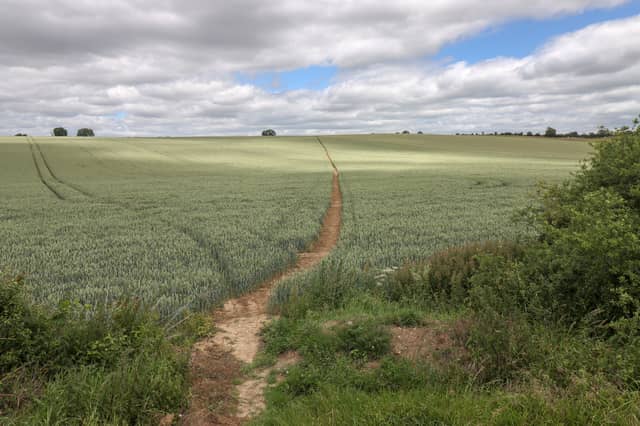

Many people don’t realise that a farm is more than just a business. It is a way of life, a livelihood and a passion, with generations putting their blood, sweat and tears into the land, writes Holly Gibson, Wilkin Chapman Rollits.
Against a backdrop of continuing economic pressures, it can be tempting to accept an approach from a developer or energy company seeking to purchase land or secure rights over it through an option agreement, promotion agreement or lease.
The reality is that the headline price offered can be substantially higher than the income traditional farming can generate in today’s market.
“More than a tonne of barley”, as the saying goes.

However, before signing anything, farmers and landowners should take professional advice.
There can be hidden consequences that affect the value, use and future potential of the land, as well as neighbouring land.
Where a change in use of the land is being considered – such as for renewable projects or diversification schemes – it is important to understand what rights are being sought, over which areas and for how long.
Landowners also need to know how the project will be implemented, when and how much they will be paid, and what condition the land will be left in at the end of the project or if anything goes wrong.
Appropriate protections can often be negotiated and built into the agreement to safeguard both the landowner and the land.
The common issues faced
• Open-ended timescales – the time the land is sterilised should be kept to a minimum and there should be a fixed end date. If a project does not proceed, the landowner should regain full control of the land.
• Uncertain payments – agreeing minimum payments or minimum development areas can provide greater certainty. Any costs a developer can deduct, and any contribution expected from the landowner, should be carefully scrutinised and limited where possible.
• Restrictions on land use – agreements may limit how land can be used before development takes place, potentially affecting existing farming operations.
• The financial strength of the developer – even a well-drafted agreement containing indemnities and compensation for the landowner could be worthless if the developer has no financial strength.
• The impact on neighbouring land – projects can affect the future development potential or use of adjoining land, which should be considered from the outset.
Seeking tax advice early is paramount, as the headline price expected may be significantly reduced by tax liabilities.
At Wilkin Chapman Rollits, our team of agricultural law specialists work closely with landowners and their wider professional advisers to help assess opportunities, understand potential risks and secure the best possible outcome.
For advice on land deals, you can email me at [email protected], call 01904 688529 or visit wilkinchapmanrollits.co.uk
Holly Gibson is a senior associate in the agricultural and real estate teams at law firm Wilkin Chapman Rollits.