
Civil partnerships and same-sex marriage in the UK: Know your legal rights
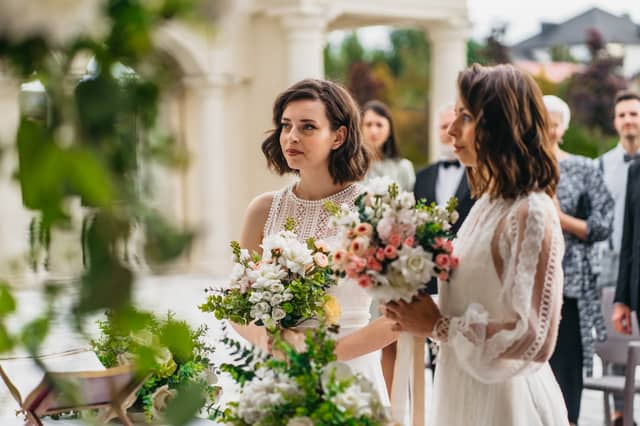

In recent years, the legal framework surrounding same-sex relationships in the UK has undergone transformative change, offering couples greater equality, recognition, and protection under the law.
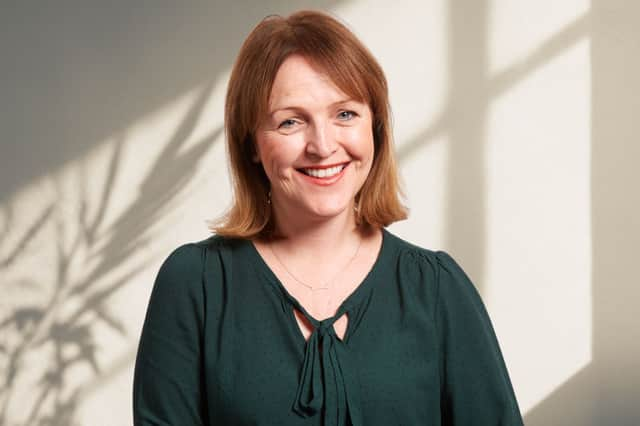
Whether you're considering a civil partnership or same-sex marriage, understanding the legal distinctions is essential. Noelle Heath, Partner and Head of Family Law at Leeds-based Morrish Solicitors, explains: “Both civil partnerships and same-sex marriages offer legal recognition and protection, but the choice between them often comes down to personal preference and the type of ceremony or terminology a couple feels most comfortable with.”
Civil partnerships: a legal milestone
Introduced in 2005, civil partnerships initially offered same-sex couples a way to formalise their relationships with rights similar to marriage. In 2019, this was extended to opposite-sex couples following a landmark equality ruling.
Civil partnerships provide legal rights in areas such as:
- Property and financial arrangements
- Inheritance and pensions
- Parental responsibility
- Tax benefits, including inheritance tax exemptions
- Next-of-kin status in medical situations
Unlike marriage, civil partnerships do not require a ceremony or vows. Couples simply sign a legal document in front of witnesses and a registrar.
Same-sex marriage: full legal equality
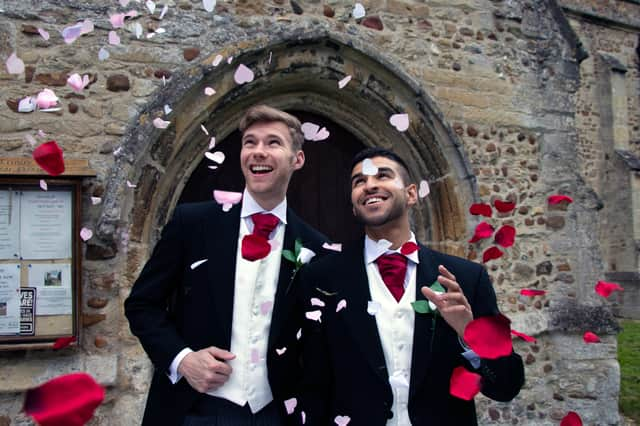
Same-sex marriage became legal in England and Wales in 2014, followed by Scotland and Northern Ireland. It offers identical legal rights to those of opposite-sex marriages, including financial, parental, and inheritance protections.
Couples who previously entered into civil partnerships can convert them into marriages if they wish. This involves signing a declaration and, optionally, holding a ceremony.
Key differences to consider
While both options offer similar legal protections, there are notable distinctions:
- Terminology: Married couples are referred to as husband, wife, or spouse; civil partners are legally termed as such.
- Ceremony: Marriage typically involves vows and a formal ceremony, whereas civil partnerships do not require this.
Heath adds: “Some couples prefer the simplicity and neutrality of a civil partnership, while others value the traditional and cultural significance of marriage. It’s about what feels right for you.”
Legal guidance
Navigating the legal implications of your relationship status, whether entering a civil partnership, marrying, or converting an existing partnership, requires expert advice.
“We always recommend seeking legal guidance, especially around property ownership, financial planning, and parental rights,” says Heath. “Our team can also assist with pre-registration or pre-nuptial agreements to ensure your rights and assets are protected.”
To find out more about civil partnerships, same-sex marriage, or any of Morrish Solicitors’ family law services, visit their website or call 033 3344 9600.
Morrish Solicitors also has branches at 51a High Street in Yeadon and at 9 Lowtown in Pudsey.