
T20 World Cup has been reduced to a farce before it starts - Comment
IT would seem disproportionate to get too worked up about matters relating to a T20 competition in the grand scheme of things.
At the same time, no one wants to see the game reduced to a laughing stock, which is basically what has happened with the T20 World Cup that starts on Saturday.
How else to view the situation that sees Bangladesh no longer involved in the tournament and Pakistan unwilling to take to the field against India in their group game scheduled for February 15?
If only cricket was about the simple battle between bat and ball - a quaint idea, of course, when there is so much politics and money involved.
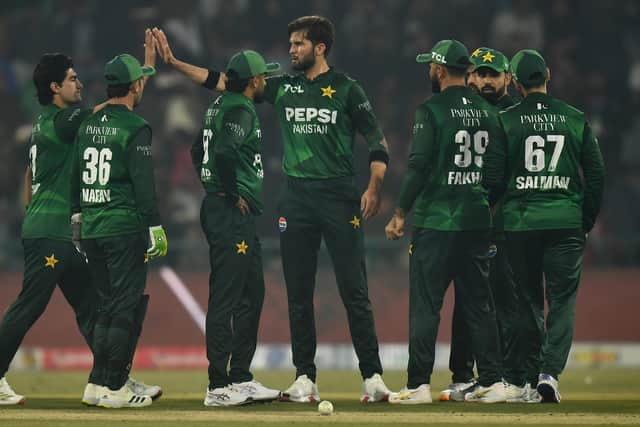

For those who may not have been following the recent events - perhaps you have been too busy poring through the three million Epstein files to find the time - the competition was plunged into chaos when, first, Bangladesh were excluded from the event by the International Cricket Council (ICC).
Bangladesh had requested that their games be moved from India, citing security concerns amid growing tensions between those countries.
The ICC refused permission for them to play instead in Sri Lanka, the tournament’s co-hosts, and therefore Scotland - the next-highest ranked side - have taken Bangladesh’s place.
Then, second, in supposed solidarity with their Bangladesh brethren, Pakistan strongly condemned the ICC’s decision, accusing it of “double standards” after it allowed India to play their matches at the most recent Champions Trophy in the UAE instead of in Pakistan, which hosted that competition.
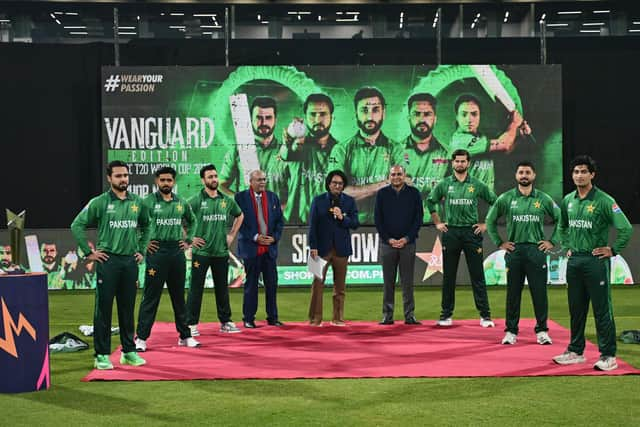
Now Pakistan, at the instruction of the Pakistan government, have said that although they will still take part in the World Cup, they will not fulfil their group game against India, with whom their relationship, of course, has long made that between Cain and Abel look like an advert for sibling harmony.
This boycotting has major implications for broadcast deals predicated on such money-spinning matches taking place, and also if the sides are pitted together in the knockout stages.
Why, an India versus Pakistan final threatens to be the greatest cricketing no-show on earth.
Notwithstanding the complex political factors at play, it seems that there are two main problems, almost certainly insurmountable: 1) the overarching influence that India, the richest and most powerful cricketing nation, exerts on an increasingly malleable game; 2) the lack of effective leadership within the ICC.
Whatever Pakistan’s motivations for withdrawing from the match, which they have yet to state explicitly, they are surely right to highlight the “double standards” at work in that India were allowed to play their Champions Trophy games elsewhere - just one of many examples, in fact, of favouritism towards India.
However, in response to Pakistan’s actions, the ICC issued a statement which said that they were “difficult to reconcile” and “not in the interest of the global game or the welfare of fans worldwide, including millions in Pakistan”.
That may be true in terms of the game’s revenue distribution model which relies on broadcasting income and for the wider protection and integrity of international cricket, but it is a none-too-cleverly disguised passing of the buck.
The ICC has effectively asked Pakistan to reconsider their position, so we await developments, but a U-turn would clearly be unlikely and embarrassing on their part.
Given the way it has seemingly allowed to India to do as it wishes, the ICC’s statement also contained a sentence that seems even more “difficult to reconcile”, to use its own words.
Namely: “ICC tournaments are built on sporting integrity, competitiveness, consistency and fairness, and selective participation undermines the spirit and sanctity of the competitions.”
Sporting integrity?
They’re having a laugh.