
David Storch's Sheffield Wednesday takeover confirmed, bringing hope after a decade of mismanagement

Sheffield Wednesday are looking forward to a new era after it was confirmed a takeover by David Storch's Arise consortium has been approved.
The American businessman, in conjunction with his son Michael and business partner Tom Costin, have bought the League One-bound club, which has been in administration since October.
The news was confirmed before Saturday's final match of the Championship season, in front of a sold-out crowd expected to be in party mood for the visit of West Bromwich Albion.
Storch emerged as the preferred bidder to buy the club in March but after the previous candidate, former Sheffield United advisor James Bord, walked away from a deal in February, and with both the Football League and the regulator under pressure not to allow another unsuitable owner to take the keys, nothing could be taken for granted.
The hope is that Storch's arrival can finally close the book on a decade of mismanagement under previous owner Dejphon Chansiri.
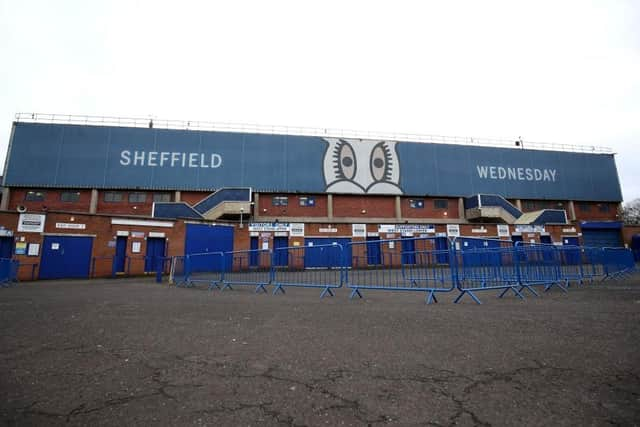
There are, therefore, huge challenges facing Storch with massive investment needed in both Wednesday's Hillsborough stadium and their nearby Middlewood Road training ground, as well as a squad which, by so many statistical measures, has produced the worst season in English league football history.
With a quirky name, a 158-year history and a once grand stadium graced by some of English football’s best players, Sheffield Wednesday are on of the grand old institutions of the game have been reduced to trading on the past and the incredible loyalty of their fanbase.
But Storch’s apparent determination to carry with him one of the club's last remaining assets of high value, their loyal fanbase, has given optimism their fortunes can now change.


Chansiri, whose fortune appears to have come largely from his father Kraisorn's ownership of the Thai Union Group, the world's largest producer of canned tuna, bought the club from previous owner Milan Mandaric in January 2015.
His early years saw heavy investment in the squad to return the club to the Premier League, which they were relegated from in 2000. It produced Championship play-off campaigns in 2015-16 and 2016-17.
But the failure to secure promotions either time, and his habit of allowing players' contracts to run down rather than selling them made his approach unsustainable, and his apparent reluctance to invest in infrastructure was short-sighted and ultimately costly. Only some late brinkmanship allowed Hillsborough's North Stand, which used to bear his name across its seats, to be granted a safety certificate for the first home game of 2025-26.
It would appear Storch has work to do to get one for next season, with the American recently highlighting "inadequate water supply affecting even basic sanitation, and insufficient electrical capacity to support certain essential upgrades. The work required is significant and urgent, and likely to result in the need to invest substantial further sums."
As time went on, Chansiri came to rely on sharp practices to allow him to circumvent league spending rules, with some questionable sponsorship deals and a move to sell Hillsborough to himself which, whilst allowed, was carried out so ham-fistedly that Wednesday were deducted 12 points – halved on appeal – in 2020-21, leading to relegation to League One.
They bounced back in dramatic fashion at the second attempt, with the biggest comeback in the history of the play-offs to come from 4-0 down after the first leg to beat Peterborough United, then defeat Barnsley in the final.
But whether it was the points deduction, the damaging effect of the Covid-19 pandemic, his father's fine and ban from serving as a director or executive of any publicly-traded company in Thailand for 14 months for insider trading, or a combination of them all, Chansiri's appetite and ability to bankroll the club seemed to be on the wane.
With Chansiri's arrogant disdain for supporters and the lack of a management structure between himself and the first team, he found himself with few friends and little business or footballing expertise to lean on in difficult times.
Having masterminded the 2023 play-off victory, then-manager Darren Moore resigned within 21 days.
Manager Danny Rohl rescued a record-breakingly bad start to the new Championship season under Xisco Munoz, but his relationship with Chansiri soon became openly dysfunctional.
In 2025, wages of staff and players went unpaid for five out of seven months, leading to the departure of Rohl and many key players, with important assets like Josh Windass and Michael Smith exercising their right to leave on free transfers.
Chansiri clung on for as long as he could, but had to put both the club and the separate company which owned the stadium into administration in October 2025 as his debts began to overwhelm him, exacerbated by supporters protests to cut off his income streams in Sheffield.
The outpouring of fan support – financial and physical – that prompted raised hopes that the Owls would be inundated with would-be buyers but it did not translate into many feasible offers when investors were allowed to look under the bonnet.
Storch was outbid at Christmas but when Bord decided to back away from an offer which by his own admission grossly over-valued the club at £47.8m – mainly because of the state of the stadium – he returned.
The task ahead will not be easy, but he starts with a huge reservoir of supporter goodwill, and plenty of mistakes by the last regime to learn from.