
Viva Las Vegas - but has Formula 1 sold its soul to the American dollar
As the Formula One circus heads to the Las Vegas strip this weekend, is it time to ask - has the sport sold its soul to the American devil?
Over the past couple of years F1, has seen a major shift away from a traditional European-centric approach towards the United States.
This shift can be traced back to 2017 when American media company Liberty Group purchased the exclusive commercial rights to the FIA Formula One Championship, ultimately putting the sport in American hands and setting in motion a re-organising of the paddock.
Because what followed is what can easily be termed as the “Americanisation” of the sport.
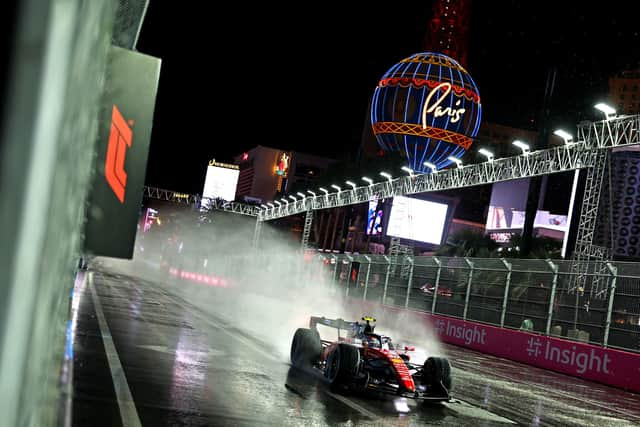

This essentially means that a massive pivot was seen in F1’s commercial strategy and media footprint. All of this was done to woo the American audience.
It started with the Netflix documentary series “Drive to Survive” which turned the sport into a form of drama to attract new fans. The series has been criticised by drivers and team principles alike due to its prioritisation of drama over factual accuracy. Lando Norris, Max Verstappen and Lewis Hamilton have all criticised the ‘documentary’.
There has also been the addition of two new American circuits with Las Vegas added to the rota in 2023 and Miami in 2022, bringing the total number of races in the United States to three, alongside Texas. Before the race’s return to the Circuit of the Americas in Austin in 2012, there had been no race in the US for four years.
Historic European circuits are now the ones missing out.
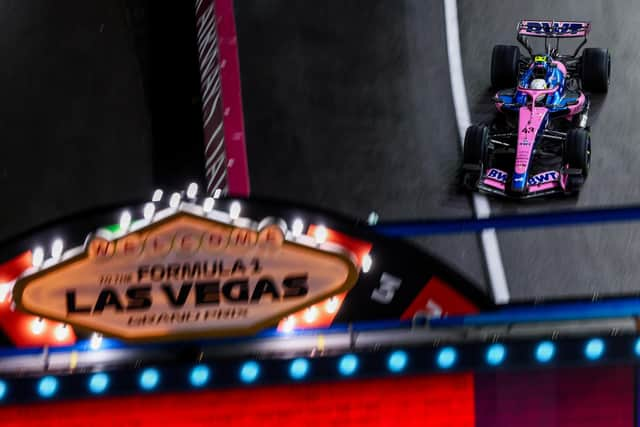
Some of the most famous tracks now absent from the F1 calendar are Imola (San Marino) and Zandvoort (Netherlands). Several other iconic circuits have been shifted to an alternate-year rotation. Spa in Belgium and Catalunya in Spain will have to alternate between one another from next year.
There is also the issue of what goes on before the race starts, especially in Miami and Las Vegas. The parades, celebrity walks, concerts and fan festivals across the weekend all shift focus away from racing. It is almost “Super Bowlesque”.
There is also the problem of ticket prices being inflated, according to some fans, which has made the sport inaccessible to long-term working- and middle-class fans. The general consensus is that an F1 weekend now is like a luxury and corporate-oriented experience. The numbers back this up as well. According to data collected from ticket-selling platform viagogo, the percentage of British buyers purchasing tickets for the Silverstone went from 54 per cent in 2023 to just 23 per cent in 2025 with British F1 fans choosing to fly to cheaper venues such as Hungary or Spain.
According to a fan poll, 73 per cent of fans who have never attended an F1 race cited expensive ticket prices as the reason for not doing so.
Another major shift is the sport moving away from free-to-air television towards pay-TV. There has been backlash with F1 streaming being locked behind pay-walls. To watch F1 legally in the UK, consumers now need to bundle sports packages along with base entertainment packages leading to a pricing out of lower-income households.
On the flip side, F1 has seen massive growth in some sectors ever since the sport became “Americanized” with around 51 million new fans since Liberty Media took over, boasts the F1 website.
The valuations of teams has also skyrocketed to a staggering $4.55billion.
Encouraging numbers and a new audience engaged, but at what cost to traditional fans and historic circuits.