
Drivers feel 'short-changed' over taxes as potholes remain, AA warns

Tackling potholes must not be a “periphery issue” a motoring leader has warned, after reports this year of a 10-fold increase in parts of Yorkshire.
January saw one of the worst years on record for rain, with a sudden surge in crumbling road surfaces reported in the weeks that followed the wet weather.
Now, amid warnings from the leader of the AA that “our country without roads is nothing”, there are calls for a focused solution.
Edmund King is president of the motoring association.
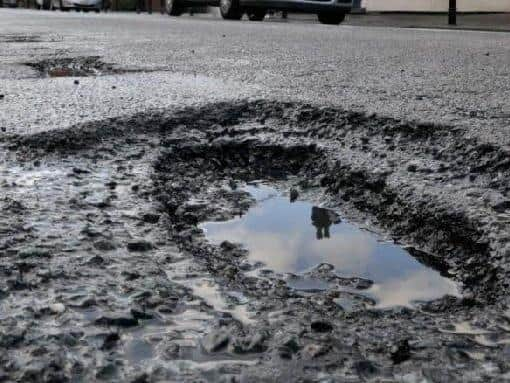

Drivers “feel short-changed” as they pay tens of billions of pounds a year into the Treasury but with too many roads suffering from badly repaired potholes, he warned.
"If we didn’t have the roads, the country would be at a standstill," he said. “Ninety per cent of freight goes by road and 86 per cent of passenger journeys are by road.
“There would be no goods in our shops, no exports and people wouldn’t get to work. This isn’t a periphery issue.”
The cost of bringing pothole-plagued local roads in England and Wales up to scratch has been estimated to be a record £18.6bn.
In Yorkshire, a number of councils issued warnings earlier this year after an "unusually long spell of continuous rainfall" left a raft of repairs.
Councillors in Leeds were told there had been as many as 300 reports in one week, when just 30 might usually be expected.
And in late January, road cables were exposed in York after parts of the road disintegrated near the junction with Tang Hall Lane.
New figures from insurer Aviva show a quarter of claims for pothole damage result in vehicles being written off.
Mr King claimed drivers were paying the price for a “patch and run” approach, where potholes are badly filled and return within weeks.
Revenue from fuel duty alone brings in £24.3bn a year, meanwhile, while drivers pay taxes on fuel, insurance, and excise duty.
This is the number one transport issue for 96 per cent of drivers, claimed Mr King.
"At The AA we see it first-hand. Last year our patrols were called out to 617,000 pothole-related incidents – punctures, damaged wheels, steering and suspension damage.
“For drivers, it is the worst feeling: dark nights, wet roads, puddles, you can’t see the pothole, and then you hear the bang.”
Councils have a legal duty to maintain roads under the Highways Act, keeping them in good repair.
Leeds is one of only two local councils in Yorkshire to have scored the top 'green' rating in the Government's new traffic lights system to keep drivers informed.
The Department for Transport has this week also issued new reporting requirements for councils which require them to prove they are doing more to fix potholes and future-proof roads. This is aimed at encouraging full resurfacing of roads rather than short-term fixes.
Local authorities risk losing up to a third of their funding for roads maintenance if they fail to demonstrate they are working effectively.
Roads minister Simon Lightwood said: “For too long motorists have been left incensed by short-term work being prioritised over genuine long-term repairs. Thanks to our new guidance, that changes today.”