
Brigantes: 'We're Sheffield's first professional orchestra and we're building a place for ourselves in cultural life'
Since its establishment in 2019, Sheffield’s Brigantes orchestra is growing its ambition and audience, bringing classical music to more people with its latest concert season.
Nobody ever said that launching Sheffield’s first professional orchestra was going to be easy. And there must have been times when founders Quentin Clare, David Watkin-Holmes and Tony Hart wondered if they had bitten off more than they could chew.
Their theory, though, was that if Manchester, Birmingham, Liverpool, Leeds and even Bournemouth could have their own orchestra, then why not Sheffield? Seven years after the Brigantes Orchestra’s first performance with an ensemble of just 13 musicians, it looks like the vision and determination is beginning to pay off.
The orchestra’s recently announced 2026/27 season will be its most ambitious to date, a Musical Journey Through Time with six concerts at the city’s historic cathedral offering a fascinating insight into the way that musical ideas span the generations. As well as bringing a varied programme of classics to Sheffield, it also offers the region’s professional musicians the opportunity to perform to a growing audience. “We have local quality musicians who basically hardly ever played in Sheffield,” says Brigantes Musical Director and conductor Quentin.
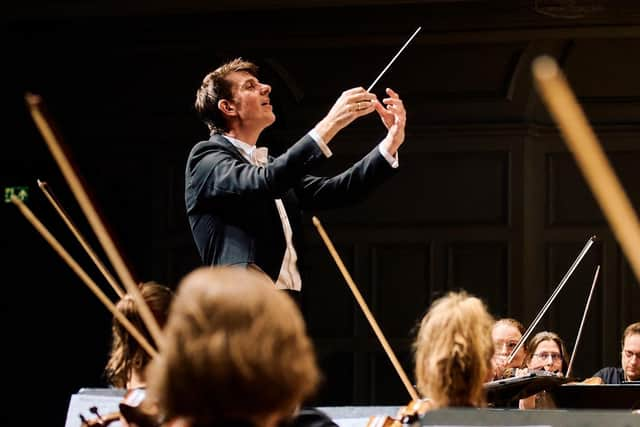

“Bringing them together as an orchestra for the city has got to be good for Sheffield but at the same time we need to get to the level where people are coming from Manchester or Leeds to see us, rather than Sheffield audiences going to them. And what we would like even more is for the numbers of people in Sheffield who are coming to see us to become twice what the cathedral can hold – multiple performance of the same programme make it financially viable.”
The choice of the cathedral as the Brigantes home venue is, Quentin believes, part of what makes the orchestra so special. “The strength of the cathedral is that, for the audience, it is much more informal than a concert hall,” he explains. “There is no barrier between the audience and the orchestra and the audience love that – they want to see the musicians that close and feel like they can be part of it all. One of the things we wanted to do when we launched in 2019 was to break down other barriers too, such as those perceived to be there by somebody who, perhaps, has never been to an orchestral concert before.”
Quentin also wants to see the audience become wider, reflecting the true diversity of the city and hopefully appealing to a younger demographic. One of the orchestra’s most popular projects has been the launch of a series of concerts for children - and the Brigantes was recently a finalist in the Sheffield Lord Mayor’s Awards for its work with local schools. The trustees have developed free concert programmes aimed specifically at ten to 14-year-olds, giving younger audience members tips on the basics of the different eras of music, what to listen for, and what the composers were trying to achieve with their piece.
“We don’t want to to be seen as something that is exclusive or expensive,” Quentin insists. “We want even more children and young people to come - it is, after all, free for them to attend - and we do now have a growing core of them coming back and asking their parents to bring them along which is great progress. Many of the children who come to our special afternoon school performances have never seen an orchestra before and that has to change if classical music is to survive.”
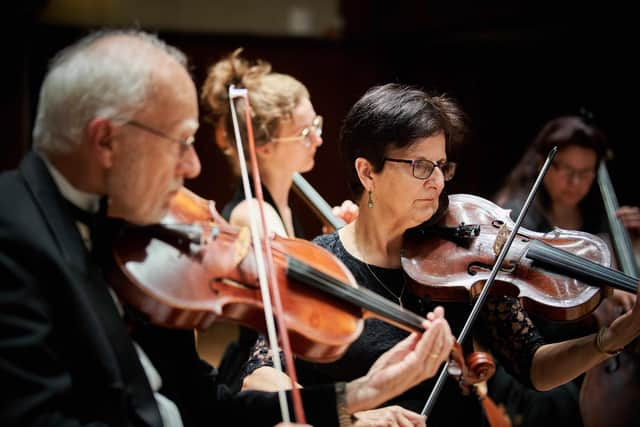
All that said, though, there does then come the issue of how a full professional orchestra is funded. That first concert with just 13 musicians in 2019 cost £1,700 and lost £1,100 – this season there are often between 50 and 75 players on stage and even though audiences do get bigger every season, there’s still a way to go before the ensemble pays for itself.
“You can’t charge the price for tickets that would cover the cost of putting the concert on - it’s not practical and it isn’t fair on our audiences,” Quentin says. “But we want our musicians to be paid properly for their talent. The 70 minutes of music you hear is about 10 per cent of the time they spent preparing and rehearsing, not to mention the many years before that to get them to a professional level. It’s why it is so hard for the Arts currently - our funding has to come from lots of sources other than ticket sales.”
Quentin believes that a successful move would be to develop stronger links with the South Yorkshire business community. “What we really need is five or six businesses who could invest a relatively small amount over three years into the orchestra,” he says. “The cumulative effect could be revolutionary for our work and in return, besides supporting the arts, our audiences, access for school children to live music and our local professional musicians, there are real benefits for the businesses.
“We can give our partners visibility among our audiences and the wider community, but we can also offer something rather more personal, the opportunity to bring clients, colleagues or other important guests to a pre-concert reception, enjoy an evening of great classical music together and meet some of the musicians afterwards. It’s a chance for businesses to support something worthwhile in Sheffield while sharing in the experience they are helping to make possible.”
Financial concerns do not, however, prevent Quentin from planning for future success, with already being drawn up for the 2027/28 programme. “We’ve been here since 2019, we are growing our audience, our programmes are developing in ambition and we’re building a real place for ourselves in Sheffield’s cultural life. It’s sometimes been a struggle, but Sheffield deserves its own professional orchestra – we, our audiences and our musicians are convinced of that.”
- To find out more about Brigantes Orchestra and its 2026/27 concert season, visit thebrigantes.uk