
Sandsend: Where dramatic cliffs and sandy shores reveal centuries of Yorkshire’s heritage

Perched on the edge of the North Sea, Sandsend is a picturesque village where stunning landscapes meet a deep and fascinating past.
Sandsend, a small village nestled on the Yorkshire coast near Whitby, blends natural beauty with a storied past.
Historically a fishing hub, it later became central to the alum mining industry during the 16th and 17th centuries.
The cliffs surrounding Sandsend were rich in alum shale, which was used in textile dyeing and leather tanning, making it an important industrial site.


The nearby Mulgrave Estate, owned by the Phipps family, also played a significant role in Sandsend’s development. Mulgrave Castle, dating back to Norman times, stands as a remnant of the area’s mediaeval history.
The estate's alum works provided jobs and influenced the village's growth, while the estate itself continues to shape the landscape, with Mulgrave Woods offering scenic trails and ancient woodland.
Sandsend’s significance grew in the Victorian era with the arrival of the Whitby, Redcar, and Middlesbrough Union Railway in 1883.
The line brought a wave of tourism, transforming Sandsend into a seaside destination for wealthy visitors.
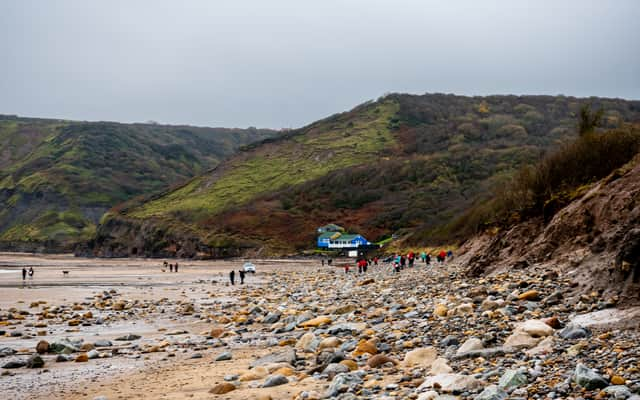
Though the railway closed in 1958, its legacy persists, with the old track serving as a walking path for modern-day explorers.
World War II also left its mark on Sandsend, as the coastline was fortified with defences in preparation for a potential German invasion.
Some remnants of these fortifications remain visible today, blending into the landscape that has been shaped by centuries of coastal erosion.
In the present day, Sandsend is beloved by surfers, fossil hunters, and hikers alike. Its sandy beaches, dramatic cliffs, and views of Whitby Abbey attract visitors year-round.