
As UK goes coal free what lies in store for Yorkshire’s energy future?
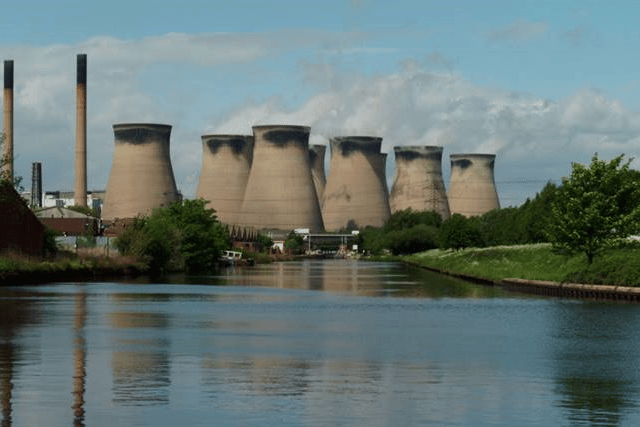
For generations, the cooling towers at Ferrybridge coal station stood like seemingly timeless sentinels of our industrial age for passing motorists on the A1 near Pontefract before their demolition in 2022.
And the recent closure of the UK’s last coal-fired plant at Ratcliffe-on-Soar in Nottinghamshire has finally signalled the end of our 142-year-old love affair with the black stuff that was a primary source of energy for centuries.
But what next for these industrial sites? And what are we replacing these fossil fuels with? Renewable sources of energy such as offshore wind are leading the net zero revolution; but industry experts say we need more than turbines to decarbonise.

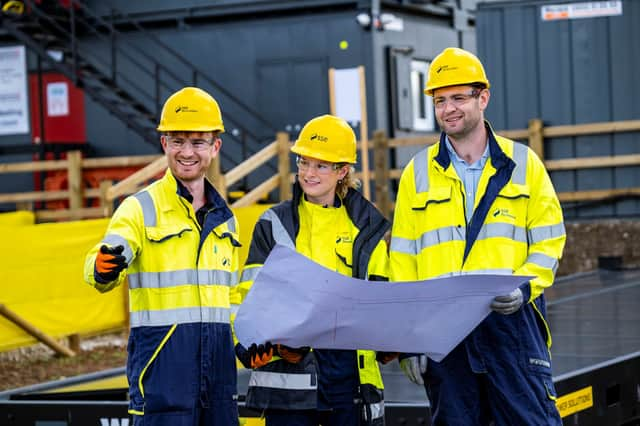
Alan Greenwood’s role at energy company SSE is to collaborate with communities in Yorkshire near sites suitable for a new form of flexible energy: battery storage.
At the recent Yorkshire Post Climate Change Summit in Leeds, he explained the key role Yorkshire can play in unlocking the path to net zero.
“If we’re going to decarbonise the energy system by 2030, we have to invest in flexible technology that gives the National Grid the ability to match supply and demand,” says Alan Greenwood, Stakeholder Engagement Manager, SSE Renewables.
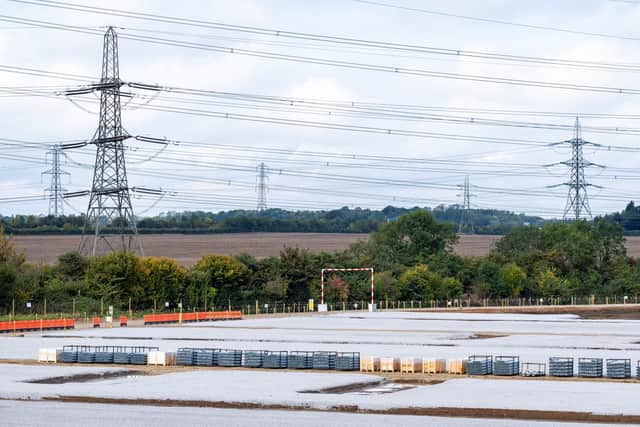
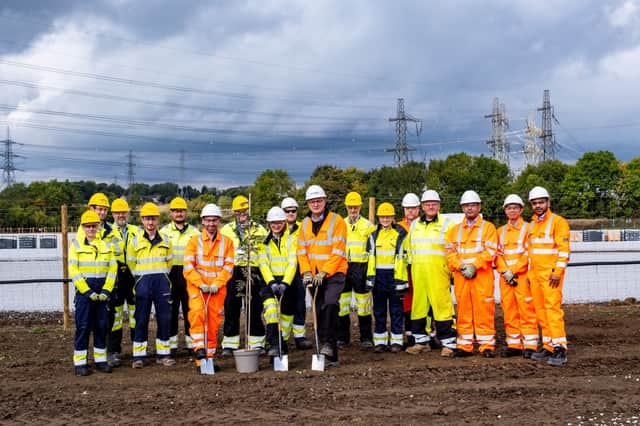
“That’s why SSE is investing millions of pounds in battery storage projects across Yorkshire with our first project nearing completion at the 150MW site at Ferrybridge. It’s a fantastic symbol of the energy evolution as where once stood coal stacks and cooling towers now stands rows of batteries which can provide energy when most needed.
“Ferrybridge is the ideal site for us as we can utilise the existing grid connection that was created for the coal plant as well as having a ready-made site to develop on. The additional advantage of battery storage is that it can hold excess energy from renewable sources so that even if the wind doesn’t blow or the sun doesn’t shine you have a way to provide electricity to customers at times of high demand.”
But what about the impact of the new technology on the communities where SSE and other energy firms want to build battery storage sites?
“We take the concerns of the community very seriously,” continues Greenwood. “We’ve been bringing green power to the UK for 80 years building hydro dams in the Scottish Highlands, many of which are still proudly serving their communities today.
“Our role is to take communities with us by carefully explaining the projects and addressing concerns that may arise. We are just starting construction at another battery storage project up the road from Ferrybridge at Monk Fryston and we are heavily involved with working with the community to share the benefits of our investment.”
Batteries such as the 320MW Monk Fryston project can run for up to two hours at a time and it is located next to the National Grid’s existing substation. By directly connecting the battery to the existing transmission network, SSE Renewables say they can minimise the built infrastructure impact on the surrounding environment.
So as the UK goes coal free, and grapples with the challenge of still keeping the lights on, battery storage looks set to be a key part of solving the net zero jigsaw.
“If the ambition is for the UK to be capable of generating its own secure and clean energy then batteries have a pivotal role to play on that journey,” concludes Greenwood.
“But it is incumbent on energy companies like SSE that we bring both the investment and the explanation for the need for this technology to the communities in Yorkshire where we want to develop projects. After all the future of the planet is at stake and that’s something that affects all of us.”
LINKS:
Facebook: www.facebook.com
LinkedIn: www.linkedin.com/company/sse-renewables
Instagram: www.instagram.com/sserenewables