
Oh La La, Haworth: 'Wuthering Heights filming has drawn TikTok generation to our Yorkshire village'
The owner of a shop in Haworth says that she noticed an increasing number of ‘the TikTok generation’ visiting the village since the filming of the recent blockbuster Wuthering Heights took place.

Pamela Howorth, 59, bought a building in 2003 on Main Street in Haworth which she originally set up as a lingerie store called Oh La La.
By 2020, the business evolved into a vintage shop, rebranding it ‘The Original Bronte Stationery’.
The recent Wuthering Heights film produced, written and directed by Emerald Fennel was filmed at Haworth.
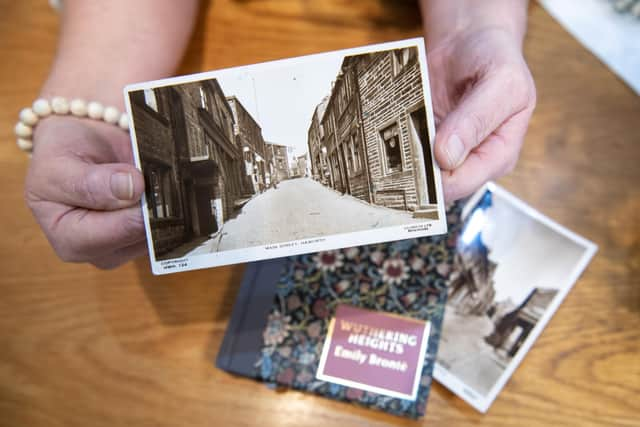

Ms Howorth told the Yorkshire Post she has since noticed a surge of young people visiting the village.
“We’ve noticed it’s a lot busier in Haworth now,” Ms Howorth said.
“It’s a different crowd that is coming, it’s a younger audience, the TikTok generation that seems to be coming.
“We noticed it last year; a younger audience was [visiting]. It was a big change.”
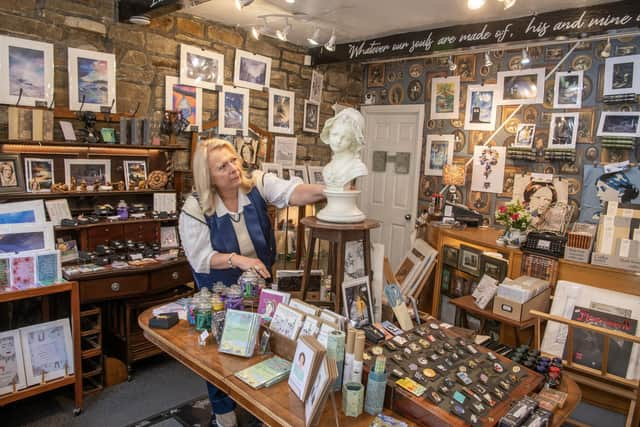
Ms Howorth and a group of businesswomen watched the recent film adaptation of Wuthering Heights.
“Haworth has got a lot of strong female business owners - we have a little group called The Main Street Ladies,” she said.
“We all went together to Hebden Bridge Picture House to watch [Wuthering Heights] which was really good. We all really enjoyed it.
“I mean it’s not true to Wuthering Heights, it’s not representative of the book as such, it’s an interpretation of it but as a film in its own right I thought the cinematography of it, the way it was filmed, it was very powerful. It was very gripping. You could have heard a pin drop [at the cinema]; it was so quiet during the whole film.”
Ms Howorth was captivated by the lives of the Bronte sisters since she moved to Haworth.
“When I first came to Haworth, I didn’t know very much about the Brontes really, they were things I’ve learned as I’ve gone along,” she said.
“How strong they were for women in that time to do what they did, to write the books that they wrote, having to write under the names of men because women weren’t recognised as being able to write things like that and it wasn’t accepted that they did.
“It just makes you realise what strong women they must have been. The fact that they all died so young, late 20s and early 30s, they’d not even lived a life.
“In that short period of time they lived a long life. They were very well read, they were part of the Romantic Era. I think their father did a good job educating them, a lot more so than people recognise.”