
Haworth: History behind home of authors Charlotte, Emily and Anne Bronte where The Railway Children and Rita, Sue and Bob Too were filmed

The village of Haworth goes back centuries and is well known for being the birthplace of authors Charlotte, Emily and Anne Bronte - here is its history.
Haworth is a tourist location famous for its connection with the Bronte sisters and the preserved Bronte Parsonage Museum.
There have been many period films and TV shows that were filmed at Haworth including Haworth railway station such as The Railway Children, Yanks (starring Richard Gere and Vanessa Redgrave), The Wall, Rita, Sue and Bob Too with George Costigan, and Wild Child (starring Emma Roberts).
In 2016, the BBC drama To Walk Invisible was filmed in and around Haworth and included a full-scale replica of the Bronte Parsonage, Old School Rooms and Haworth Church at the time of the Brontes on nearby Penistone Hill.
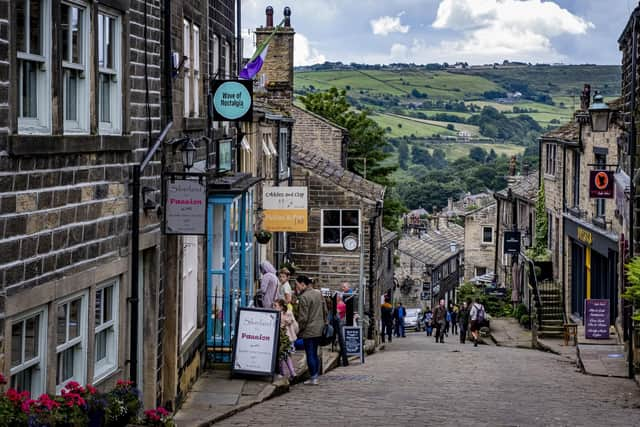

History of Haworth
The first reference to Haworth as a settlement was in 1209 and the name means ‘hedged enclosure’ or ‘hawthorn enclosed’. The name was recorded as ‘Howorth’ on a 1771 map.
Villagers earned their way in life through farming and hand-loom weaving or wool combing in their own homes during the Industrial Revolution.
They had to move to Haworth in droves to work in the mills that popped up from 1790 and as a result, the village became overcrowded.
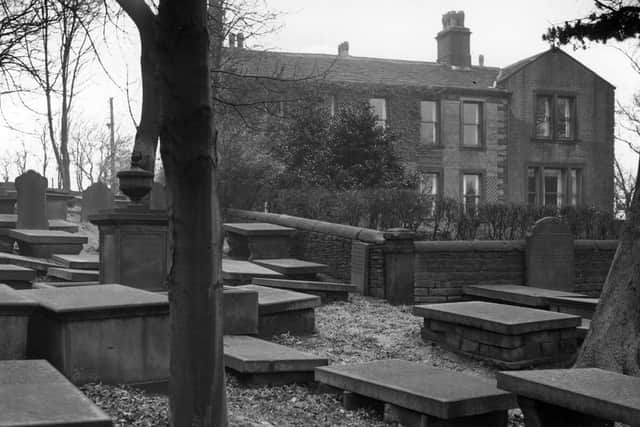
This led to a lack of hygiene and disease spread rapidly, so the local parish priest, Patrick Bronte, was commissioned to investigate the village’s high early mortality rate in 1850 along with Benjamin Herschel Babbage.
Patrick’s six children, including the writer Emily and Anne Bronte, succumbed to disease, dying by the age of 31.
Benjamin’s inspection uncovered deeply unsanitary conditions, including there being no sewers, excrement flowing down Haworth’s streets, waste from slaughterhouses and pigsties being held for months in fenced-in areas.
There was overcrowded and poorly-ventilated housing, a poorly-oxygenated and overcrowded graveyard that filtered into the village’s water supply.
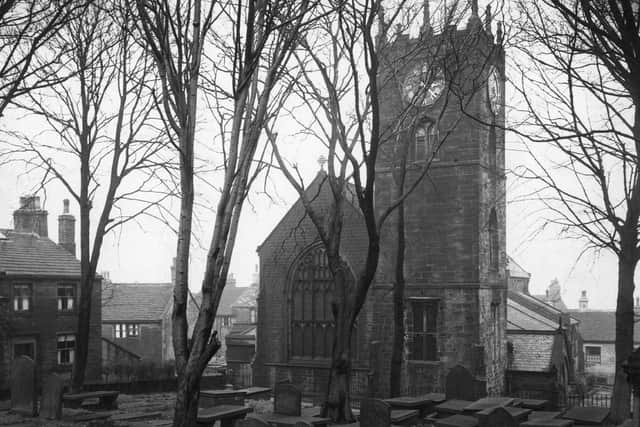
These conditions contributed to an average life expectancy of 25.8 years and 41.6 per cent of the village’s residents dying before the age of six.
The report was presented to the General Board of Health and prompted work to improve conditions in the village.
Throughout the late 1800s, Patrick’s daughters Charlotte, Emily and Anne, all wrote novels and as women were unable to publish at the time, they successfully published under noms-de-plume of Currel Bell (Charlotte), Ellis Bell (Emily) and Acton Bell (Anne).
Charlotte’s books were The Professor, Jane Eyre and Shirley, Emily’s book was Wuthering Heights and Anne’s books were Agnes Grey and The Tenant of Wildfell Hall.