
2025 Budget: Rachel Reeves shakes-up UK Cash ISA allowance, limit rules - what changes mean for your savings

Most savers will now need to invest part of their ISA allowance 💡
- Chancellor Rachel Reeves unveils ISA reforms in Budget 2025, effective from April 2027
- The full £20,000 annual ISA allowance remains, but £8,000 must be invested in stocks and shares
- Cash ISA contributions for most savers drop to £12,000; over-65s keep the full £20,000 in cash
- Banks and major providers will offer online hubs to guide savers on investment choices
- The reforms aim to encourage long-term wealth building while keeping tax-free savings attractive
Savers across the UK are set for a shake-up in how they can use their Individual Savings Accounts (ISAs) after Chancellor Rachel Reeves unveiled her long-awaited Budget 2025 reforms.
The changes, designed to encourage more investment while keeping tax-free savings attractive, come into effect from April 2027 and could alter the way millions of Britons manage their money.
What are ISAs?
ISAs have long been a staple of British saving, allowing up to £20,000 per tax year to be tucked away without paying tax on interest or investment returns.
Traditionally, this allowance could be split between cash ISAs, stocks and shares ISAs, and other eligible accounts.
What’s changing?
Under the new rules - set to come into effect from April 2027 - the full £20,000 annual allowance remains, but £8,000 of this must now be invested in stocks and shares.
That means the maximum cash ISA contribution for most savers will drop to £12,000 a year, unless you are over 65, in which case you can still use the full £20,000 in cash.
The proposed reform does not imply the Government or financial providers will automatically pull funds out of your cash ISA and buy stocks or funds on your behalf. It simply limits how much you can allocate to cash vs investments
The move is part of a broader strategy to nudge savers towards investing in the UK economy.
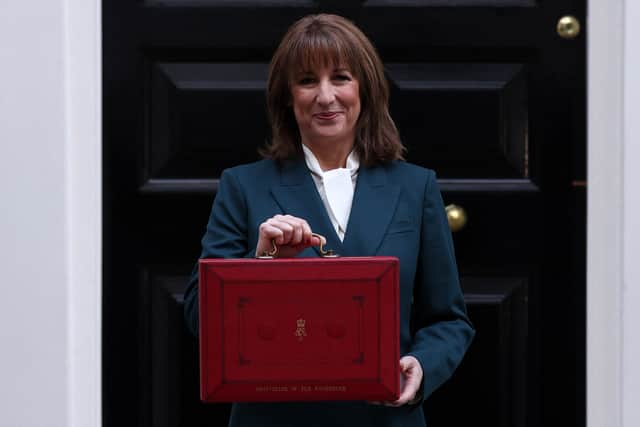
Making her Budget announcements, Reeves told MPs: “From April 2027, I will reform our ISA system, keeping the full £20,000 allowance while designating £8,000 of it exclusively for investment, with over-65s retaining the full cash allowance.”
The Chancellor also emphasised the role of better guidance and advice, saying banks will be able to help savers make more informed choices for their money.
What will it mean for you?
The reforms could have significant implications for everyday savers. For those used to stashing their full ISA allowance in cash, the new cap may feel restrictive, but the Government hopes the changes will encourage long-term wealth building.
Stocks and shares ISAs typically offer higher potential returns than cash ISAs, albeit with greater risk.
By allocating £8,000 specifically to investments, savers will need to consider how comfortable they are with market fluctuations and how best to balance risk and reward.

Major financial providers, including Hargreaves Lansdown, HSBC, Lloyds, Vanguard, and Barclays, have already signed up to launch new online hubs to help people navigate the changes.
These hubs are intended to make investing more accessible, offering tools, guidance, and advice for those new to the market. The aim is to ensure savers can take full advantage of the £20,000 allowance while making smart investment choices.